

By Justin Mercer, Cammihouse Technical Team | Container Structural Engineer
Cutting windows into a shipping container is one of the most structurally sensitive steps in converting a steel box into a livable home. Done correctly, it preserves the load path and meets residential code. Done wrong, it weakens the structure before interior work even begins. Here’s a streamlined, factory-informed guide covering layout, cutting, reinforcement, and finishing.
1. Understand the Load Path
Container strength comes from corner posts, top rails, and corrugated side panels acting together. Cutting into the wall removes part of that system. Avoid placing windows too close to corner posts; keep at least 300 mm distance. Mid-span openings on the long wall are typically safest. As a rule, large openings without reinforcement can cause deformation under load.
2. Choose the Right Cutting Tools
For 2–3 mm steel walls, a plasma cutter (40–50 A) is the most efficient option, producing clean cuts with minimal heat distortion. Angle grinders can work for smaller openings but require more finishing. Avoid oxyacetylene torches, as excessive heat weakens the steel and damages coatings.
Basic tools: plasma cutter or grinder, chalk line, square, clamps, safety gear.
3. Mark and Measure Precisely
Accurate layout prevents costly rework. Mark the opening using a chalk line and confirm diagonals are equal to ensure a true rectangle. Add about 25 mm clearance on each side beyond the window size for fitting and leveling.
Also account for the steel frame (header and sill) that will be installed later. This typically reduces the clear opening height by 50–75 mm, so plan your cut size accordingly.
4. Install Structural Reinforcement
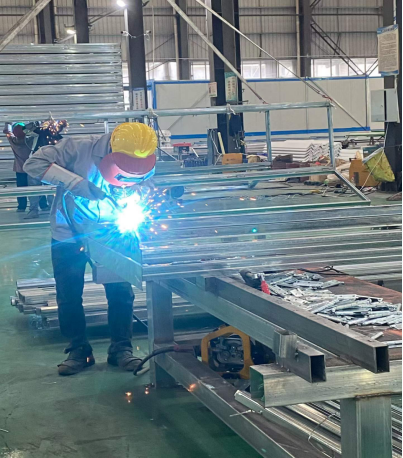
Every opening must include a welded steel header above and a sill plate below. These redistribute loads around the cut-out.
· Up to 900 mm width: 50 × 50 × 4 mm RHS
· 900–1500 mm: 75 × 50 × 5 mm RHS
· Larger openings: engineer design required
Use full welds at connection points. Weak or incomplete welding is one of the most common failure causes in container conversions.
5. Protect Cut Edges
Cutting exposes raw steel that can rust quickly. Apply a zinc-rich primer soon after cutting, followed by a protective topcoat. This prevents corrosion and extends the lifespan of the structure.
Seal the joint between the frame and wall with polyurethane sealant to stop water intrusion, especially along corrugated edges.
6. Install the Window Unit
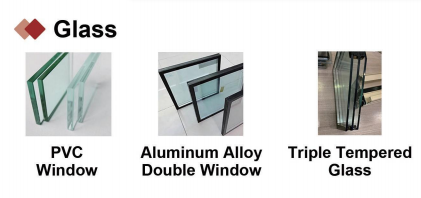
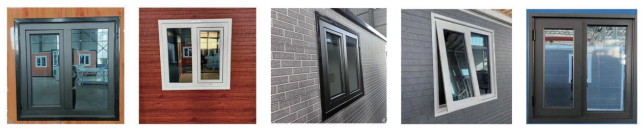
Thermal performance matters because steel conducts heat rapidly. Double-glazed windows with insulated frames (uPVC or thermally broken aluminum) improve comfort and reduce energy use.
· Fixed windows: lower cost, fewer maintenance issues
· Operable windows: better ventilation for residential use
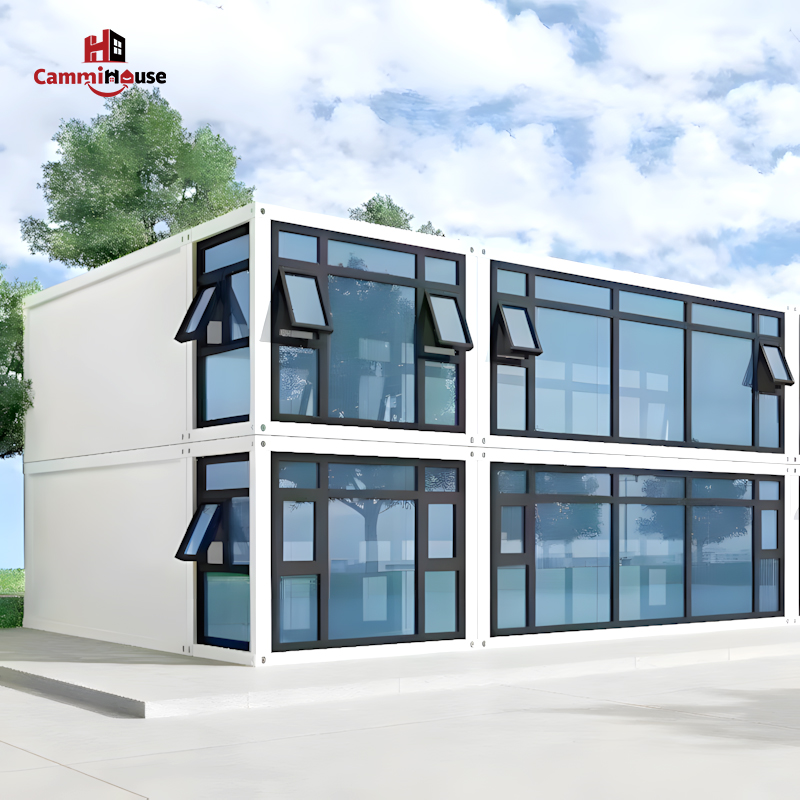
In hot climates, awning-style windows help reduce solar heat gain while allowing airflow.
7. Add Insulation Around the Opening
The steel frame around the window creates a thermal bridge. To reduce heat transfer, install rigid insulation (such as PIR board) around the interior frame and overlap it with wall insulation.
Maintain vapor barrier continuity by sealing membrane edges to the window frame. Poor sealing can lead to moisture buildup and mold over time.
8. Finish and Test
Install interior and exterior trims using moisture-resistant materials like metal or aluminum-backed systems. Avoid placing untreated wood directly against steel.
Before finishing, perform a water test by spraying the window perimeter for at least 15 minutes and checking for leaks. This ensures the installation is sealed properly.
FAQ
Q1: How large can a window opening be?
Up to about 1500 mm wide with proper reinforcement. Larger openings require engineered support.
Q2: Does cutting a window affect certification?
Yes. Structural modification voids shipping certification, but this is not relevant for residential use.
Q3: What window type works best in hot climates?
Awning windows with double glazing and insulated frames perform well, balancing ventilation and heat control.
Justin Mercer
Structural Engineer, Cammihouse Technical Team
10+ years in modular and container housing design
