

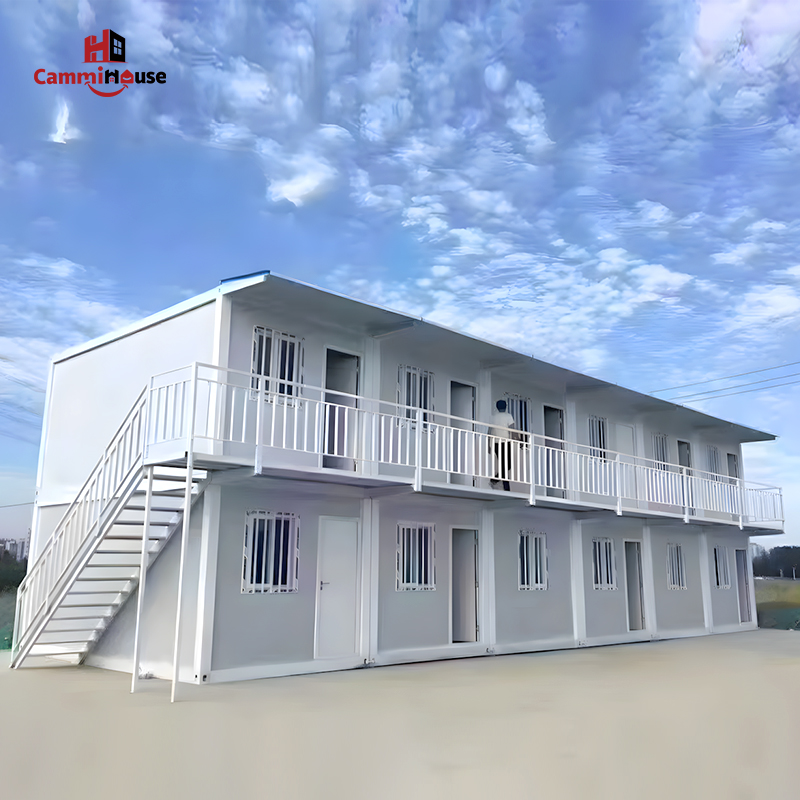
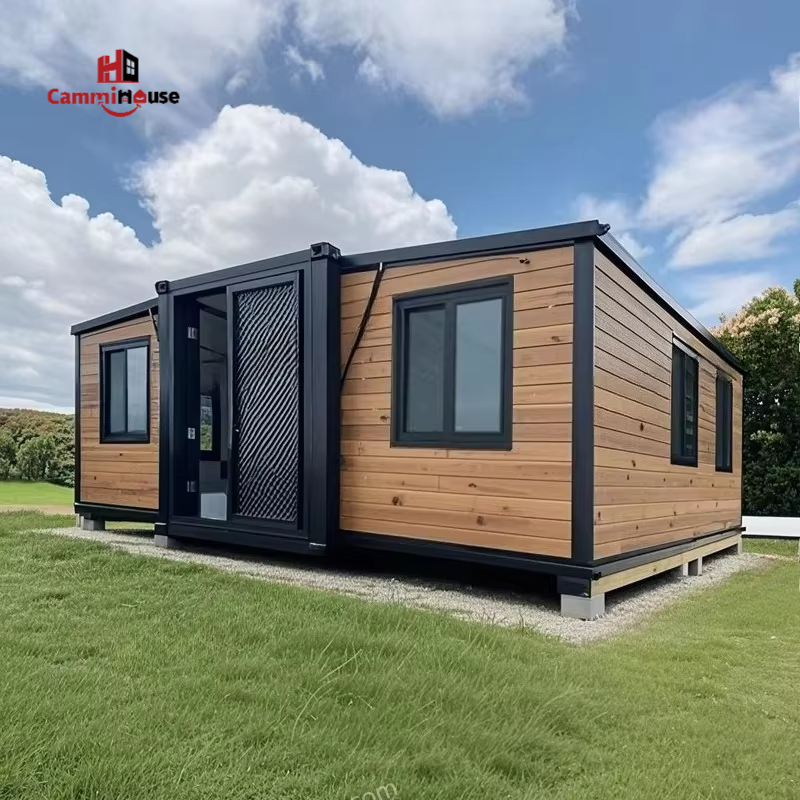
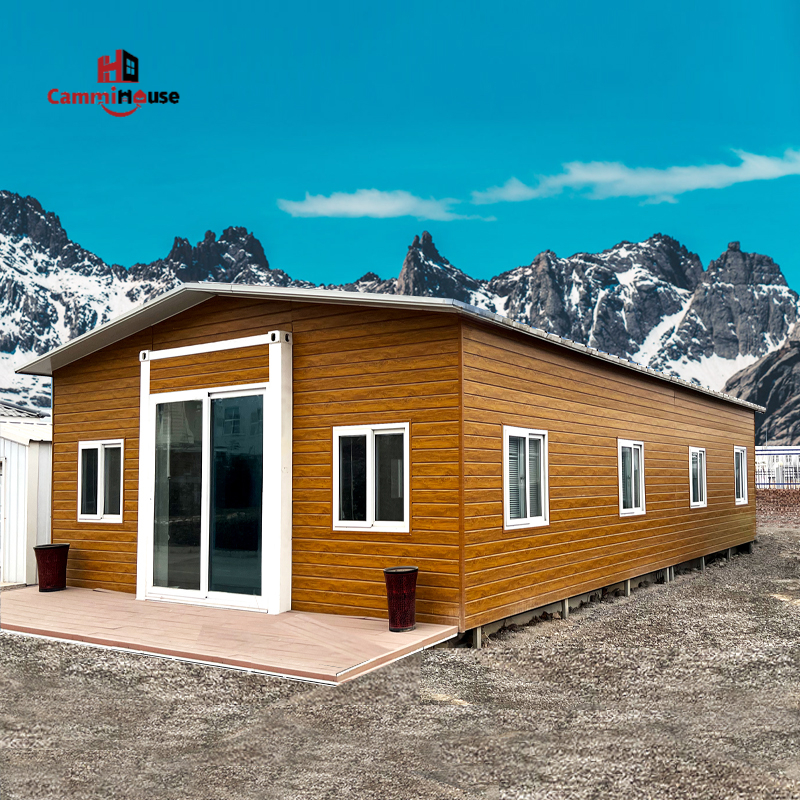
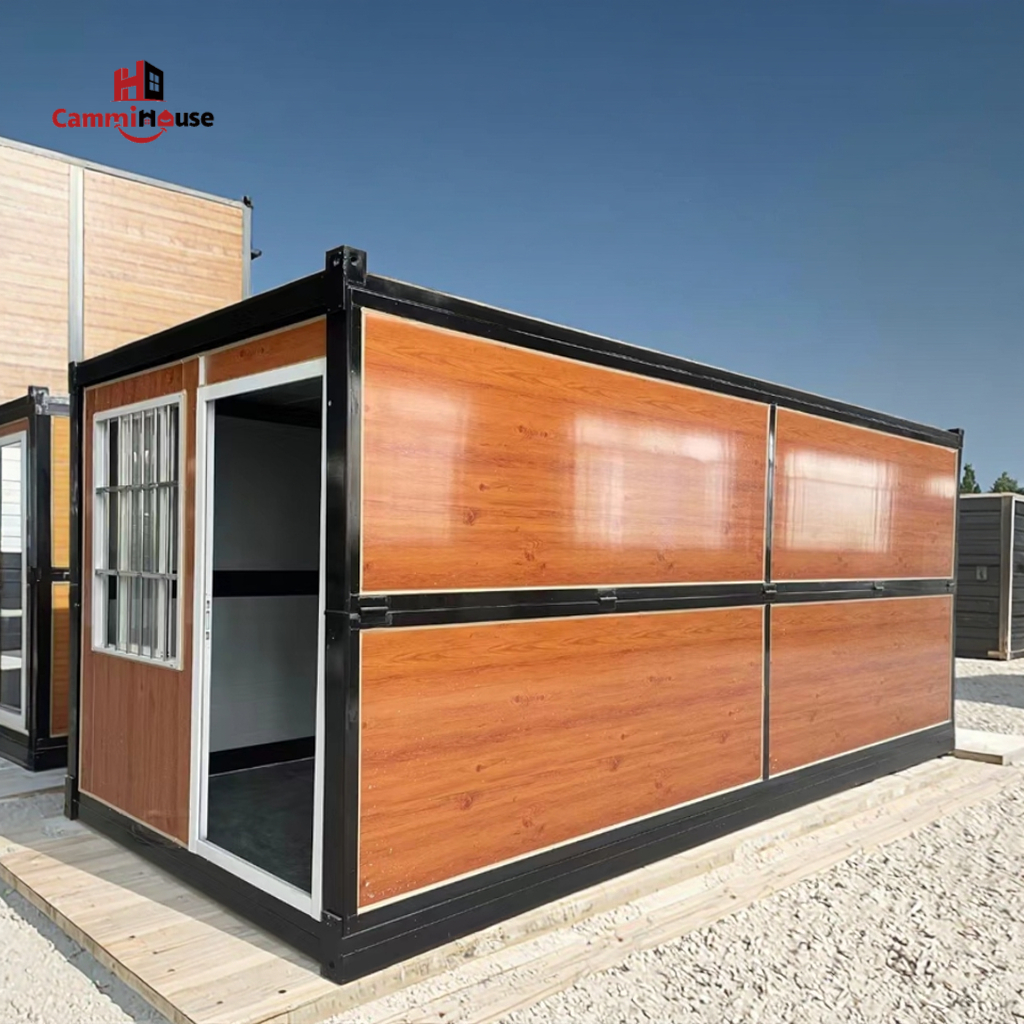
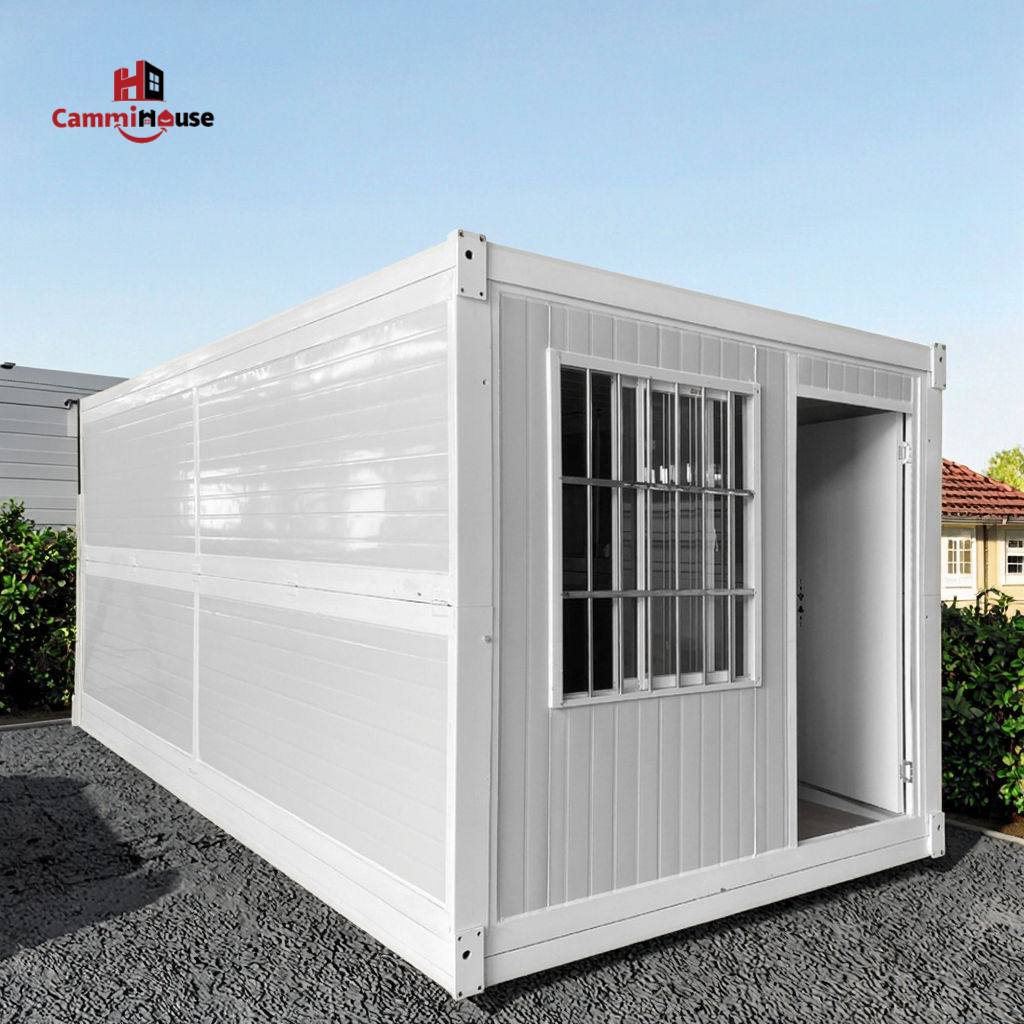
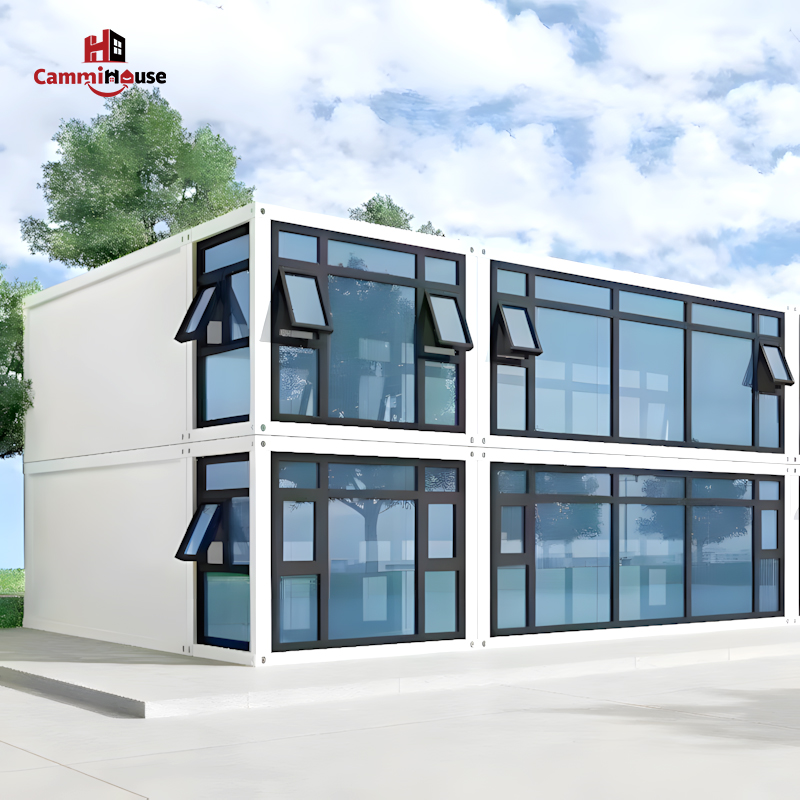
Detachable container houses are shipped in a collapsed, flat-pack form that dramatically reduces freight volume. Unlike fixed steel structures, these modular units fold down into stacked panels that fit inside standard 20-ft or 40-ft shipping containers. The result is faster delivery, lower freight costs, and simpler logistics—whether the destination is downtown or a remote off-grid site.
What Is a Detachable Container House?
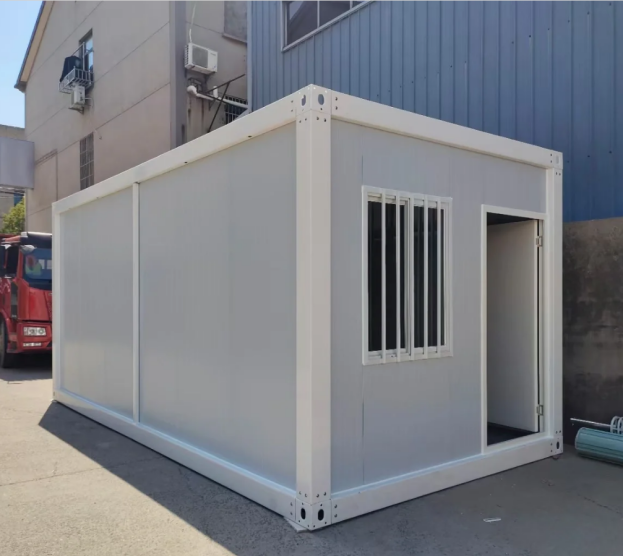
A detachable container house—also called a flat-pack container home or collapsible modular unit—is a prefabricated structure whose walls, roof, and floor are engineered to disconnect and stack flat. Each panel is manufactured to ISO freight dimensions so it travels inside a standard shipping container. This compatibility with the global freight network makes worldwide delivery practical for individual buyers and large-scale project developers alike.
Key Structural Features That Enable Portability
Three components make these homes portable: steel corner connectors, tongue-and-groove panel joints, and pre-drilled bolt channels. Corner connectors interlock wall panels to the base frame without welding. Tongue-and-groove joints align panels precisely and form a weatherproof seal once assembled. Bolt channels let crews fasten or release every joint with standard hand tools—no crane or specialist labor needed.
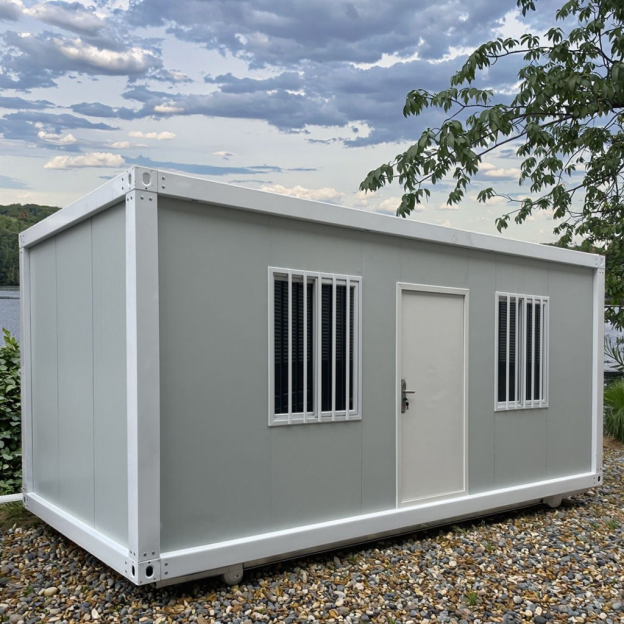
How Flat-Pack Design Reduces Shipping Volume
Shipping volume is the primary cost driver in international freight. A built-up container home occupies its full footprint during transit. A flat-pack portable container house, by contrast, collapses so that 4–6 complete units fit inside a single 40-ft shipping container. According to industry benchmarks from the Container Homes Association (2023), this volume reduction cuts per-unit sea freight costs by up to 70% compared to transporting a fully assembled structure.
Space Savings in Practice
A standard 20 m² Cammihouse detachable unit collapses to a stack roughly 30 cm thick. That means a 40-ft ocean freight container can carry four complete homes—walls, roof panels, floor deck, and all hardware included. For a buyer ordering a 3-unit holiday camp or a construction-site accommodation cluster, this reduces four separate shipments to one, cutting both cost and delivery time significantly.
Step-by-Step: The Transportation Process
Moving a prefab container home from factory to final destination follows a clear, repeatable workflow. Each stage protects panel integrity and keeps delivery timelines predictable, whether the order is a single unit or a 20-home village project.
Pre-Shipment Preparation and Quality Checks
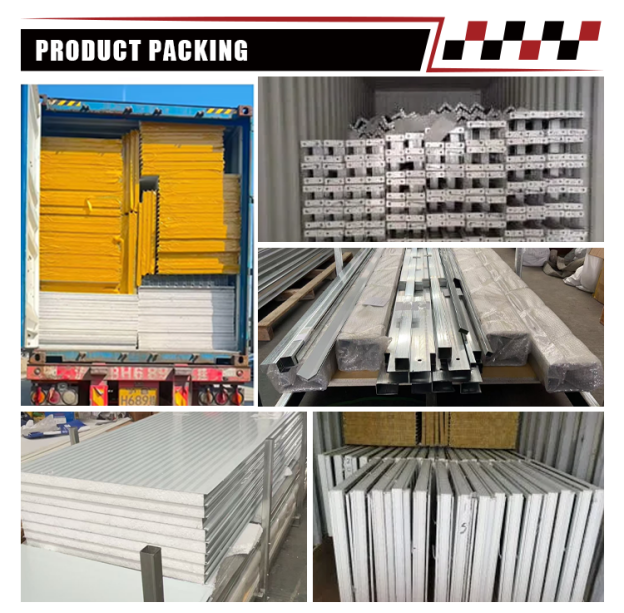
Before loading, each panel undergoes a surface inspection for coating adhesion, structural checks on corner fittings, and a hardware audit to confirm bolts, seals, and conduit caps are complete. Panels are wrapped in moisture-resistant film and placed on timber dunnage to prevent abrasion in transit. A full packing list and step-by-step assembly manual are attached inside the crate before sealing.
Loading, Securing, and Carrier Selection
Panels are loaded horizontally and secured with ratchet straps rated for both road vibration and ocean swell. For sea freight, the packed container is sealed and assigned a bill of lading. For domestic road delivery, panels travel on flatbed trailers with side curtains. Cammihouse works with freight forwarders who handle customs documentation for shipments to North America, Europe, and Australia, reducing the compliance burden on buyers.
Shipping Methods for Container Homes
The right transport mode depends on delivery distance, site access, and project timeline. Detachable container houses are compatible with every major freight channel, which is one reason they are used in remote mining camps, island resorts, and urban infill developments on the same product line.
International Ocean Freight
Ocean freight is the standard route for cross-continental orders. A full-container load (FCL) shipment of flat-packed homes from a Chinese manufacturing hub to the US West Coast typically takes 18–22 transit days (Freightos Baltic Index, Q1 2024). Less-than-container load (LCL) is available for single-unit orders but adds 7–10 days for cargo consolidation. Most buyers ordering two or more units choose FCL to optimize speed and per-unit cost.
Domestic Road and Last-Mile Delivery
For in-country delivery, flatbed trucks handle most last-mile logistics efficiently. Road transport suits sites reachable by paved or compacted-gravel roads. For remote builds—mining camps, off-grid cabins, or island resorts—Cammihouse coordinates with logistics partners to arrange crane-assisted offloading and, where necessary, barge or ATV-trailer transport for the final leg to the build pad.
On-Site Assembly After Delivery
The same modular design that makes transport efficient also makes assembly fast. No concrete pour, no heavy crane rental, and no specialist subcontractor license is required for a standard residential unit. The build sequence is documented with numbered steps, matching the numbered panels packed in the shipment.
Assembly Time and Labor Requirements
A two-person crew can assemble a standard 20 m² Cammihouse unit in 4–8 hours using basic hand tools. A 40 m² two-room layout typically takes one full working day for a four-person team. Buyers in rural Australia and remote Canada have reported successful owner-builds using the included manual and online video guides, with no prior construction experience required.
FAQ
Q: Can a detachable container house be transported to a remote location without road access?
A: Yes. Because flat-packed panels break into individual pieces weighing 80–150 kg each, they can be moved by ATV trailer, boat, or carried manually to difficult sites. For extreme locations, helicopter sling delivery is also feasible. Cammihouse can provide exact panel weights and dimensions before purchase so you can plan the right delivery method for your specific site conditions.
Q: How many times can a detachable container house be dismantled and relocated?
A: Most flat-pack container homes support 5–10 full disassembly cycles without compromising structural performance, provided corner connectors and panel joints are not damaged during each move. Cammihouse units use Grade-8 galvanized steel hardware rated for repeated use. Inspecting joint seals after each relocation is recommended to maintain weatherproofing performance over the structure's lifespan.
Q: Does shipping a flat-pack container house require a special customs classification?
A: In most markets, flat-packed prefab building components are classified under HS Code 9406 (prefabricated buildings) or 7308 (structural steel), which determines applicable import duties. Classification can affect landed cost by 5–15%. Cammihouse provides a commercial invoice and packing list formatted to the destination country's customs requirements, and can connect buyers with a licensed customs broker for complex import markets.