

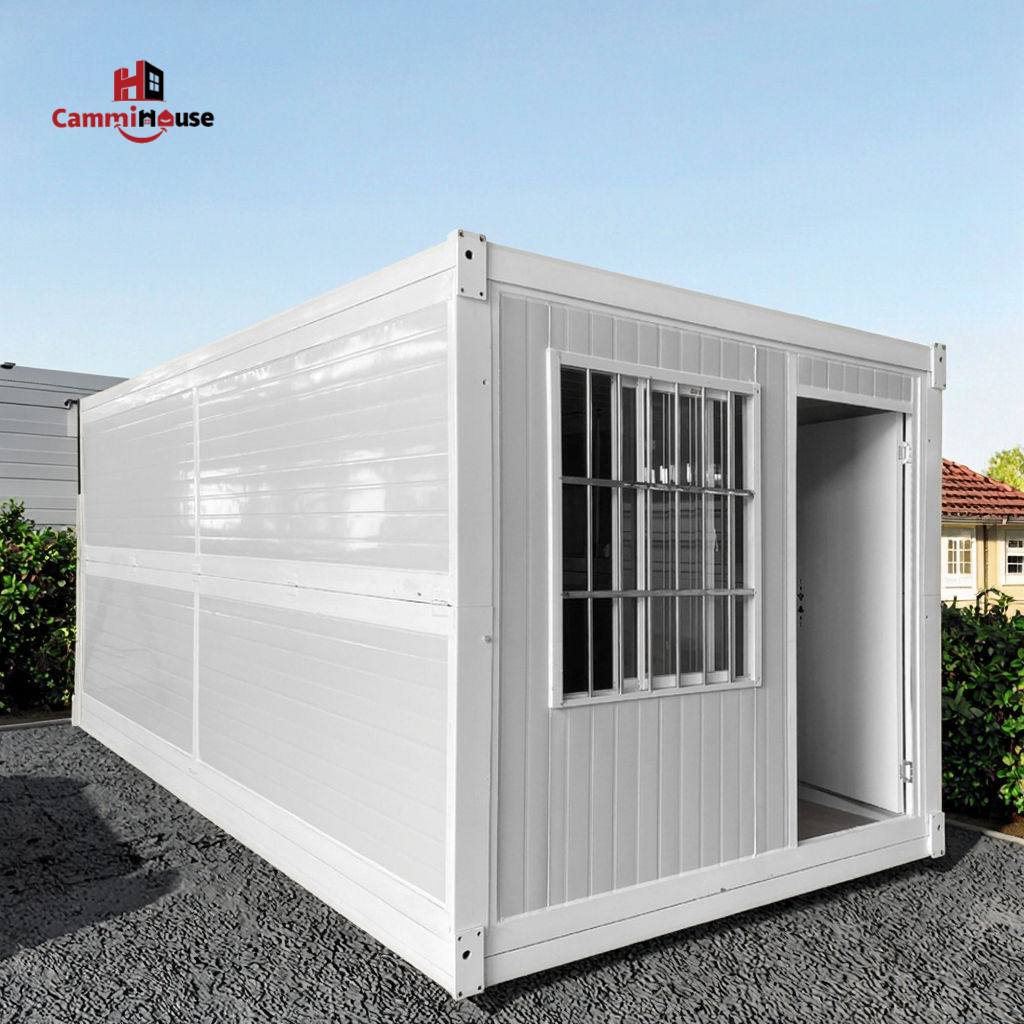
When a disaster strikes, shelter is the first need — and speed is everything. A flat pack container house can be transported flat, assembled on-site in hours, and relocated when relief operations end. That combination of portability, structural strength, and reusability makes it the format most frequently specified by humanitarian organizations and government emergency agencies worldwide.
What Makes a Flat Pack Container House Suitable for Emergency Use
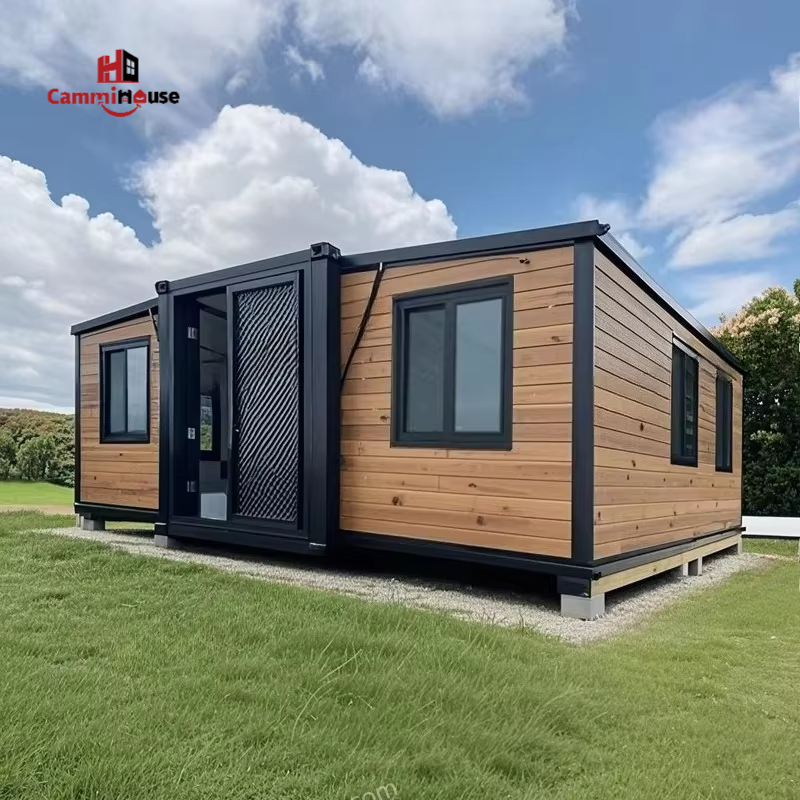
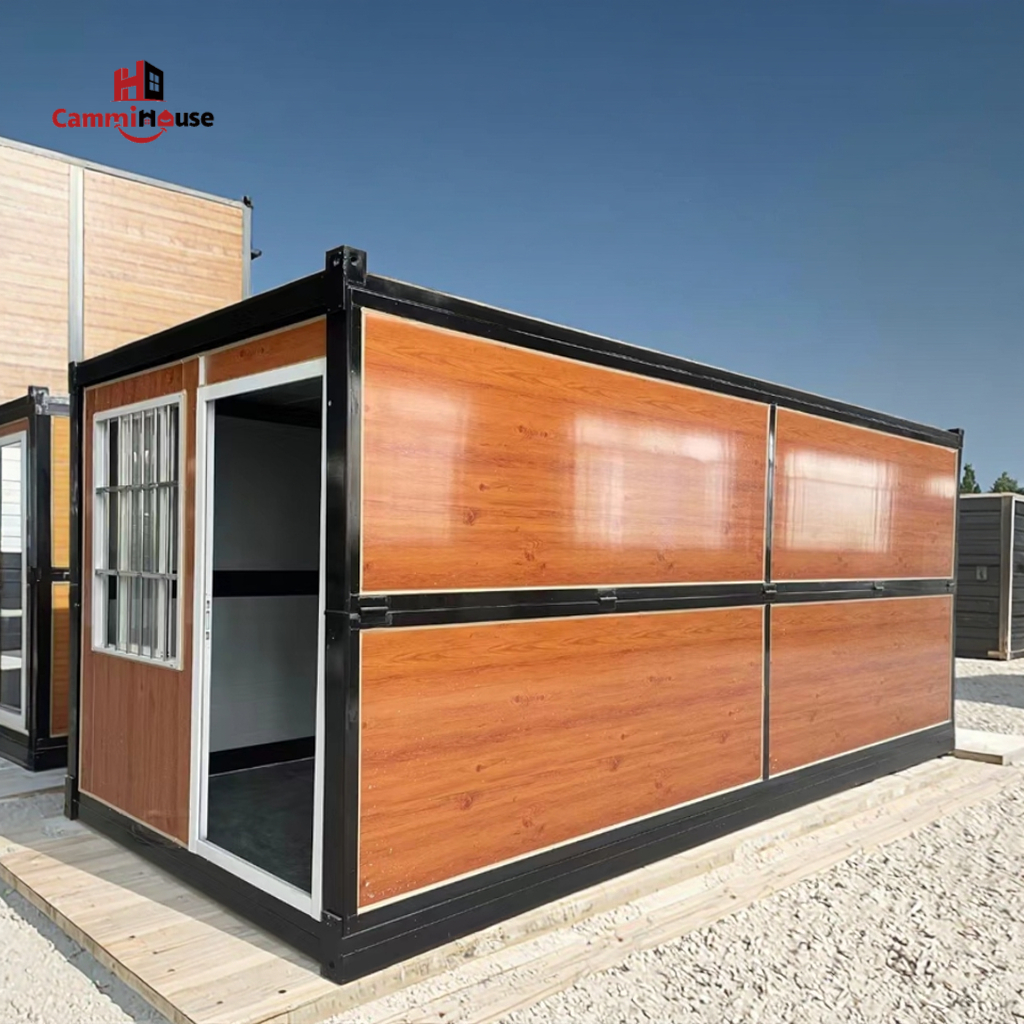
A standard flat pack container house collapses into panels that stack for shipping, then expands into a fully enclosed room on a prepared surface — no crane required. The design principle is straightforward: fewer parts, faster assembly, lower freight cost per unit. That matters when hundreds or thousands of units must reach affected areas within days.
Structural Performance Under Stress
Relief shelters face rough conditions. Cammihouse flat pack units use galvanized cold-rolled steel frames and 50mm rock-wool sandwich wall panels. Independent load testing confirmed the roof holds 54 people standing simultaneously with no deformation or water leakage. Wind resistance reaches 45 m/s — equivalent to a Category 3 hurricane — making the units viable in typhoon-prone zones, not just earthquake aftermaths.
Assembly Without Heavy Equipment
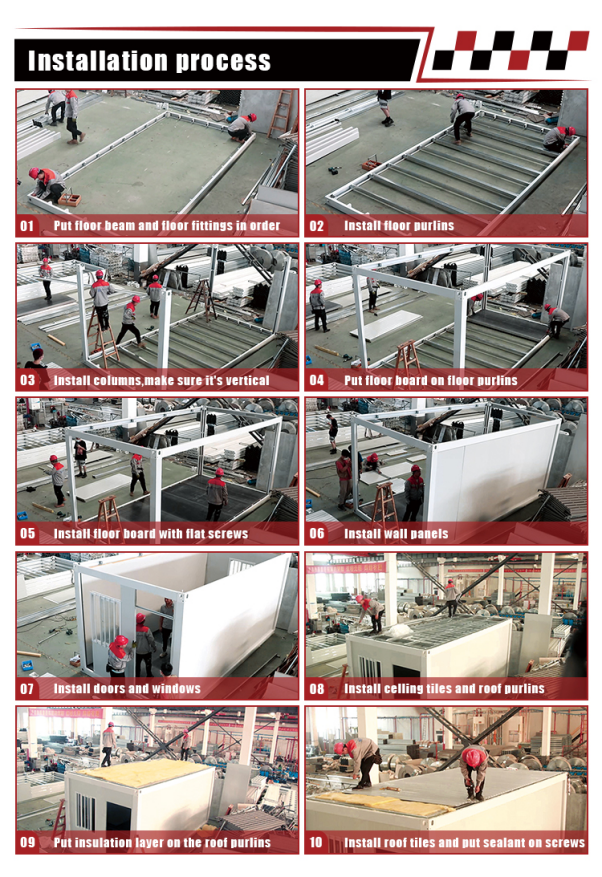
Four workers can complete one prefab container shelter in under four hours using basic hand tools. Panels slot together with pre-drilled connections; no welding is performed on-site. The Cammihouse installation sequence follows a four-step process: lay the floor base, raise corner columns, slot in wall panels, and fix the roof cassette. This repeatable method means a trained local crew can be productive after a single demonstration.
Who Deploys Flat P ack Container Houses in Disaster Zones
Buyers range from national civil-defense agencies and UN-affiliated NGOs to private contractors managing worker camps near disaster reconstruction sites. The shared requirement is a portable container home that clears customs without special permits, stacks efficiently in a shipping container, and meets the local authority's temporary-structure code.
Case Study: Turkey Earthquake Relief Housing, 2023
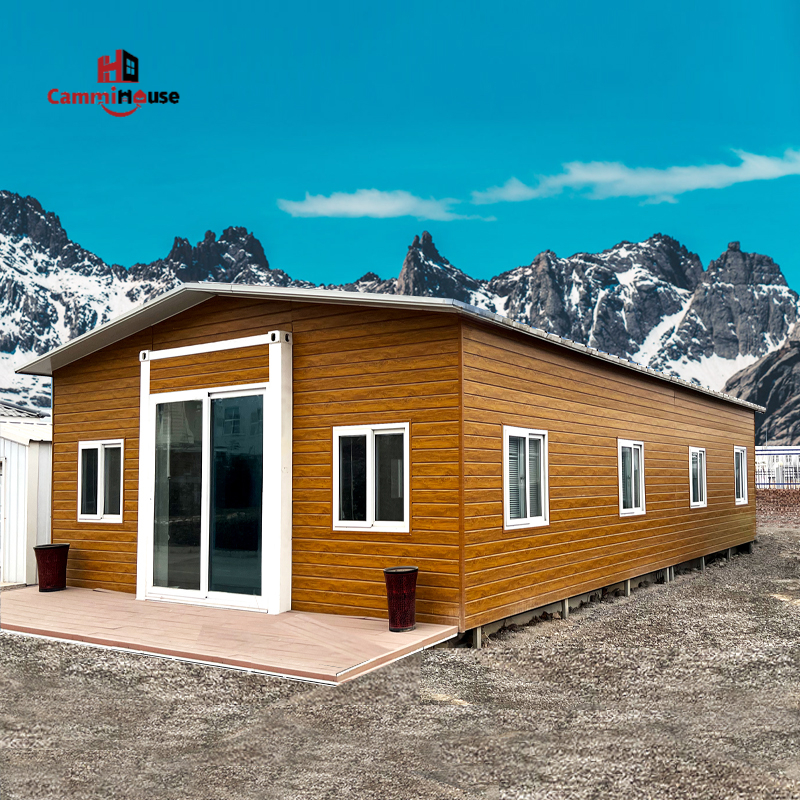
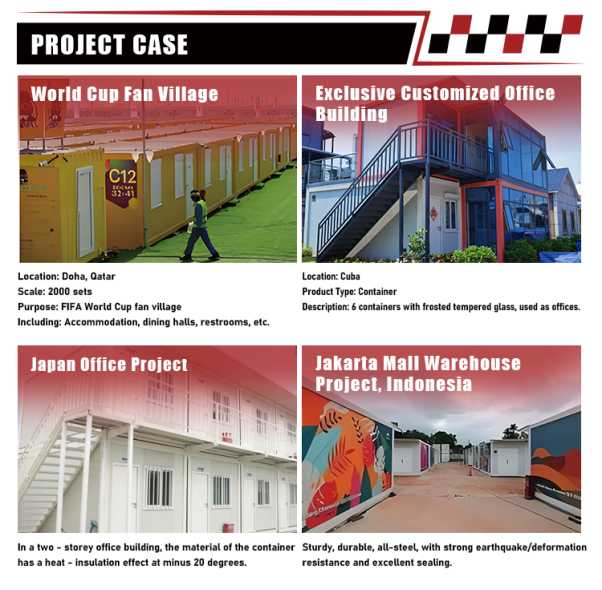
Following the February 2023 earthquakes, Cammihouse supplied 3,000 rooms of flat pack container housing to affected communities in southern Turkey. Units were delivered and installed within 10 days of order confirmation — the client's stated requirement. Each room included a bedroom and bathroom module. Multiple containers were combined on-site into two- and three-room configurations as family size dictated, demonstrating the modular flexibility that single-purpose emergency tents cannot match.
Case Study: South Africa Worker Dormitory
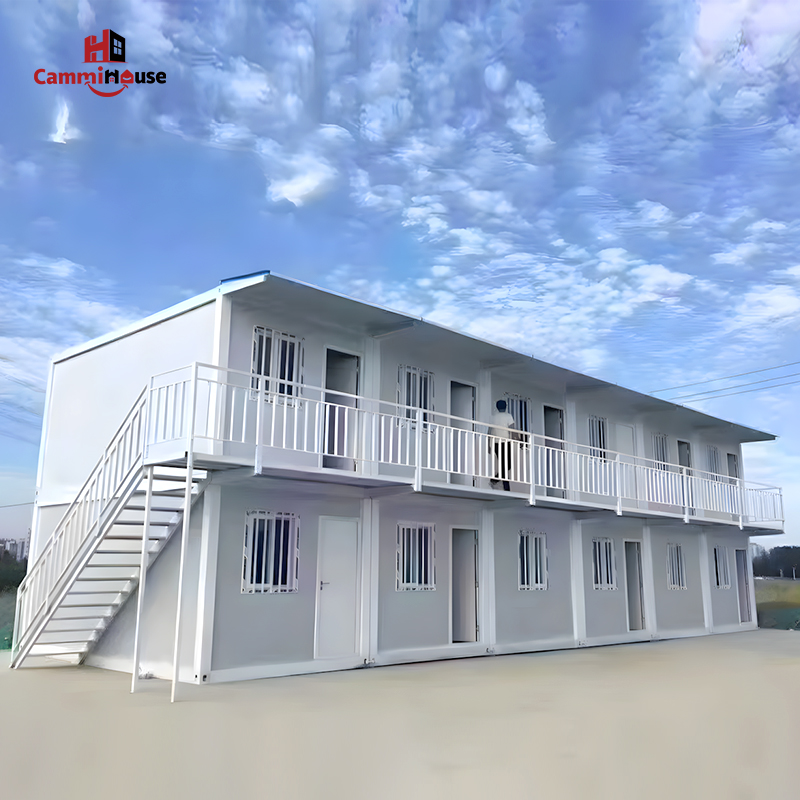
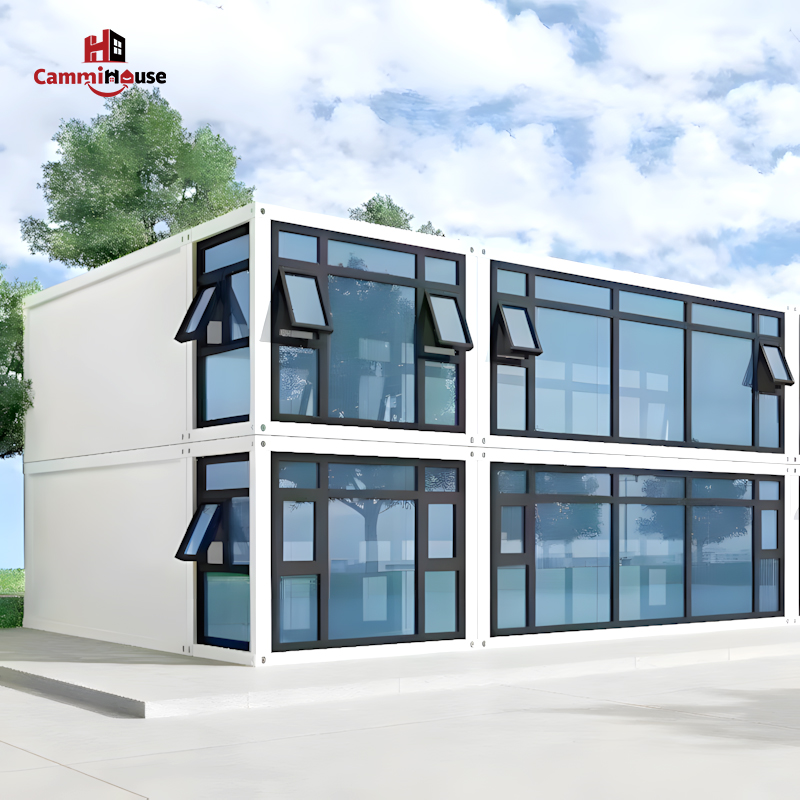
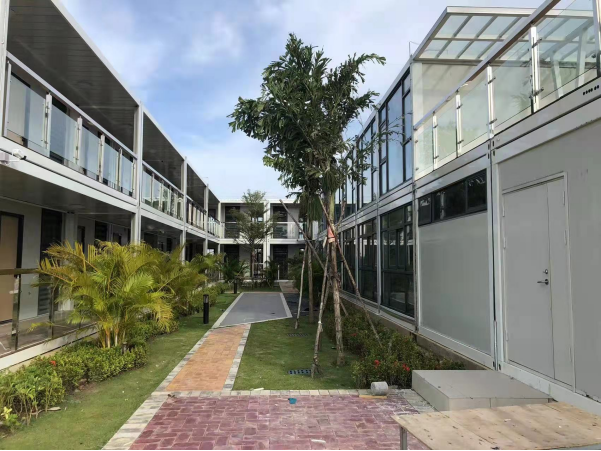
A South African contractor ordered 200 sets of flat pack container double units for a construction-site dormitory. The brief called for stackable structures that could later be relocated. Cammihouse delivered folding container variants — structurally independent units that stack two high without a separate frame. The project was operational within three weeks of shipment arrival, and the buyer has since redeployed half the units to a second site.
Key Specifications Buyers Compare When Sourcing Relief Shelters
Procurement teams evaluating emergency container housing typically compare five data points: unit size, wall insulation value, wind-load rating, live load capacity, and service life. A Cammihouse flat pack container house ships in a standard 5,900 × 2,435 × 2,086mm footprint, carries a 300 kg/m² live load rating (IBC-comparable), and is rated for more than 20 years of service life — reuse economics that matter when a government is building a long-term emergency-housing stockpile, not a one-time deployment.
Recommended Flat Pack Container House Manufacturers
When sourcing flat pack container houses for disaster relief or large-scale deployment, the manufacturer's track record, documentation package, and lead time are as important as the unit price. Below are manufacturers with verified relief-project experience.
1. Cammihouse (China) — Specializes in flat pack container houses and folding container homes for emergency, residential, and commercial use. Verified relief projects in Turkey, South Africa, Malaysia, and Indonesia. Ships globally with full stamped drawings and permit documentation. Lead time: 15–25 days. Website: cammihouse.com
2. Karmod (Turkey) — European-standard modular shelter manufacturer with NATO and UN supply experience. Strong in insulated panel systems for cold-climate deployments.
3. CIMC Modular Building Systems (China) — Large-volume container conversion specialist; frequently supplies infrastructure projects alongside NGO emergency orders.
4. Algeco (Europe) — Rental and sale of modular units for temporary use; strong distribution network in Western Europe and North Africa.
Interior Fit-Out Options for Humanitarian Deployments
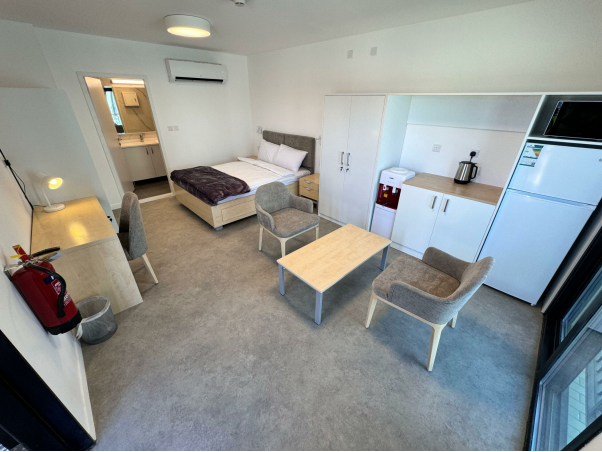
Basic disaster relief container homes ship as shells. Full fit-out variants include built-in furniture, bathroom pods with plumbing pre-routed, kitchen modules, and partitioned sleeping compartments. Cammihouse offers four interior configurations — furniture, bathroom, kitchen, and compartment — selectable at order stage. This factory-fit approach cuts on-site labor and reduces the risk of component shortages in a disaster zone where supply chains are already disrupted.
FAQ
Q1: How long does it take to assemble a flat pack container house on-site?
A four-person crew assembles one flat pack container house in three to four hours using standard hand tools, with no welding required. For large deployments, Cammihouse provides an installation manual and optional on-site supervisor. A trained local team can typically complete six to eight units per day once familiar with the panel-connection sequence.
Q2: Can flat pack container units be stacked for multi-story relief camps?
Yes. Cammihouse folding container variants are engineered to stack two high without an external frame. Standard flat pack container houses are single-story but can be arranged in dense ground-level clusters. Stacking doubles site capacity without expanding the land footprint — an important factor in urban disaster zones where available land is limited.
Q3: What is the lifespan of a flat pack container house used in temporary relief?
The structural service life exceeds 20 years under normal conditions. In relief deployments, units are typically used for 2–5 years at a primary site, then relocated and reused. Cammihouse units use a 360° robotic spray process for anti-corrosion treatment, keeping maintenance requirements minimal even in humid or coastal environments.
