
Introduction: Container Homes and Traditional Homes Serve Different Needs
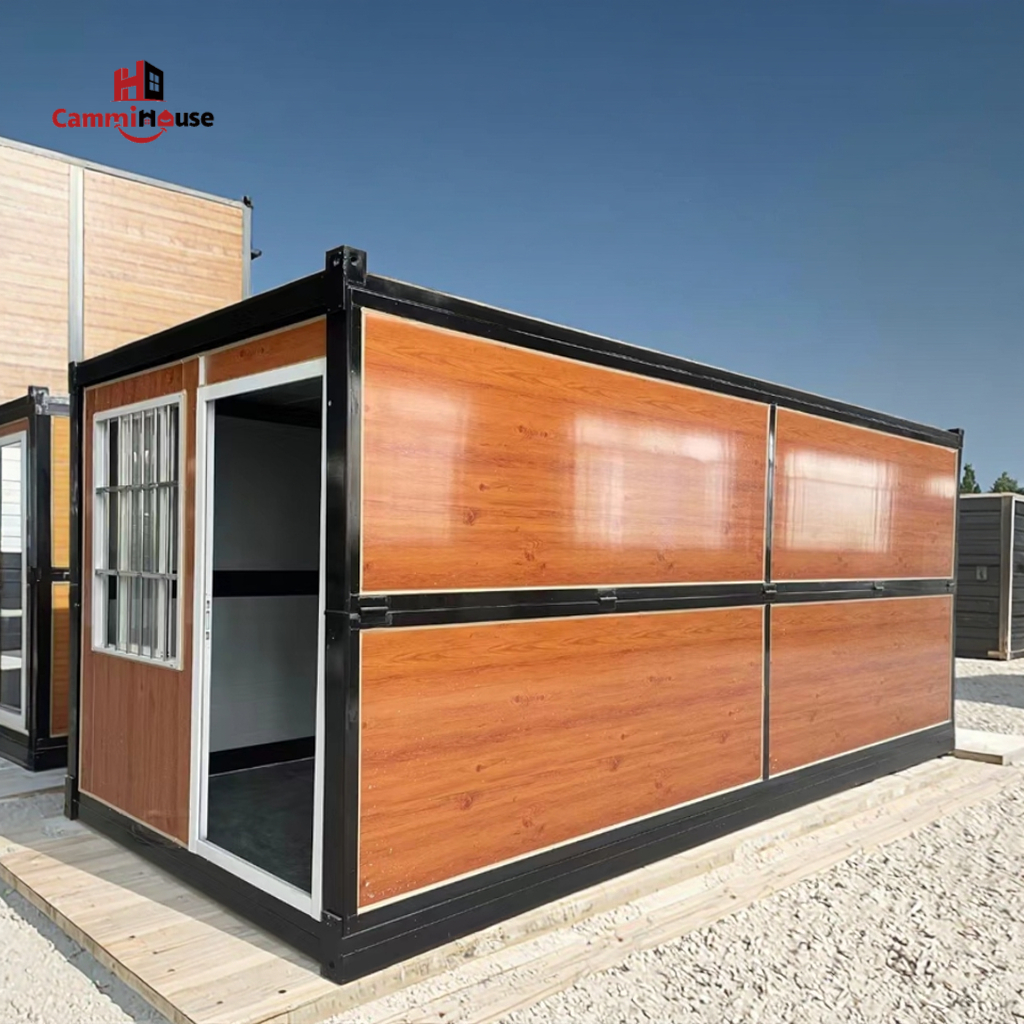
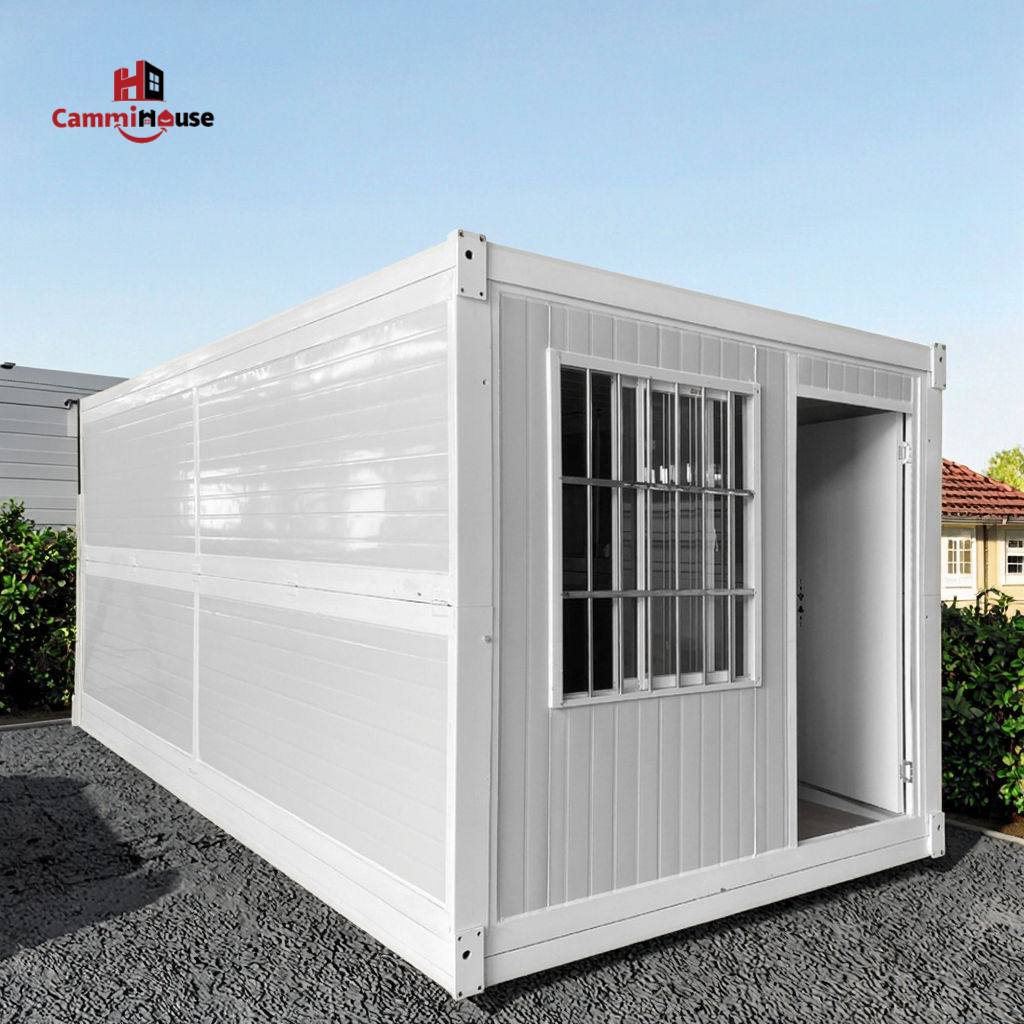
Container homes and traditional homes are often compared because they represent two very different approaches to residential construction. Container homes focus on modular construction, controlled costs, and faster delivery, while traditional homes prioritize customization through on-site building. Understanding how these models differ helps buyers evaluate cost, timeline, performance, and long-term suitability before making a decision.
Cost Structure and Budget Predictability
Upfront Construction Costs
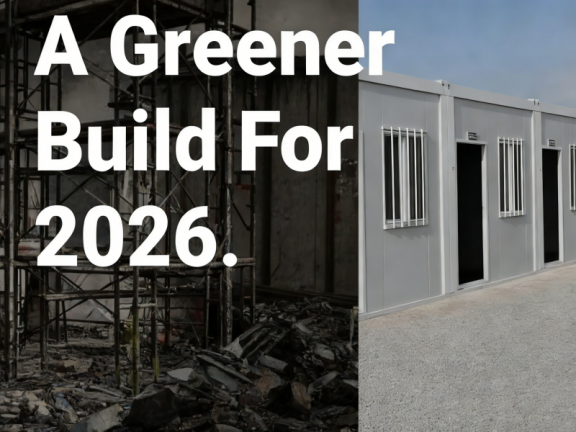
Container homes typically offer clearer upfront pricing than traditional homes. Factory-built container houses are produced under standardized processes, which reduces material waste and labor variability. In contrast, traditional homes often experience budget changes due to labor shortages, weather delays, or material price fluctuations. According to industry data from modular construction associations, prefabricated housing projects can reduce construction cost uncertainty by 10–20% compared to on-site builds.
Long-Term Cost Considerations
Traditional homes may carry higher lifetime maintenance costs due to roofing, exterior finishes, and foundation repairs. Container homes use steel structures that resist pests and structural degradation, which can reduce long-term upkeep. However, insulation quality and climate adaptation significantly affect operating costs for container houses, making proper system design essential.
Construction Timeline and Project Delivery
Build Speed and Installation
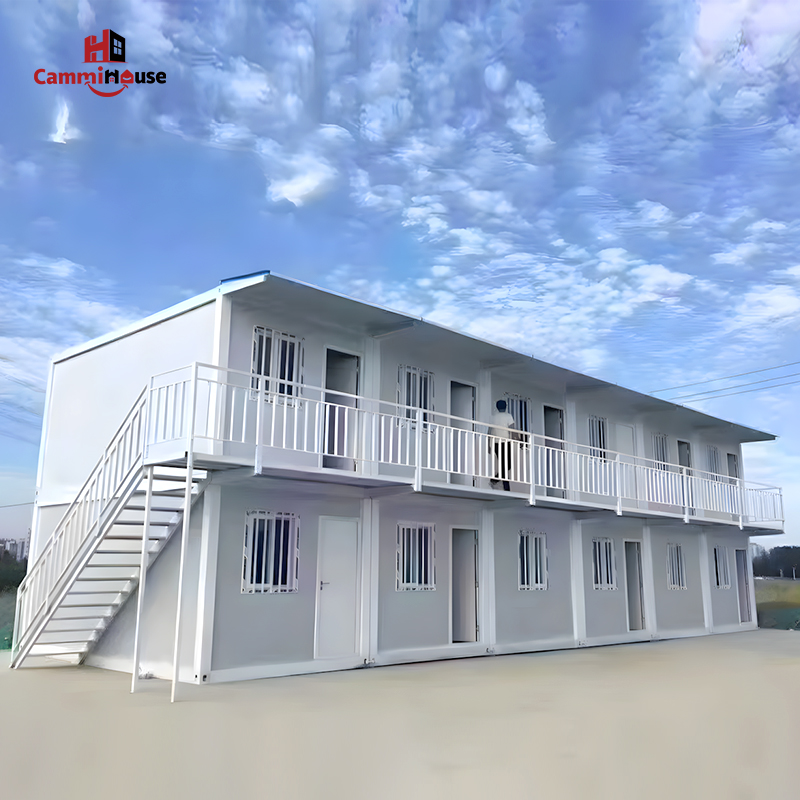
Container homes are designed for rapid deployment. Most of the structure, insulation, electrical systems, and plumbing are completed in a factory setting. On-site installation often takes weeks rather than months. Traditional homes require sequential construction phases, increasing exposure to delays. This time difference is a key reason container houses are widely used for workforce housing, rentals, and rapid residential projects.
Risk Management During Construction
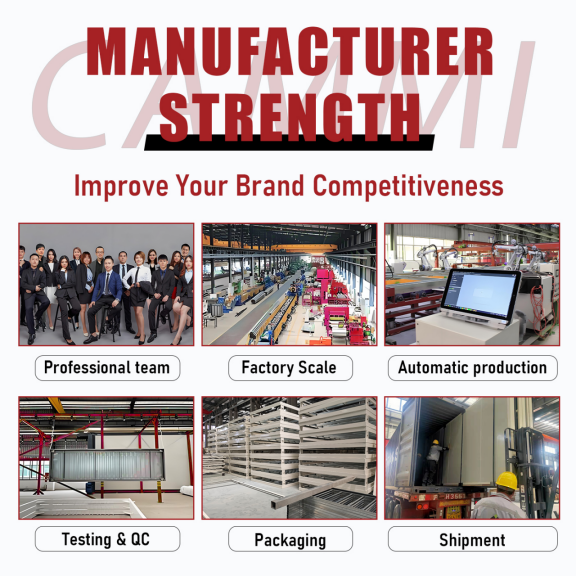
Factory-controlled production reduces weather-related delays and improves quality consistency. Traditional construction depends heavily on local labor availability and site conditions, increasing project risk. Developers working with container house suppliers like cammihouse often cite schedule predictability as a major advantage.
Design Flexibility and Customization
Layout and Structural Constraints
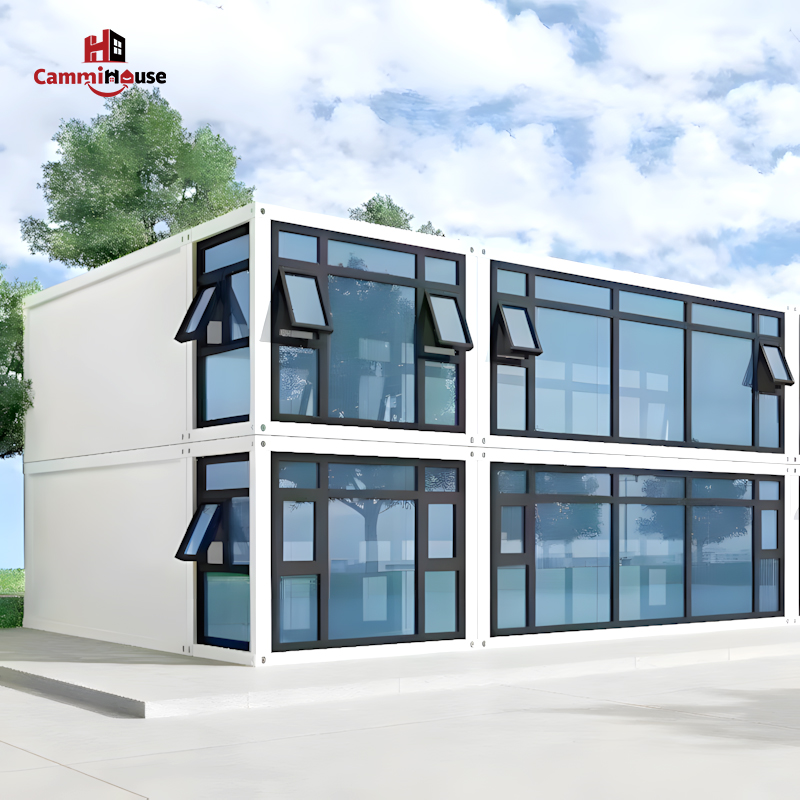
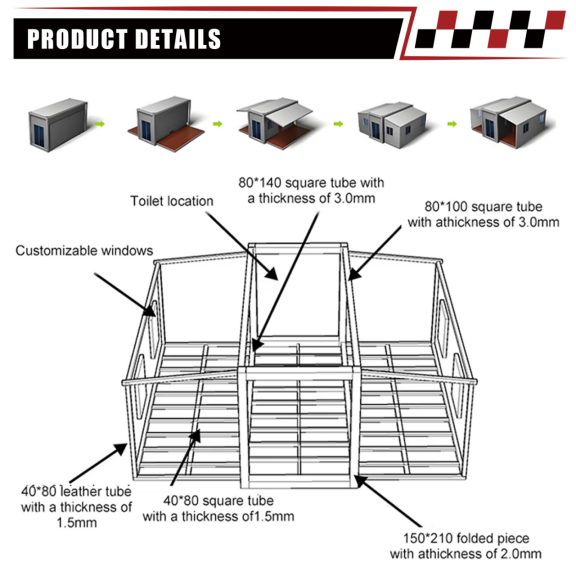
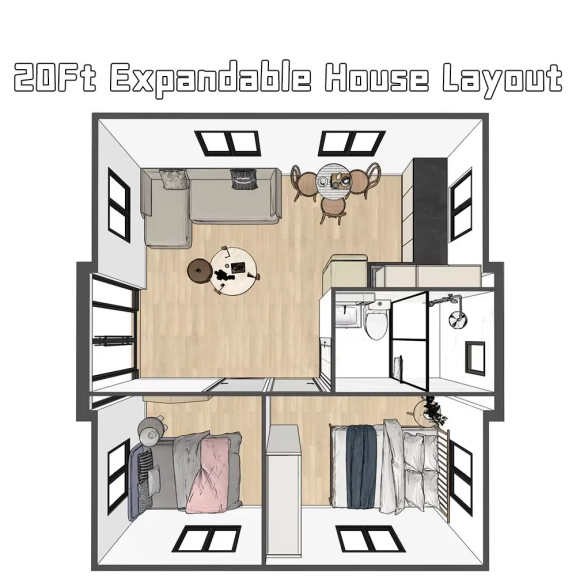
Traditional homes allow greater freedom in layout design, especially for large footprints. Container homes operate within modular dimensions, which requires thoughtful spatial planning. Modern container house systems now support multi-unit combinations, open interiors, and flexible facades, narrowing the gap with traditional housing designs.
Interior and Exterior Options
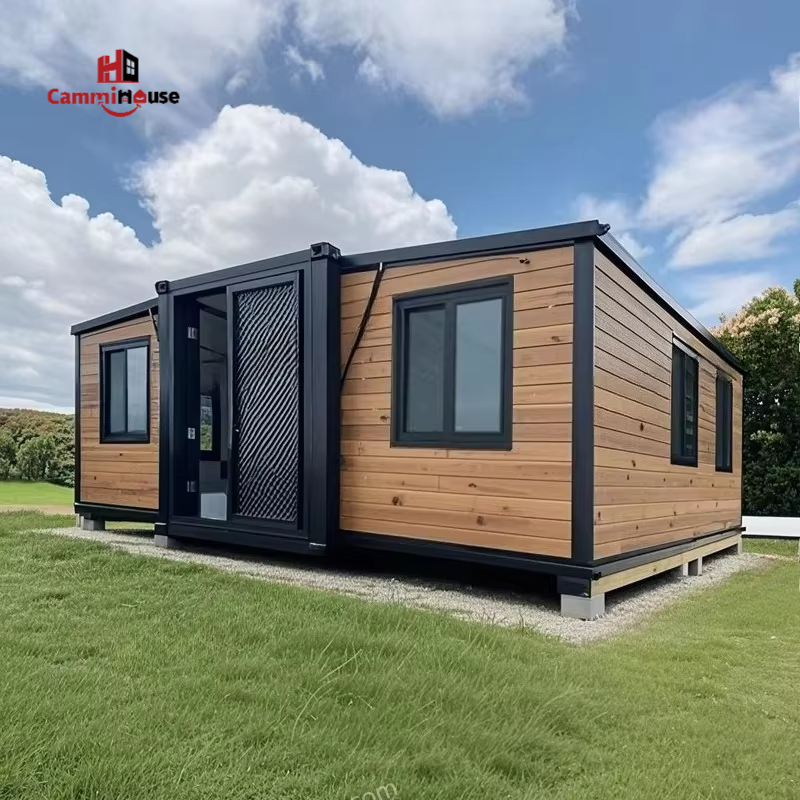
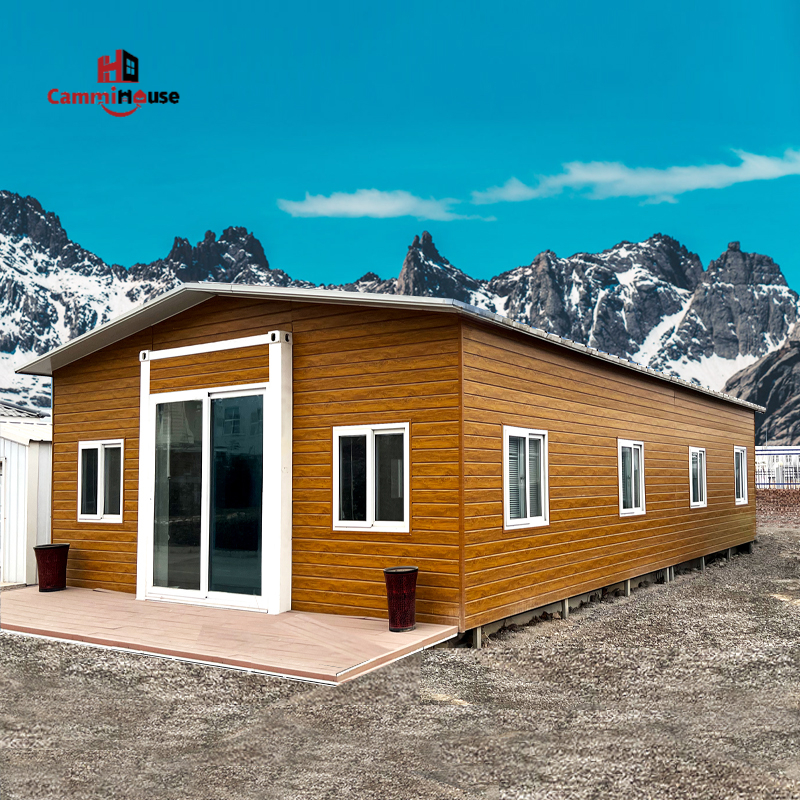
Container homes can be customized with various interior finishes, window systems, and exterior cladding. While customization is possible, it is most cost-effective when aligned with standardized modules. Traditional homes allow more bespoke architectural expression but often at higher cost and longer timelines.
Energy Efficiency and Sustainability
Material Efficiency and Waste Reduction
Container homes reuse steel structures and benefit from industrialized production, which reduces construction waste. Traditional homes generate more site waste and require additional material handling. Sustainability reports from prefabricated building studies show lower embodied waste per unit for modular housing systems.
Insulation and Energy Performance
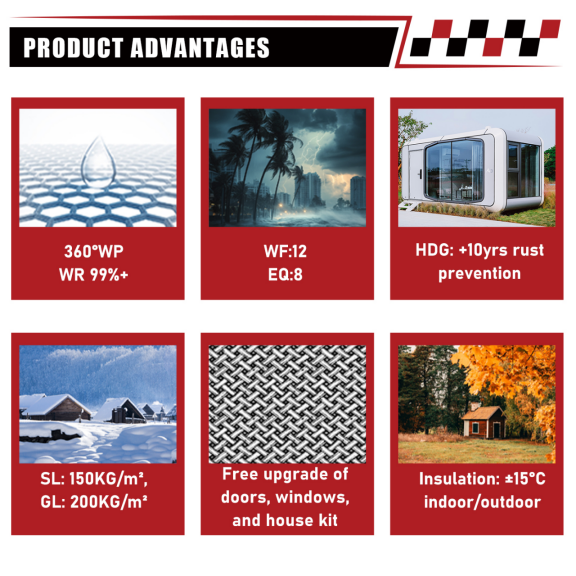
Energy efficiency depends on insulation systems rather than building type alone. Well-designed container homes can meet or exceed energy standards when equipped with proper thermal insulation and ventilation. Poorly insulated units, however, may underperform. Traditional homes offer more flexibility in wall thickness but still require careful energy design to achieve efficiency goals.
Structural Durability and Safety
Structural Strength
Shipping containers are engineered to withstand heavy loads during transport, giving container homes inherent structural strength. This makes them suitable for harsh environments when properly engineered. Traditional homes rely on material combinations such as wood or concrete, which vary in durability depending on construction quality.
Safety and Compliance
Both housing types must comply with local building codes, zoning regulations, and fire safety standards. Container homes require professional engineering to adapt steel structures for residential use. Experienced manufacturers integrate compliance considerations early in the design phase.
Mobility, Scalability, and Future Use
Relocation and Expansion
Container homes offer relocation potential that traditional homes cannot. Units can be transported, reinstalled, or expanded by adding modules. This flexibility supports temporary housing, phased developments, and changing land-use needs.
Long-Term Adaptability
Traditional homes are fixed assets with limited adaptability once built. Container homes can evolve with changing requirements, making them suitable for rental properties, mixed-use developments, and remote housing projects.
Real-World Application Scenarios
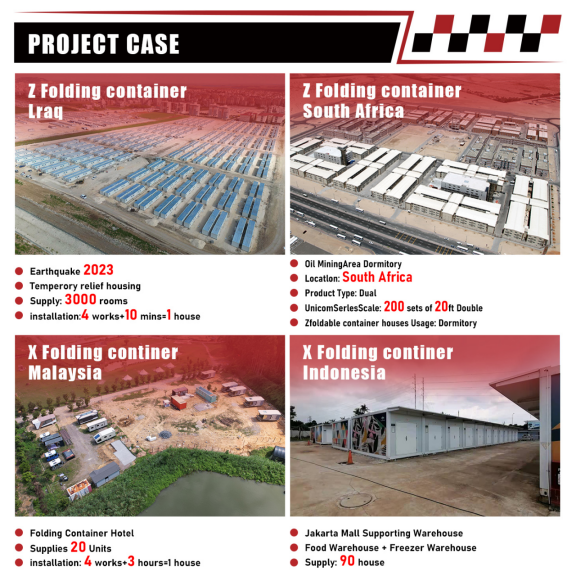
Container homes are commonly used for workforce housing, eco-resorts, student accommodation, and remote residential projects. Traditional homes remain dominant for permanent family residences and high-end custom housing. Buyers working with cammihouse often select container houses for projects where speed, cost control, and scalability are critical factors.
Conclusion: Choosing the Right Housing Model
Container homes and traditional homes are not direct substitutes but alternative solutions for different priorities. Container homes emphasize speed, cost transparency, and modular flexibility, while traditional homes focus on architectural freedom and long-term permanence. Evaluating project goals, budget constraints, and future adaptability helps determine which model fits best.
FAQ
Are container homes cheaper than traditional homes?
In many cases, container homes have lower and more predictable construction costs due to factory production. However, total cost depends on insulation standards, interior finishes, site preparation, and local regulations. Buyers should evaluate complete project costs rather than base unit prices.
Can container homes last as long as traditional homes?
Yes. When properly engineered and maintained, container homes can have comparable lifespans to traditional houses. Steel structures resist pests and decay, but long-term performance depends on corrosion protection, insulation quality, and climate conditions.
Are container homes suitable for permanent living?
Container homes can support permanent living when designed as full residential systems with proper insulation, ventilation, and utilities. Compliance with local building codes and zoning regulations is essential for long-term residential use.
