
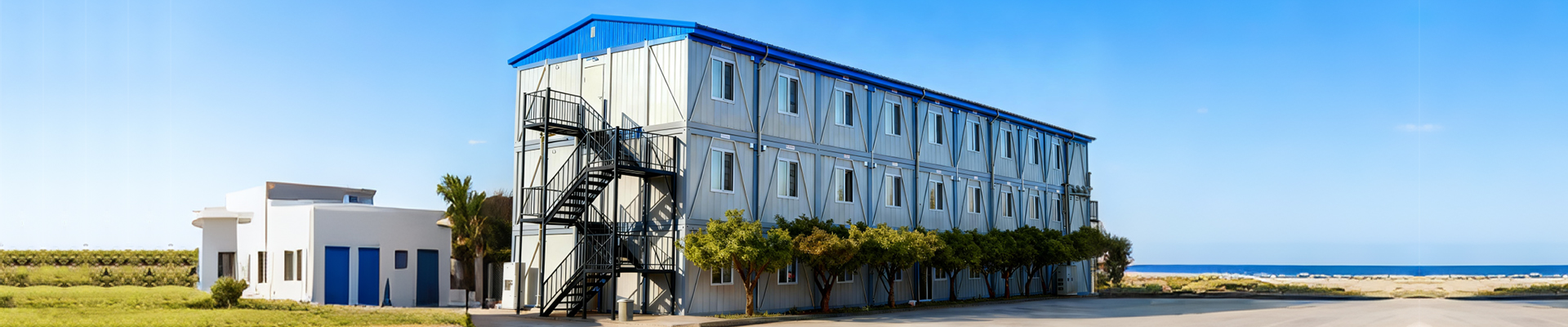
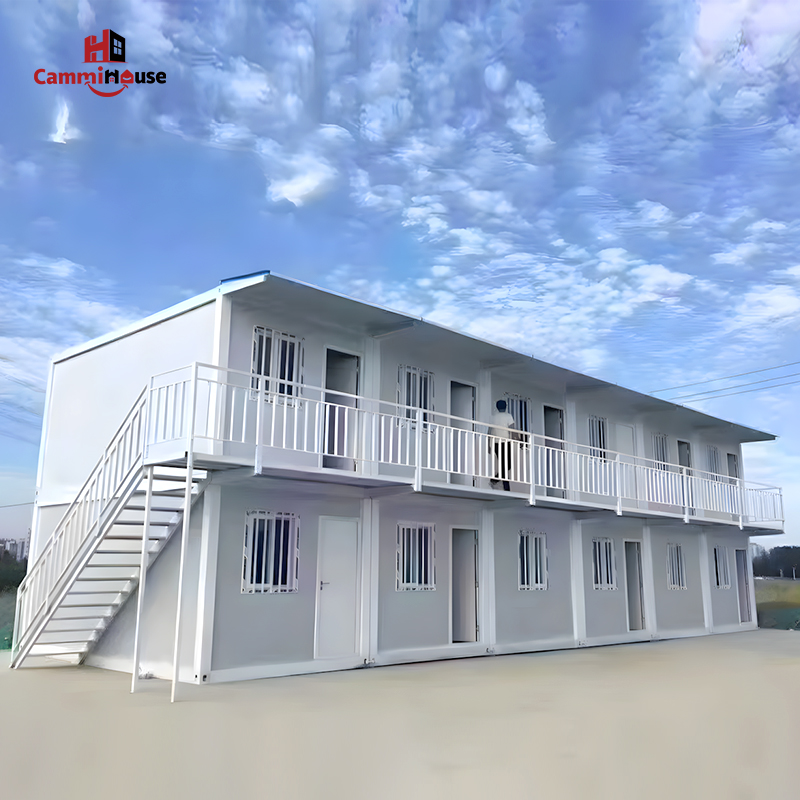
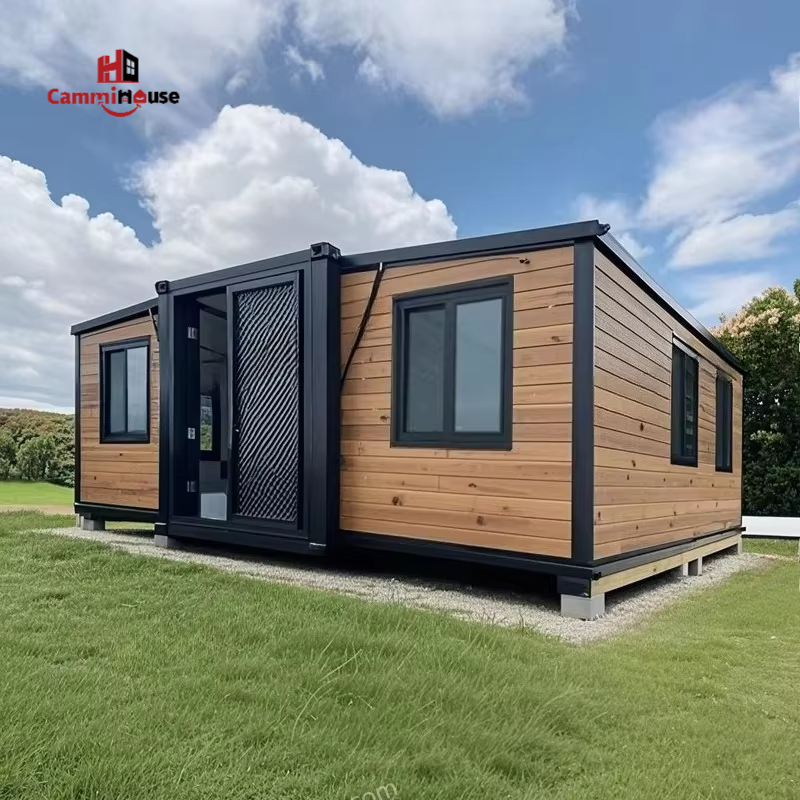
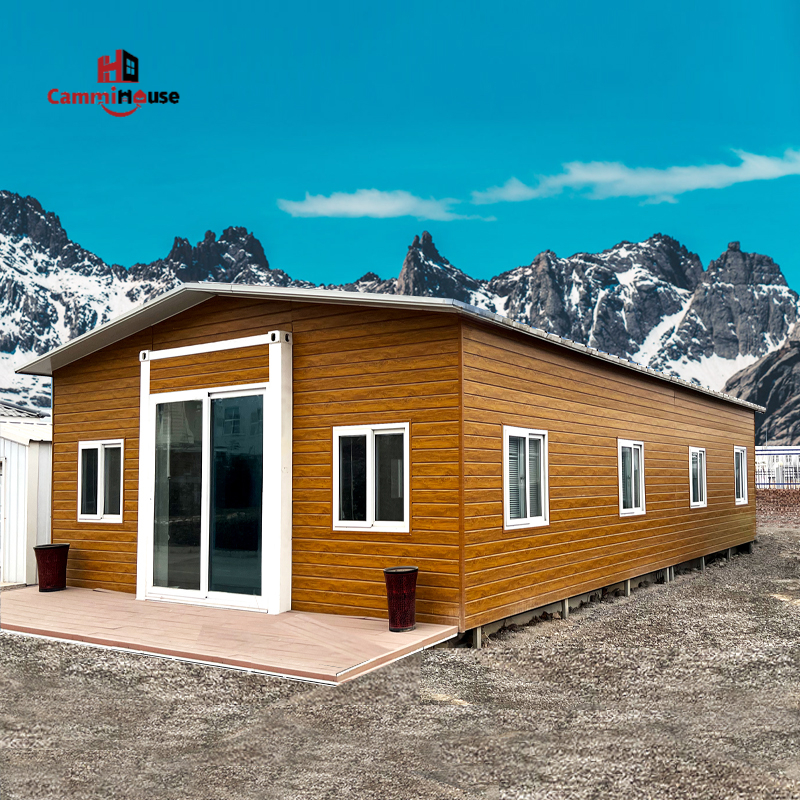
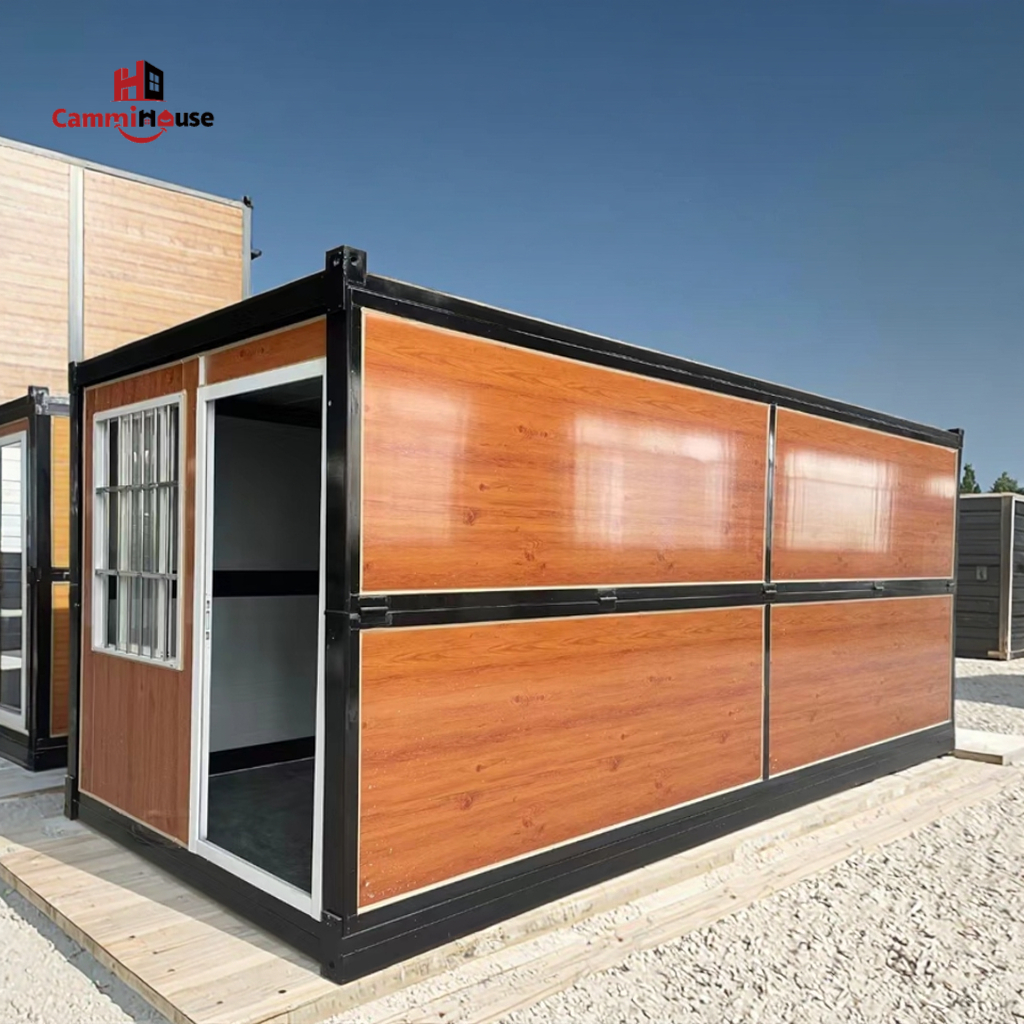
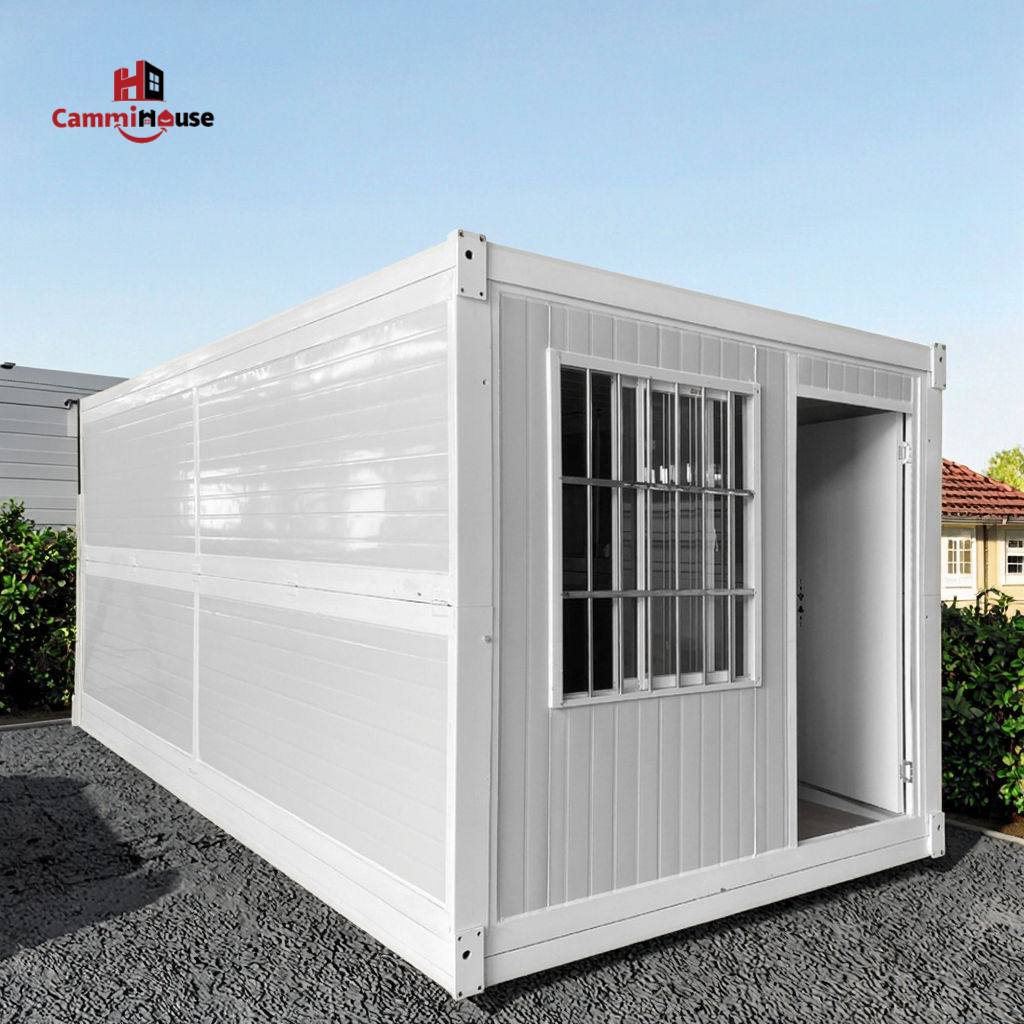
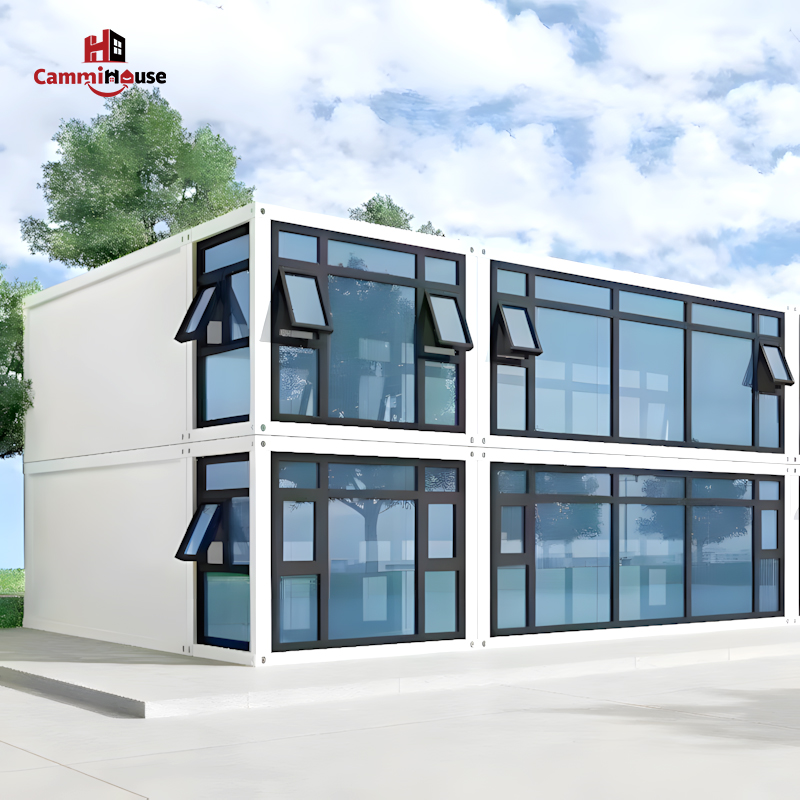
Detachable container houses are an established alternative to the conventional temporary worker camps. Mining operators, civil contractors, and infrastructure developers on four continents are using flat-pack modular units to accommodate crews in locations where permanent construction is not feasible. Besides facilitating easy shipping, the same structural features (collapsible steel-framed panels with bolt-together joints) allow for rapid setup, expansion, and complete site removal at the end of the project.
Why Worker Camps Need Modular, Relocatable Housing
Most construction and resource-extraction projects are on a schedule, a contract that, when it comes to an end, leaves the camp infrastructure that cannot be moved as a financial burden. Removable worker accommodation made from detachable container houses is quite a neat solution to the problem: the entire camp can be disassembled, containerized, and shipped to the next project location. This reuse model results in reduced housing costs per project, as compared to going for purpose-built permanent structures that are disposed of totally when the project is over.
The Core Problem with Fixed Accommodation
The decommission of traditional site huts and prefab buildings on concrete piers is a serious problem. Most contractors in Australia, Canada, and the EU are regulated to restore sites to their original state, which is to say that they have to pay for demolition and disposal. A detachable container camp does not have a permanent footprint: panels are bolted on and therefore do not perforate the ground, while the whole structure can be disassembled and packed back into the shipping containers. The Global Mining Guidelines Group (GMG, 2022) has found that relocatable camp systems decrease end-of-project decommissioning costs by 30–45% compared to fixed structures.
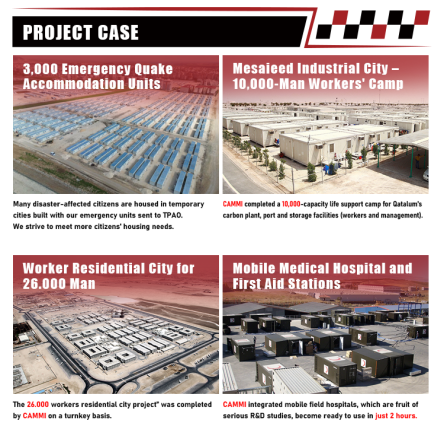
Key Features That Make Container Houses Suitable for Worker Camps
A worker camp imposes specific performance demands that standard accommodation does not: heavy daily use, extreme weather exposure, variable crew sizes, and strict occupational health standards. Detachable container homes built to industrial specifications meet all four requirements without customization on site.
Structural Durability for Heavy-Use Environments
Steel-framed flat-pack container units are engineered to withstand wind loads up to 120 km/h and floor loads of 2.5 kN/m², which exceeds the load rating of most light-gauge prefab alternatives. Wall panels use galvanized cold-rolled steel with factory-applied polyurethane foam insulation, providing thermal resistance suitable for desert heat (up to 50°C) and subarctic cold (down to -30°C). Cammihouse units carry CE and ISO 9001 certification, meeting the compliance benchmarks required by most Tier-1 contractors for employee accommodation.
Fast Assembly to Meet Tight Project Schedules
A 20-bed worker camp using detachable container homes can be assembled and operational within 3–5 working days by a six-person crew—no crane and no concrete foundation required. The bolt-together frame system allows each unit to be ready for occupancy the same day it is erected. For comparison, a comparable prefab timber camp of the same size typically requires 3–4 weeks of on-site construction labor, according to the Modular Building Institute (MBI, 2023 Annual Report).
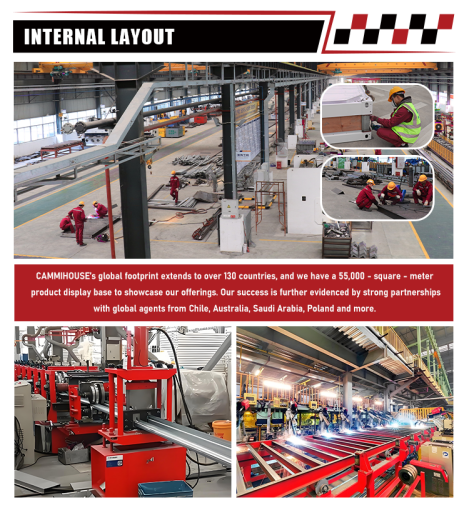
Layout Configurations for Different Camp Sizes
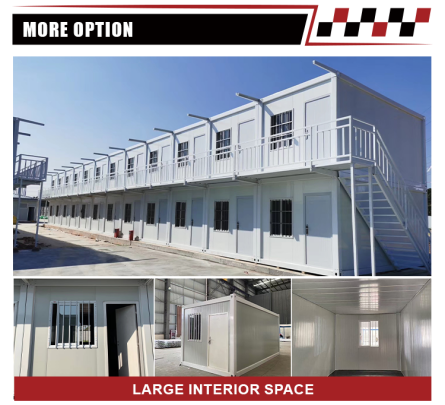
Worker camps range from a 10-person exploration team to a 500-bed mining village. Detachable container units are designed to scale in both directions. Each unit functions as a standalone sleeping cabin, an ablution block, a mess hall, or a site office, and units connect side-by-side or end-to-end to form corridors, larger rooms, or multi-story configurations.
Standard Camp Modules and Their Functions
A typical mid-size contractor camp combines three unit types. Sleeping modules (single or twin occupancy) provide 10–14 m² per worker, meeting International Labour Organization (ILO) temporary worker housing guidelines. Welfare modules house bathrooms, laundry, and changerooms. Communal modules serve as canteens, recreation rooms, or briefing spaces. Cammihouse offers all three module types from the same structural system, so one shipment can deliver a complete, self-contained camp.
Expandable Design for Crew Fluctuations
Project crew sizes rarely stay constant. A mining camp may start with 40 workers during site preparation and scale to 200 during peak construction. Because each detachable container unit is independent, new modules are simply bolted alongside existing ones as demand increases. A contractor operating a Cammihouse camp in Western Australia expanded from 24 to 72 beds within one weekend by adding two pre-shipped rows of modules—no redesign and no downtime for the existing occupants.
Compliance and Occupational Health Considerations
Worker accommodation is subject to occupational health and safety legislation in every major market. Camp managers must demonstrate minimum floor area per person, adequate ventilation, fire egress compliance, and potable water access. Detachable container homes from certified manufacturers meet these requirements as delivered, which reduces the compliance preparation burden on the site manager.
Meeting OHS Standards Without On-Site Modifications
Cammihouse units ship with pre-fitted ventilation grilles sized to AS/NZS 1668 airflow standards, fire-rated door assemblies (FRL 60/60/60), and pre-wired electrical conduit ready for generator hookup. Each sleeping module includes a compliant emergency egress window. This means a camp built from these modules passes a standard OHS inspection without requiring site-level retrofits, which are both time-consuming and expensive when discovered during a compliance audit mid-project.

FAQ
Q: How long can a detachable container worker camp remain on site?
A: There is no fixed time limit. Properly maintained flat-pack container camps have operated continuously for 5–7 years on long-duration infrastructure projects before being relocated. Annual inspection of panel seals, bolt torque, and roof membrane condition is recommended. Cammihouse provides a maintenance checklist for extended-deployment camps, and replacement hardware kits are available as standard spare parts.
Q: Can detachable container houses meet the accommodation standards required by Tier-1 mining contractors?
A: Yes, provided the units carry the relevant certifications. Tier-1 contractors typically require CE marking, ISO 9001 manufacturing certification, and compliance with ILO Accommodation of Crews Convention standards. Cammihouse units hold CE and ISO 9001 certification and are supplied with a technical data pack that documents fire rating, structural load capacity, and insulation R-values to support contractor approval submissions.
Q: What utilities are needed to make a container worker camp fully operational?
A: A self-contained camp requires a diesel or solar generator for power, a water storage and pressure tank system, a greywater or sewage treatment unit, and a satellite or cellular data connection. None of these require permanent civil works. Cammihouse can advise on utility sizing based on crew count and climate zone, and the modular layout accommodates utility connections without structural modification to any unit.
·
