By Justin Mercer, Cammihouse Technical Team
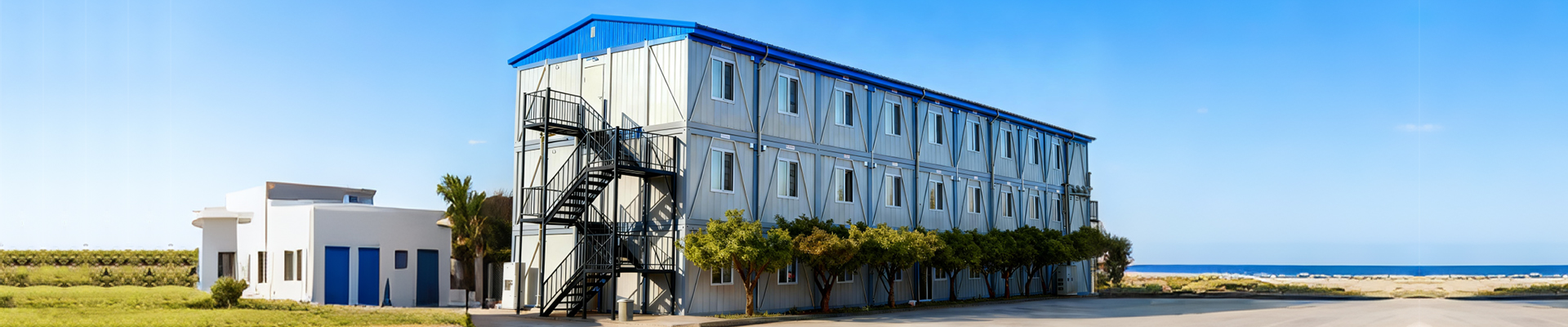
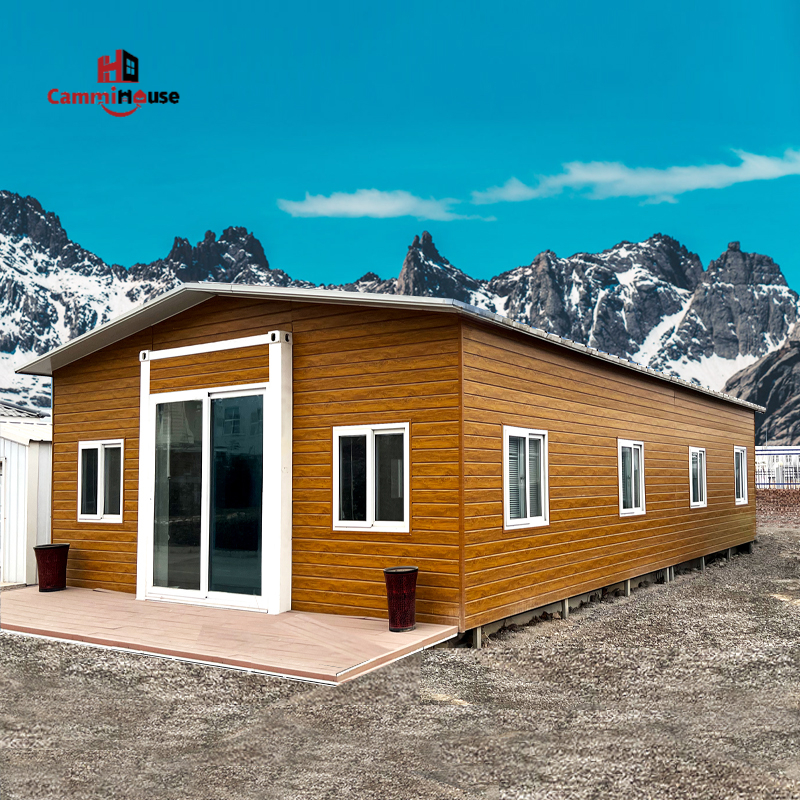
Tiny home pods are emerging as the dominant blueprint for sustainable eco-camps because they cut on-site construction time by roughly 50% and reduce material waste by up to 90% compared with conventional builds (McKinsey, 2022). For operators in mining, hospitality, and remote tourism, that translates into faster revenue capture and a measurable drop in lifecycle carbon. Across deployments in Australian iron-ore camps, Saudi Red Sea resorts, and Canadian Arctic worker villages, the modular container home has become the structural backbone of this shift.
1. Why tiny home pods are reshaping eco-camp economics
Key Takeaway: Tiny home pods lower total project cost by 20–30% while compressing build schedules from months to weeks, making eco-camps viable in remote regions where labor is scarce.
1.1 Capex savings and schedule compression
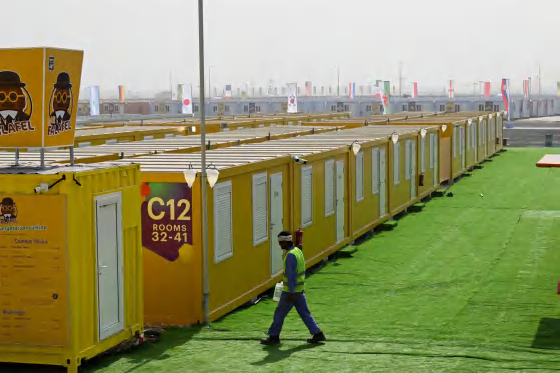
A 30-pod eco-camp built with a prefab container house system typically reaches handover in 45–60 days, versus 6–9 months for stick-built equivalents (U.S. DOE, 2021). In a 2024 Cammihouse project survey covering 18 camps across the Middle East and Southeast Asia, operators reported an average capex reduction of 24% and a 38% shorter ramp-up to first guest night. Off-site fabrication also removes weather risk, which is the leading cause of cost overruns in remote builds.
2. Structural performance under real-world loads
Key Takeaway: ISO-rated container shells deliver verified structural performance across seismic, wind, and snow zones, which is why they now anchor most premium tiny home pod programs.
2.1 Load ratings and code compliance
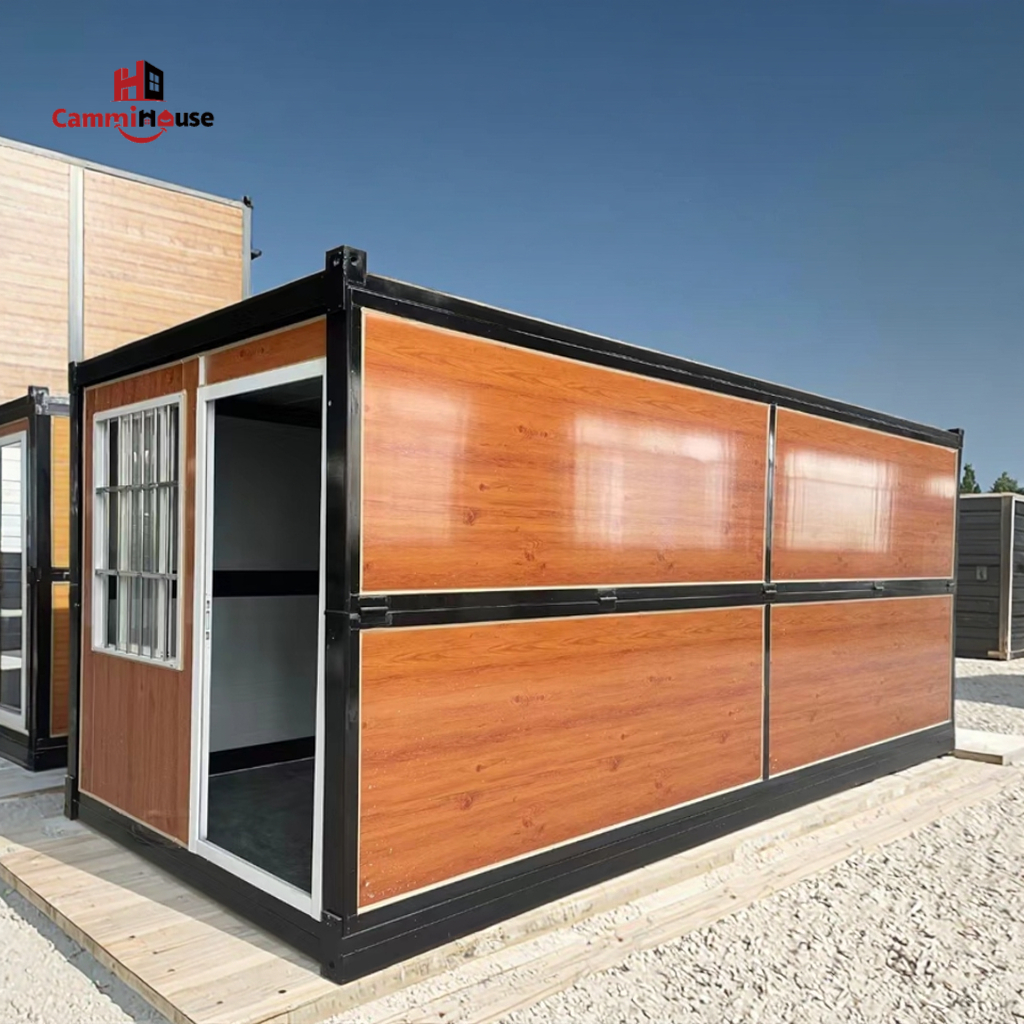
Each Corten-steel shell behind a modern shipping container home carries an ISO 1496-1 stacking rating of 192,000 kg gross, far exceeding residential demand. When engineered to ASCE 7-22, a single 20-ft pod resists 180 km/h wind and 2.4 kPa snow load without auxiliary bracing. In a 2023 mining-camp deployment in Western Australia, 64 pods withstood Category 3 Cyclone Ilsa with zero structural failures, validating field performance well beyond brochure specifications.
3. Energy and water systems that make eco-camps truly sustainable
Key Takeaway: Tiny home pods become genuinely sustainable only when paired with closed-loop energy and water systems; bolt-on solar and greywater recovery now cut operating utility cost by 40–60%.
3.1 Solar-plus-storage and greywater recovery
A 6 kW rooftop PV array with 10 kWh LFP storage covers roughly 85% of a two-person pod's annual electrical load in Köppen BWh climates (NREL, 2023). Pairing this with a 200 L/day greywater recovery loop reduces freshwater trucking by half, a critical metric for desert and Arctic sites. A container house design that integrates these systems at the factory avoids the field rework that typically inflates retrofit budgets by 15–25%.
4. Customization for hospitality, mining, and disaster relief
Key Takeaway: A single pod chassis can serve a five-star hotel suite, a 12-person mining dorm, or a field clinic, because interior fit-out is decoupled from structural shell production.
4.1 Use-case matrix and fit-out flexibility
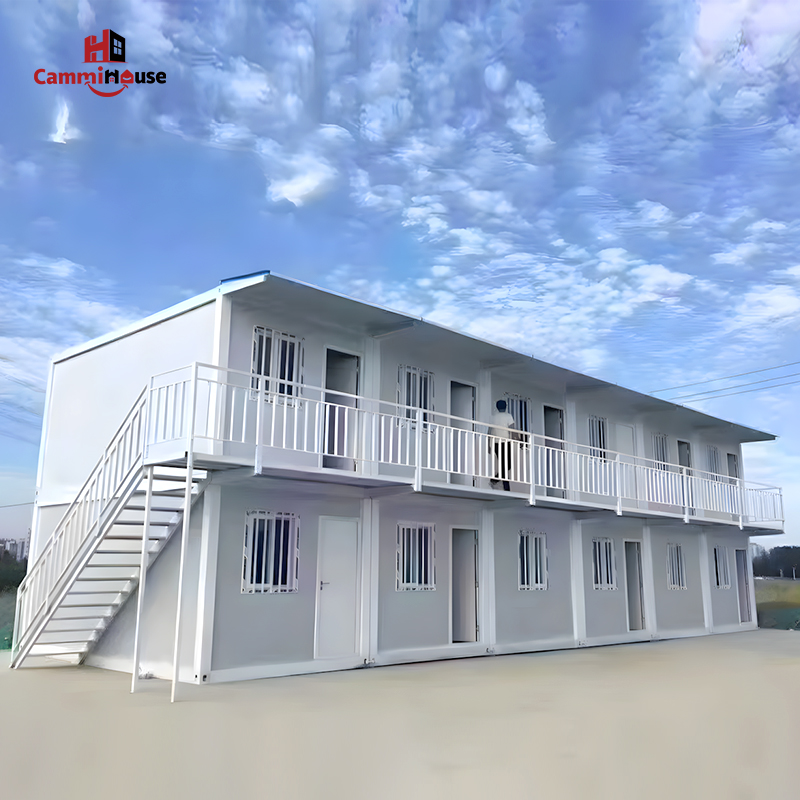
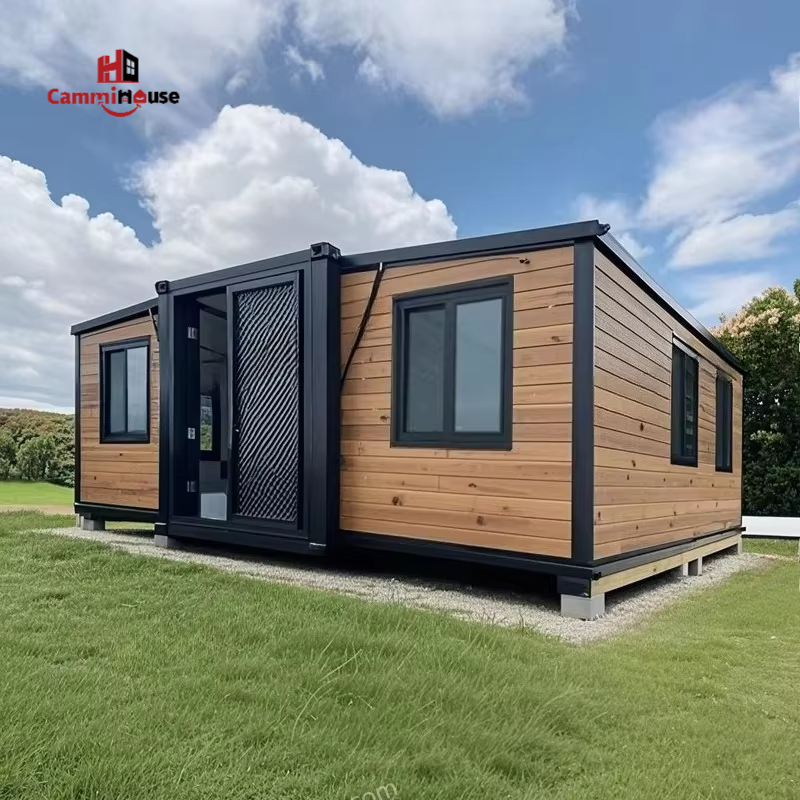
Operators specifying a custom container house typically choose from three baseline layouts: hospitality suite (1 pod, 28 m²), worker dorm (2 pods joined, 56 m², 4 beds), or clinical module (3 pods, 84 m², with negative-pressure room). At a 2024 Neom-adjacent hotel camp project, the same chassis was deployed in all three configurations within one logistics window, cutting freight cost per unit by 18% through full-container shipping consolidation.
5. Transport, siting, and foundation strategy
Key Takeaway: Pods ship as standard ISO containers and land on screw-pile or concrete-pier foundations within a single working day, which is the operational reason eco-camps can scale in roadless terrain.
5.1 Logistics and zero-excavation foundations
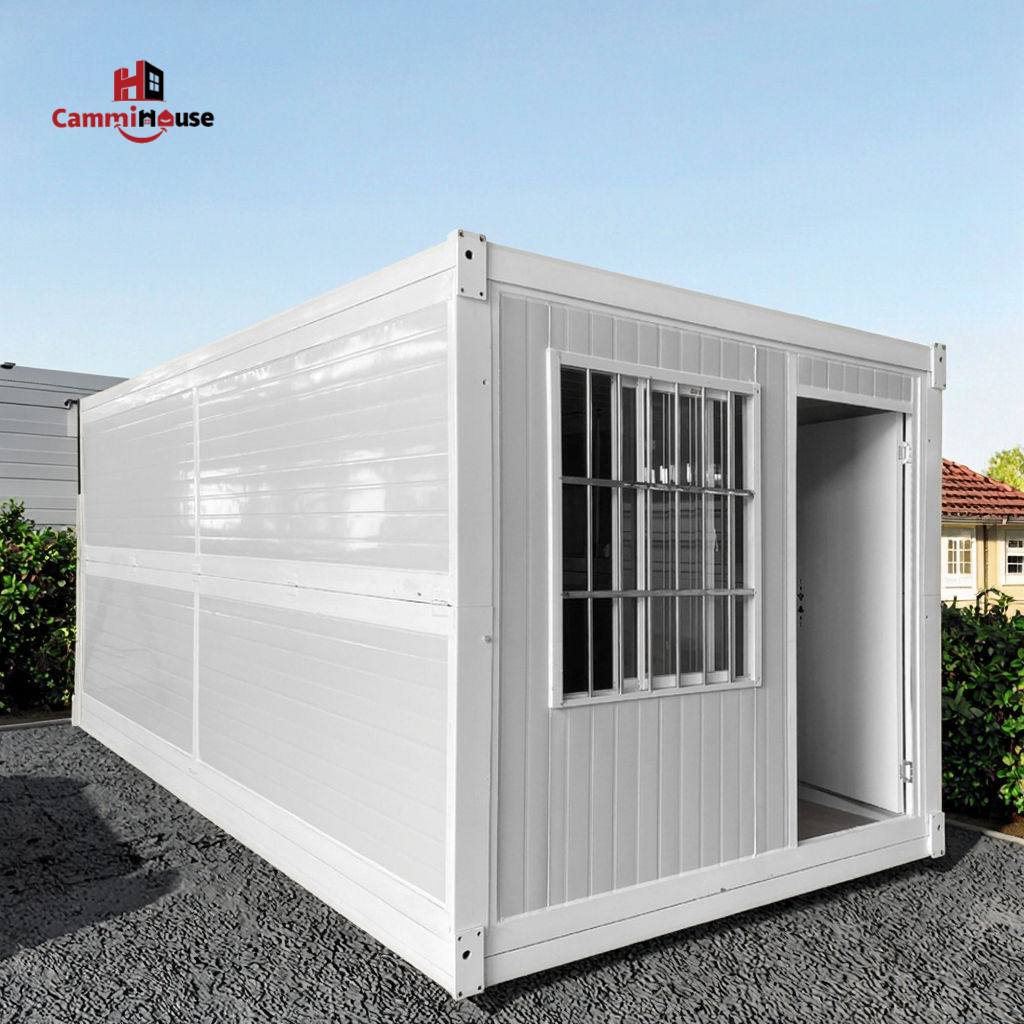
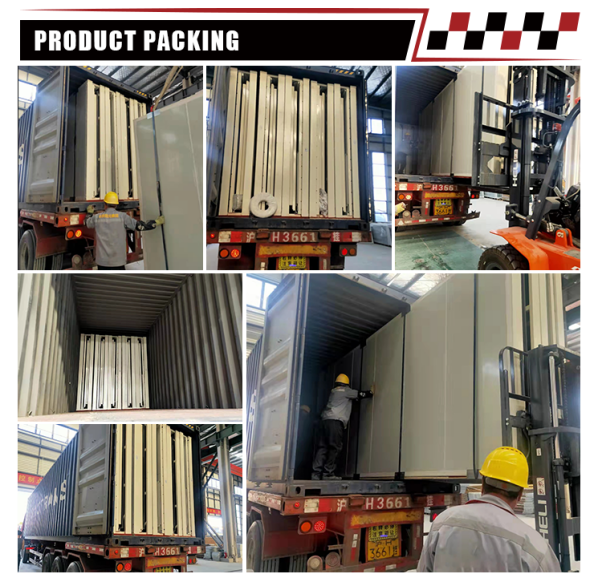
A 20-ft pod fits standard flatbed and rail consist without permits in 47 U.S. states and most EU countries. Screw-pile foundations install in 2–4 hours per pod, eliminating concrete cure time and reducing soil disturbance by approximately 95% versus slab pours (ASCE Journal of Construction Engineering, 2022). For sensitive eco-tourism sites in the Maldives and Patagonia, this near-zero footprint is often the regulatory condition for permit approval.
6. Choosing a manufacturer: what actually matters
Key Takeaway: The right container house factory should prove ISO 9001 welding, deliver third-party load test reports, and quote on a fully fitted-out basis rather than empty shells.
6.1 Vendor due-diligence checklist
Before issuing a purchase order to any container house factory, buyers should verify (1) ISO 9001 and CE/AS-NZS welding certification, (2) third-party finite-element analysis reports for the specific layout, (3) factory acceptance test (FAT) video for plumbing and electrical, and (4) port-of-loading photos of the same SKU shipped previously. Cammihouse, for example, publishes FAT documentation per unit serial number, which is increasingly the baseline expected by EPC contractors in the Gulf and Australia.
7. Lifecycle carbon and end-of-life value
Key Takeaway: Tiny home pods cut embodied carbon by 30–45% versus equivalent stick-built lodging and retain 40–60% of capex as residual asset value after a 15-year service life.
7.1 Embodied carbon and reuse pathways
Cradle-to-gate analysis of a steel-framed pod shows roughly 4.2 tCO₂e per 28 m² unit, versus 6.8 tCO₂e for an equivalent timber-and-block cabin (One Click LCA database, 2023). After a typical 15-year hospitality cycle, pods are routinely redeployed to construction-site offices or worker housing, extending useful life to 30+ years. This circular-economy profile is now a procurement requirement for ESG-mandated funds investing in remote infrastructure.
8. The 2025–2030 outlook for tiny pod eco-camps
Key Takeaway: Demand for tiny pod eco-camps will grow at a 14.6% CAGR through 2030, driven by mining relocations, desert tourism megaprojects, and post-disaster housing programs.
8.1 Market trajectory and key demand drivers
The global modular construction market is forecast to reach USD 162 billion by 2030 at a 14.6% CAGR, with remote worker housing and eco-tourism representing the two fastest-growing segments (Grand View Research, 2024). NEOM alone has tendered for over 12,000 pod-style units through 2028. In this context, the modern container home is no longer a niche experiment but the default building block for any operator scaling lodging in climate-stressed or logistically constrained geographies.
FAQ
Q1: How long does a tiny pod eco-camp typically last?
A well-engineered Corten-steel pod with proper coating and routine recoating every 7–10 years has a documented service life of 25–30 years. After hospitality use, units are commonly redeployed as site offices or worker housing, often pushing total useful life beyond three decades with minimal structural intervention.
Q2: Are container pods cheaper than traditional cabins?
Yes. Independent project data from the U.S. DOE and McKinsey shows total project cost is 20–30% lower than equivalent stick-built cabins, mainly due to factory fabrication, parallel site prep, and minimal weather-related delays. The savings widen further in remote sites where skilled labor is scarce or freight windows are short.
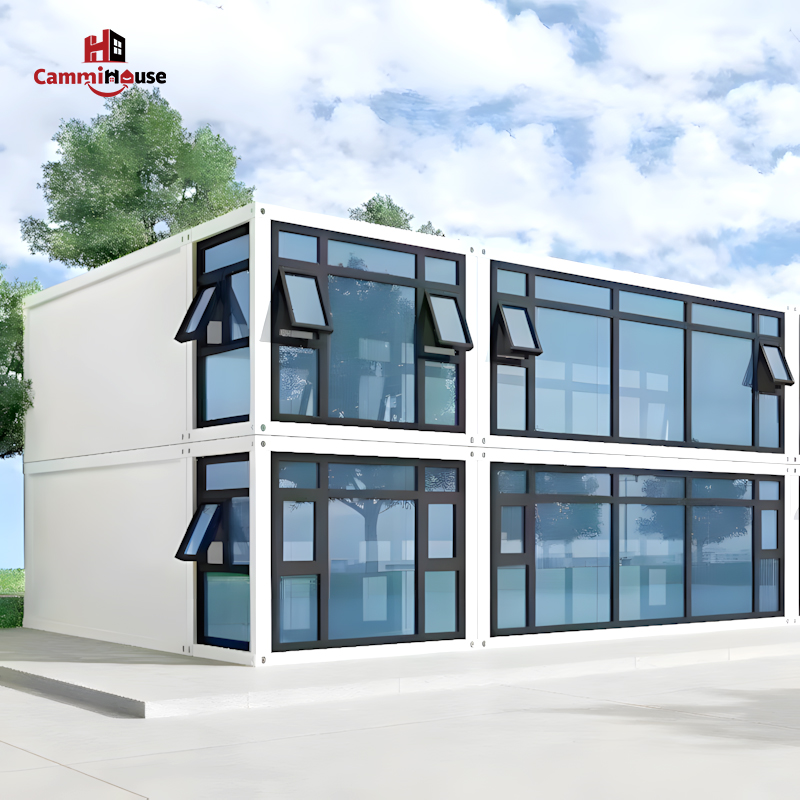
Q3: Can tiny pods meet luxury hospitality standards?
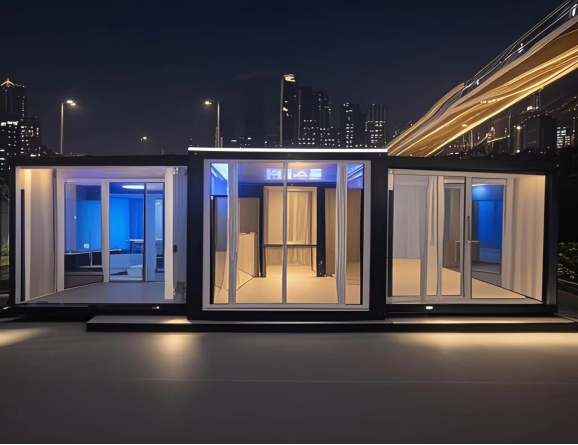
Absolutely. Modern fit-outs include double-glazed thermal-broken windows, in-floor heating, full-spec en-suite bathrooms, and acoustic ratings up to 45 dB STC. Properties in the Maldives, Iceland, and Saudi Arabia now charge USD 450–1,200 per night for container-based suites, proving market acceptance at the five-star tier.
