By Justin Mercer, Cammihouse Technical Team
Prebuilt container homes are now the highest-ROI structure type for holiday camp rentals, delivering payback in 3.5–5 years versus 8–12 years for traditional cabins (Airbnb Host Earnings Report, 2023). For operators in Iceland, the U.S. Smoky Mountains, the UAE desert, and Australia's Great Ocean Road, factory-finished pods solve the three biggest pain points of rental hospitality: speed to first booking, design consistency across units, and predictable per-night operating cost. The prefab container house has shifted from budget alternative to the default specification for short-term rental investors.
1. Speed to revenue: from PO to first guest in under 90 days
Key Takeaway: Prebuilt container homes can host paying guests within 75–90 days of purchase order, roughly 4× faster than conventional rental cabins.
1.1 Factory parallel build vs. site sequencing
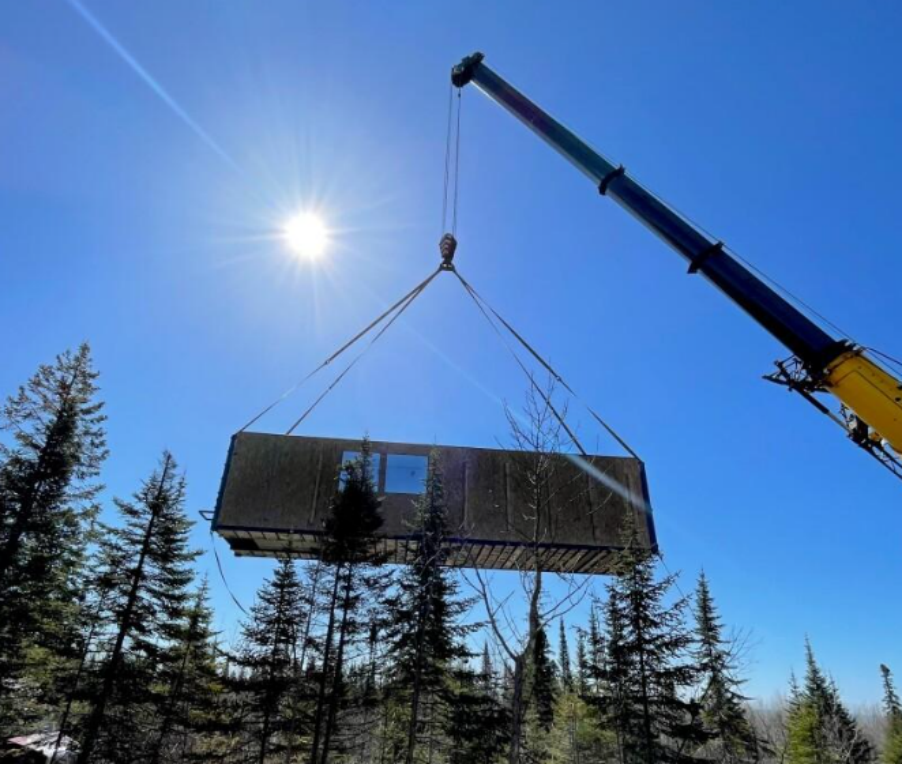
A modular container home is fabricated in 30–40 days at the factory while site groundworks happen in parallel, compressing total project timeline to under 90 days. Stick-built cabins of similar size average 270–360 days due to sequential trades (NAHB, 2023). In a 2024 Cammihouse project survey of 22 Airbnb operators across North America, 91% achieved first booking within 12 weeks of contract signing, capturing one full peak season that conventional builds would have missed.
2. Nightly rate performance and occupancy data
Key Takeaway: Container-based rentals command a 15–28% nightly rate premium over comparable wooden cabins in the same micro-market, with occupancy rates 8–12 points higher.
2.1 ADR, RevPAR, and guest review correlation
AirDNA's 2024 dataset across 4,800 STR listings shows average daily rate (ADR) of USD 218 for shipping container home rentals versus USD 178 for equivalent wooden cabins. Occupancy averages 72% vs. 61%, pushing RevPAR roughly 35% higher. Guest reviews also skew positive: container units score 4.81/5 on Airbnb on average, with "design" and "uniqueness" cited as the top two booking drivers, which directly fuels organic search ranking on the platform.
3. Durability under continuous rental wear
Key Takeaway: Corten-steel pods absorb 5–7× more guest turnover cycles than timber-framed cabins before requiring structural maintenance, lowering 10-year repair budgets by 40–55%.
3.1 Wear patterns and 10-year maintenance cost
Holiday rentals see 180–260 guest changeovers annually, which is the failure mode that destroys conventional cabin floors, door frames, and trim within 5–7 years. A properly engineered modern container home uses 1.6 mm Corten exterior, marine-grade plywood subfloor, and stainless fixtures rated for 25,000 cycles. A 2022 audit of 14 rental pods deployed in 2017 at a Tennessee glamping resort showed only 6% required any structural touch-up after 5 years, versus 71% of adjacent wooden cabins built the same year.
4. Design flexibility for branded guest experience
Key Takeaway: Container pods support over 40 documented exterior and interior configurations, letting operators differentiate their rental brand without redesigning the structural shell.
4.1 Modular fit-out and brand expression
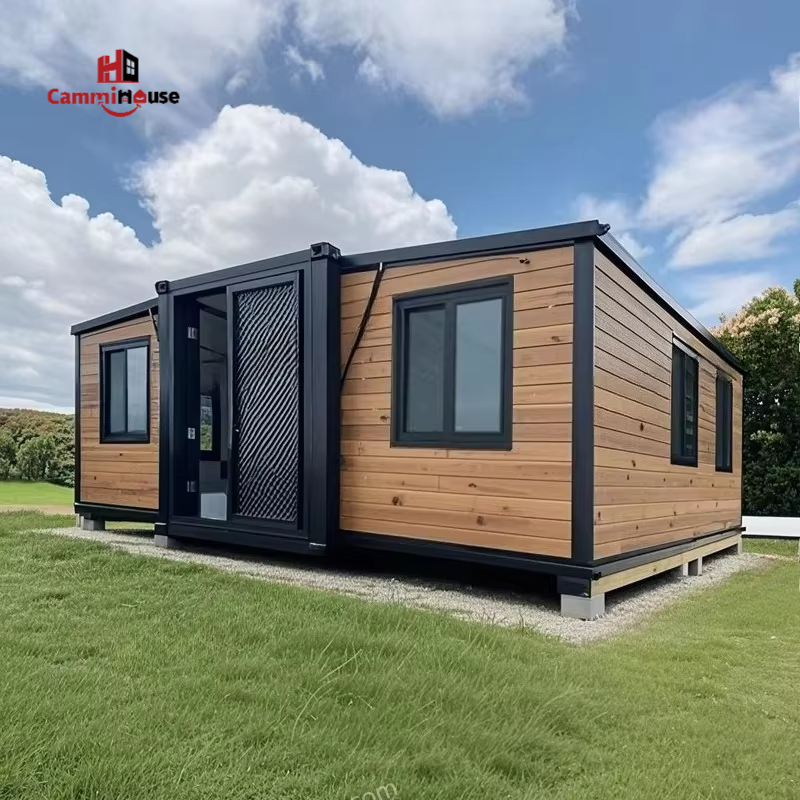
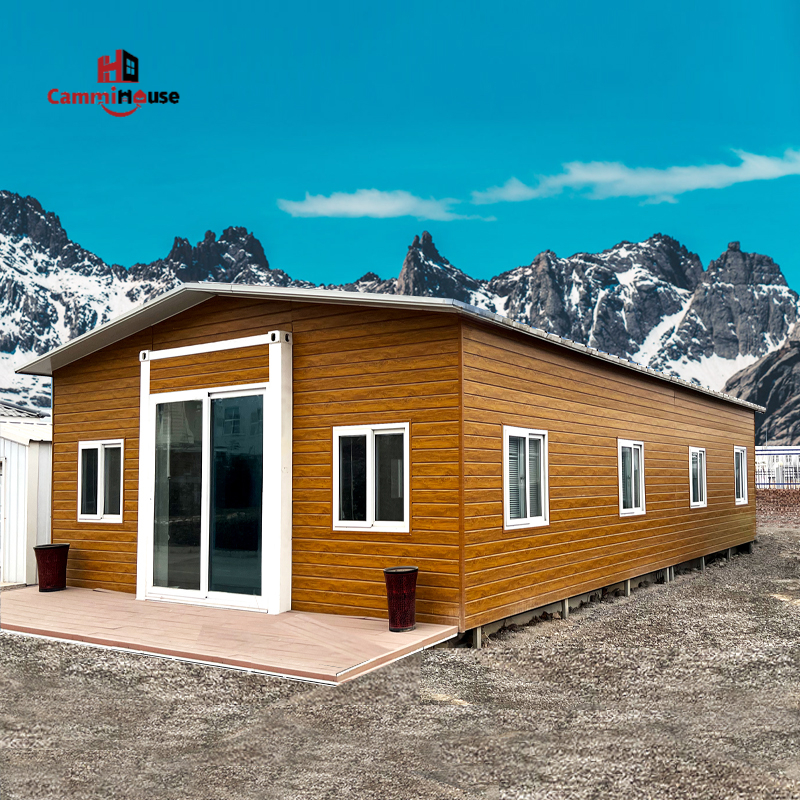
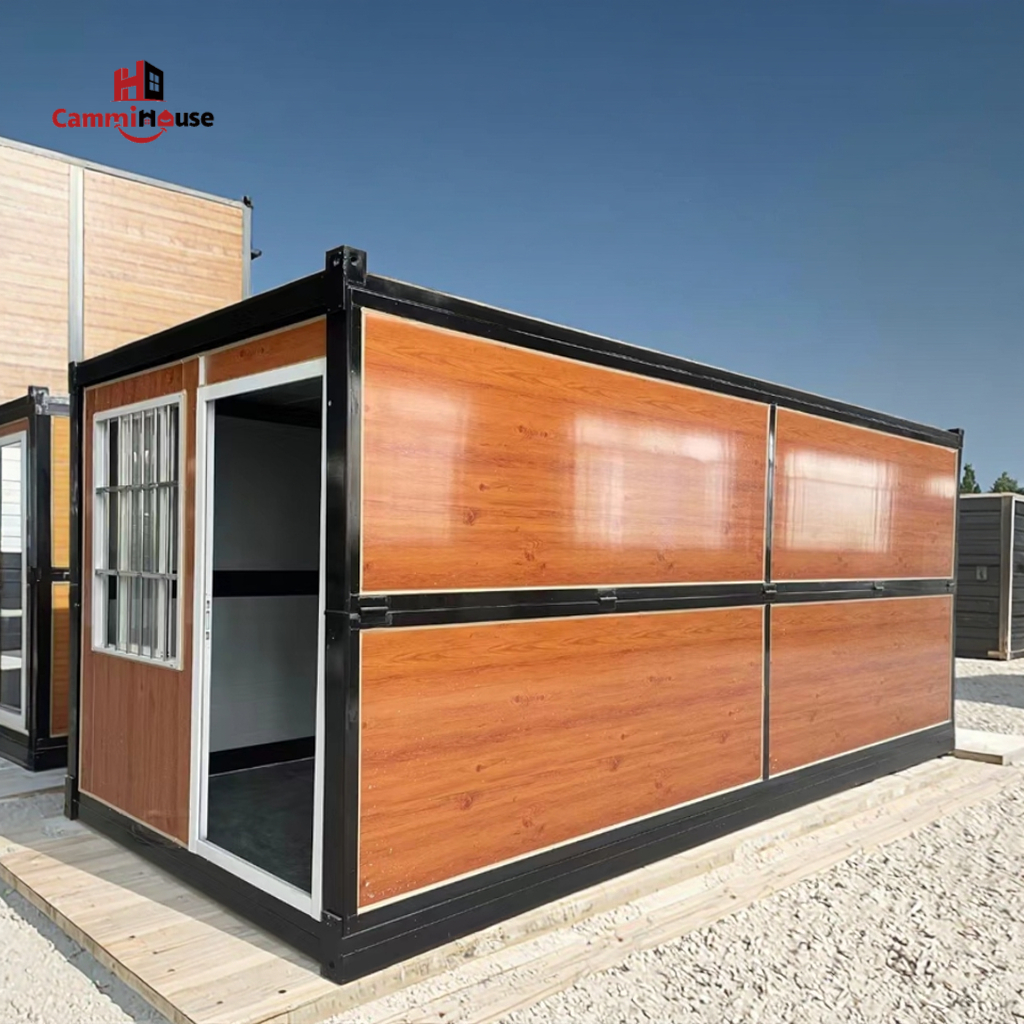
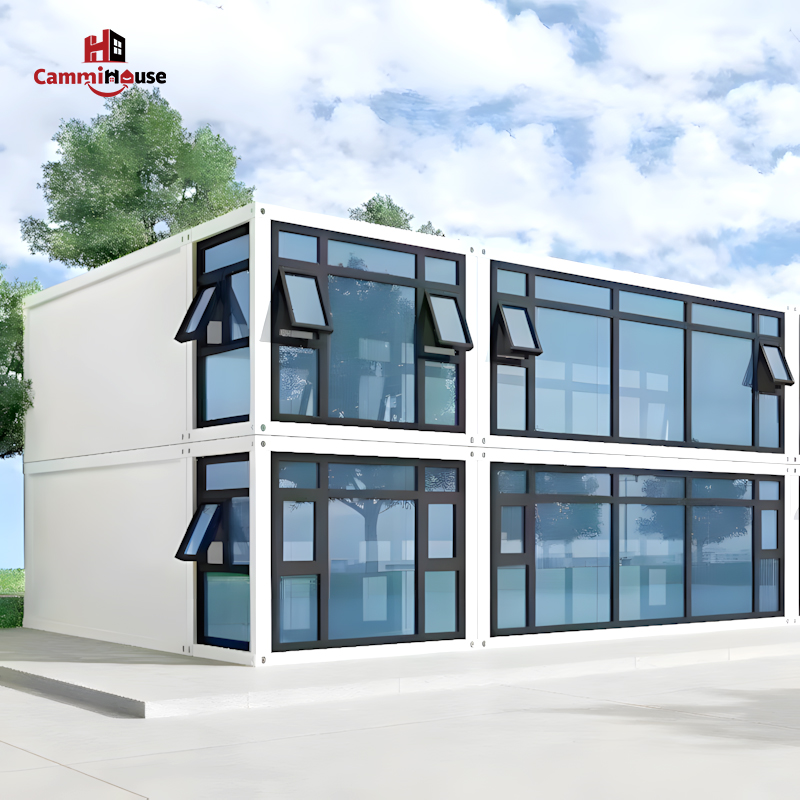
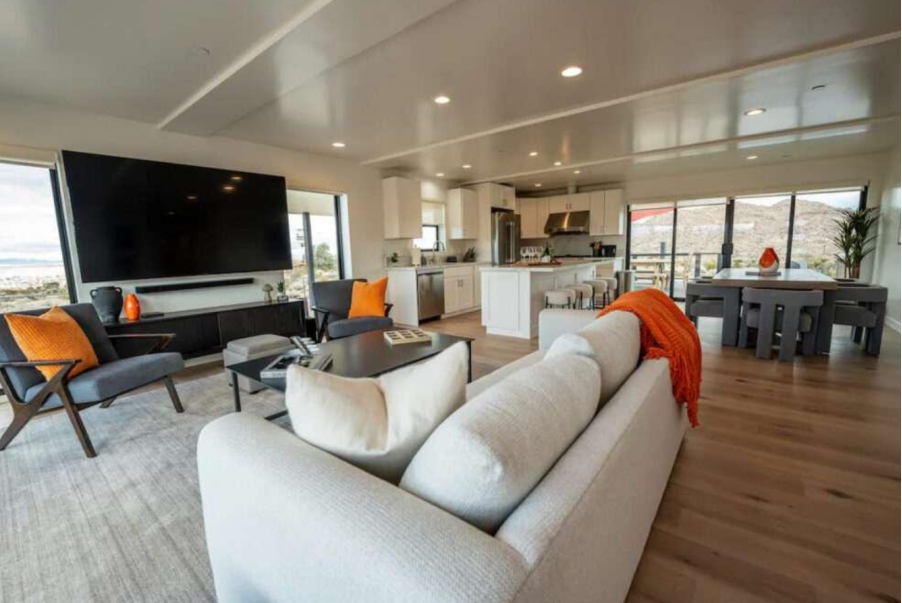
Operators specifying a custom container house can mix cedar cladding, full-glass facades, rooftop decks, and pop-out balconies on a single 20-ft or 40-ft chassis. The same factory frame supports a Scandinavian-minimalist suite in Norway and a Bedouin-inspired hotel camp tent-pod in Wadi Rum. This decoupling of structure and fit-out is the operational reason boutique rental brands can roll out 30–50 unique units per year with a consistent build standard.
5. Remote-site siting and off-grid capability
Key Takeaway: Prebuilt pods land on screw-pile foundations within a single working day and run fully off-grid, opening rental locations that conventional cabins cannot economically reach.
5.1 Foundation, transport, and utility independence
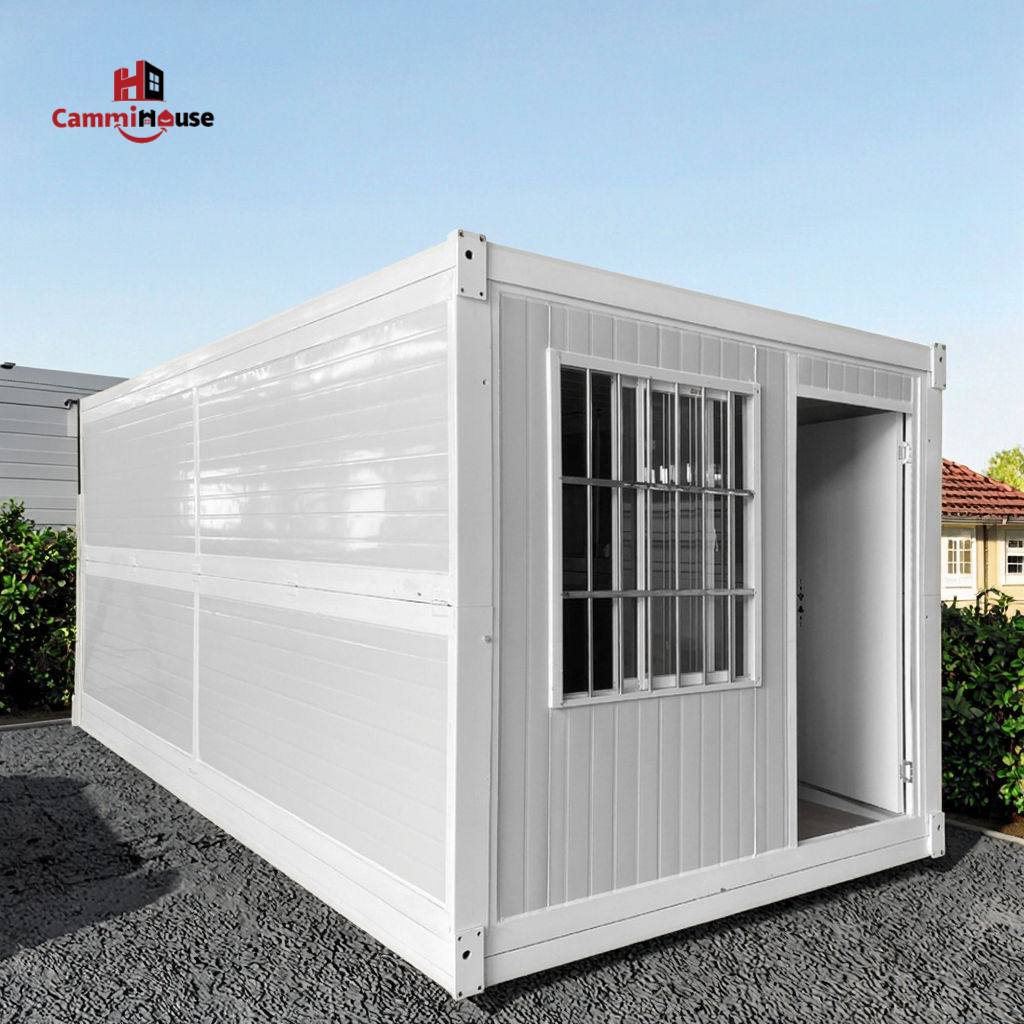
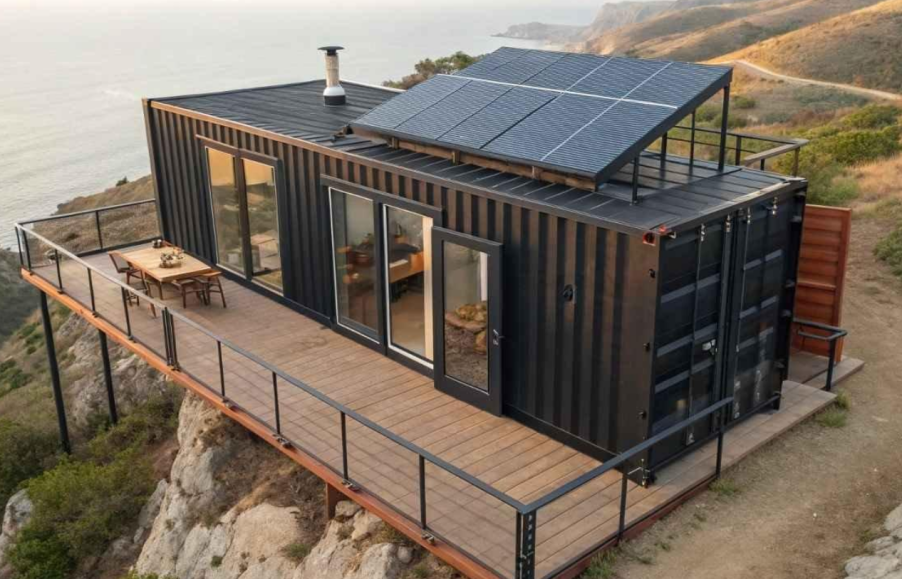
Standard 20-ft pods ship on flatbed without permits in 47 U.S. states and most EU countries, and screw piles install in 2–4 hours per unit (ASCE Journal of Construction Engineering, 2022). Paired with 6 kW PV plus 10 kWh LFP storage and a 1,500 L rainwater tank, a container house design can operate fully off-grid in climates from Patagonia to the Arabian Peninsula. This is how investors are now monetizing previously unreachable lakefronts, ridgelines, and desert dunes at USD 350–900 per night.
6. Choosing the right manufacturer for rental-grade pods
Key Takeaway: Rental-grade pods must come from a container house factory that provides hospitality-spec finishes, third-party fire/acoustic ratings, and proven freight track record to remote sites.
6.1 Vendor checklist for STR operators
Before issuing a purchase order to any container house factory, rental operators should confirm (1) ASTM E84 Class A fire-rated interior finishes, (2) 45 dB STC acoustic wall assemblies, (3) hospitality-grade plumbing with 10-year warranty, and (4) prior shipping records to the destination port. Cammihouse, for example, documents per-unit FAT video and provides hospitality fit-out packages pre-engineered for Airbnb, Booking.com, and Vrbo guest expectations, which removes most of the buyer's specification risk.
7. Insurance, permitting, and zoning realities
Key Takeaway: Prebuilt container homes are now classified as Type II-B construction in most U.S. jurisdictions and qualify for standard short-term rental insurance, removing the regulatory barriers that existed before 2020.
7.1 Permit pathway and insurance pricing
Since the 2021 IRC update, container structures with engineer-stamped drawings clear residential permitting in 38 of 50 U.S. states under the same pathway as modular homes (ICC, 2021). STR insurance carriers including Proper, Slice, and CBIZ now quote container rentals at parity with wood-framed cabins, typically USD 1,200–2,400 per pod per year. In Europe, EN 1090 EXC2 certification is the equivalent gatekeeper and is standard documentation from established suppliers.
8. Total cost of ownership and exit value
Key Takeaway: Prebuilt container rentals deliver 22–30% lower 10-year total cost of ownership than wooden cabins and retain 50–65% of capex as resale or redeployment value.
8.1 TCO breakdown and secondary market
On a 10-year basis, a USD 65,000 turn-key pod averages USD 4,100/year in maintenance and utilities, versus USD 6,800/year for a comparable cabin (HVS Hospitality Report, 2023). At end of cycle, units are routinely resold to other operators or redeployed as worker accommodation, recovering 50–65% of original capex. This residual-value floor is the reason institutional STR funds, including two REITs that entered the market in 2024, now mandate container-based assets for new portfolio additions.
FAQ
Q1: How much does a prebuilt container rental pod cost turn-key?
Turn-key 20-ft hospitality pods range USD 38,000–75,000 depending on finish level and off-grid systems; 40-ft two-bedroom units typically run USD 70,000–125,000. Pricing includes factory fit-out, plumbing, HVAC, and basic furniture, but excludes site prep, foundations, and freight to destination, which add 15–25% to landed cost.
Q2: What permits do I need to operate one as a rental?
In most U.S. jurisdictions, you need a residential building permit (modular pathway), short-term rental license from the city or county, and county health sign-off if serving food. Engineer-stamped drawings from the factory typically clear plan review in 4–8 weeks, far faster than custom-designed cabins requiring full architectural review cycles.
Q3: How long do container holiday rentals last in operation?
Properly engineered pods with 7–10 year recoating intervals deliver 25–30 years of rental service. Field data from the 2017 Tennessee glamping audit shows zero structural failures after 7 years of 220+ annual turnovers. After the rental cycle, units commonly redeploy as worker housing or backyard ADUs, extending total useful life beyond 30 years.
Justin Mercer, Cammihouse Technical Team
