
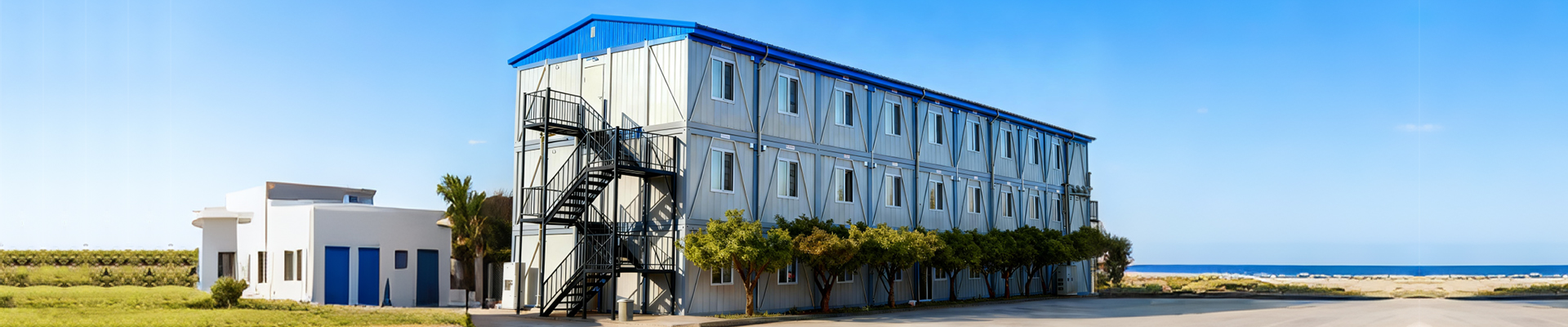
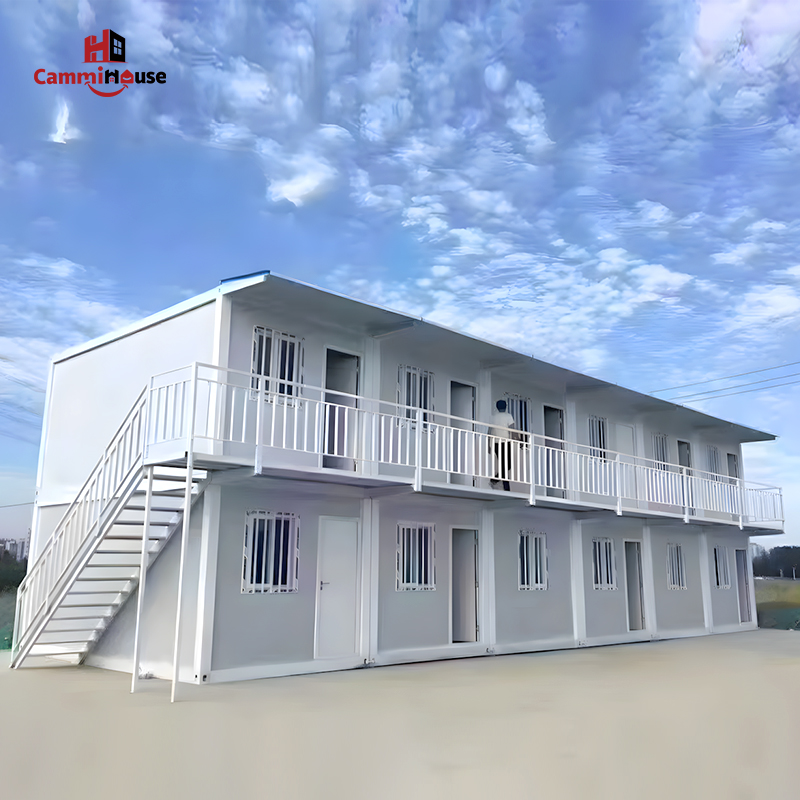
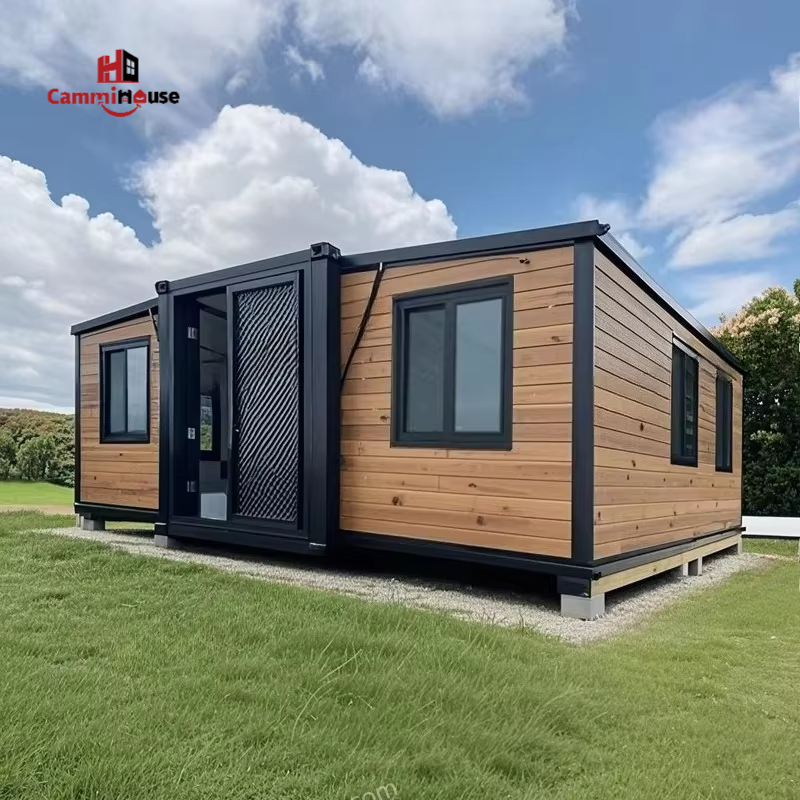
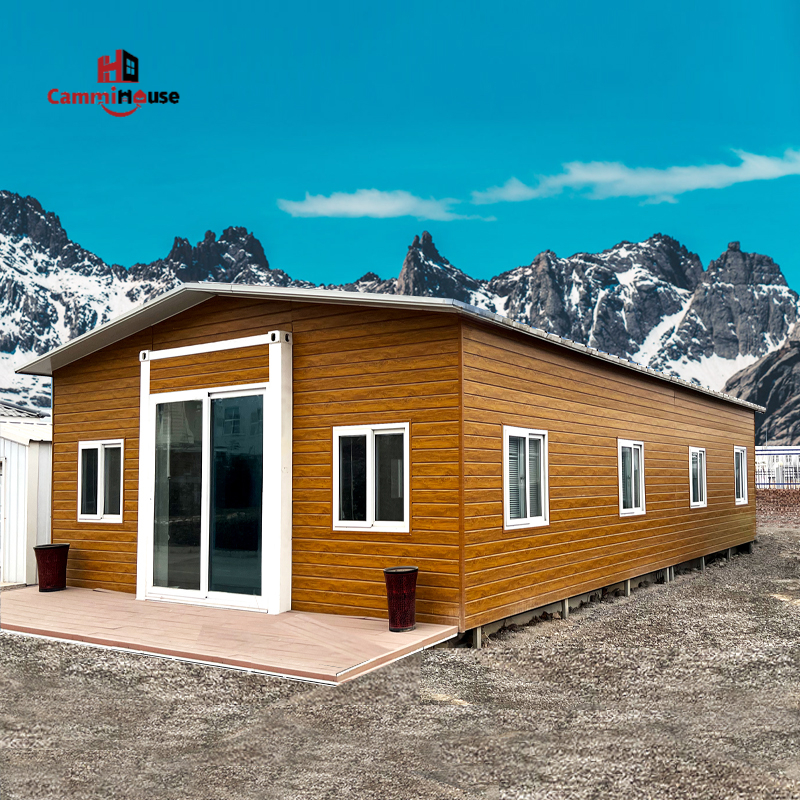
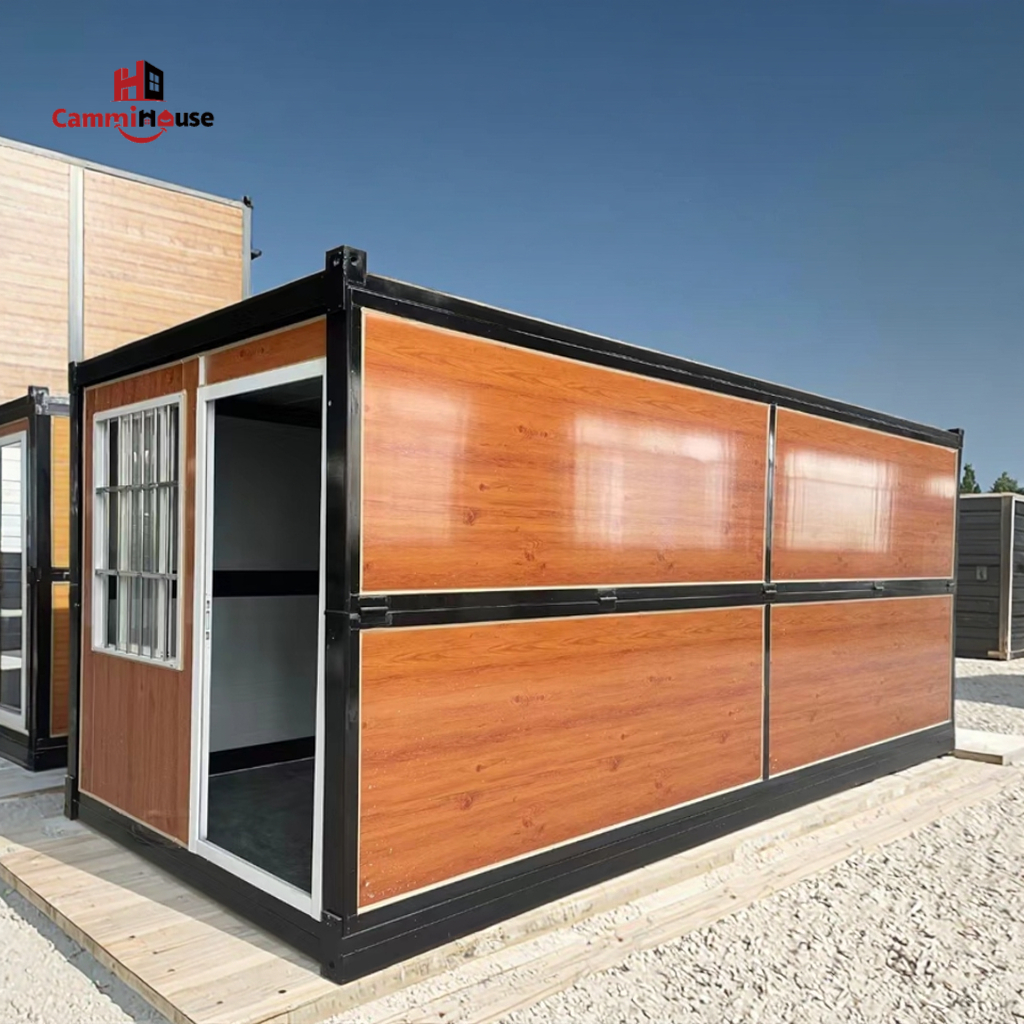
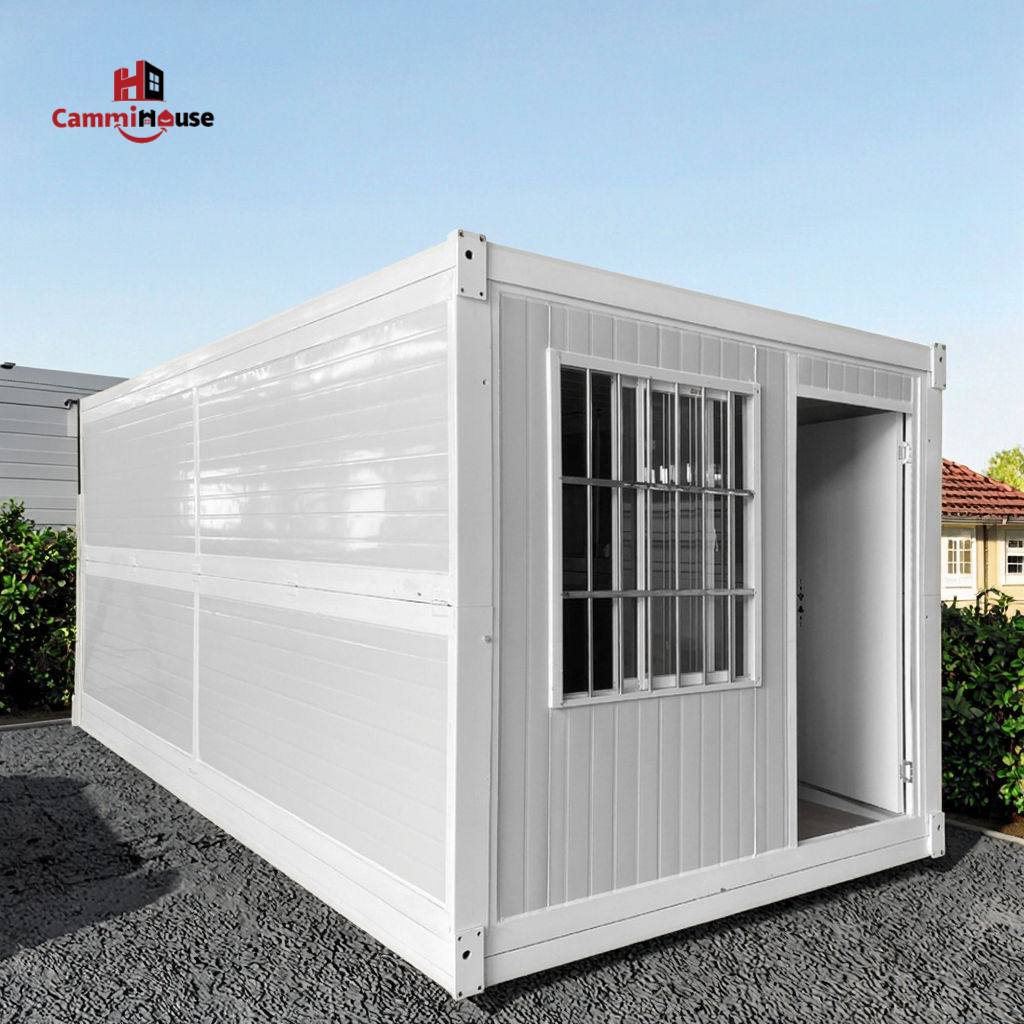
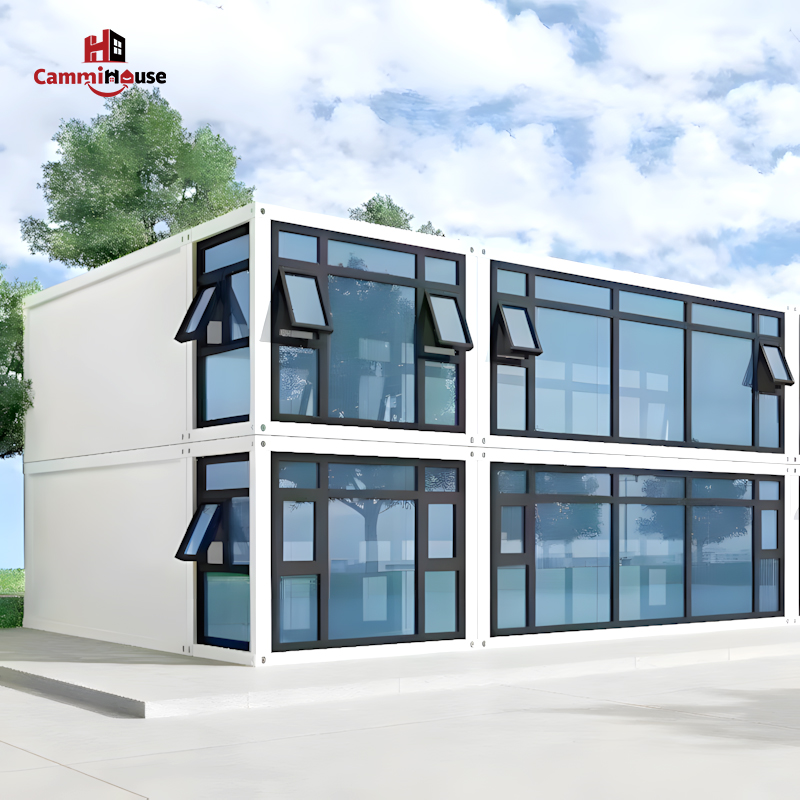
Prefabricated container homes are among the safest housing options for remote camps because they are engineered as welded steel boxes before they ever reach the site. A prefab container house leaves a controlled container house factory with structural welds, insulation, and wiring already tested, which removes most of the on-site variables that cause accidents at mines, oilfields, and Middle East construction projects.
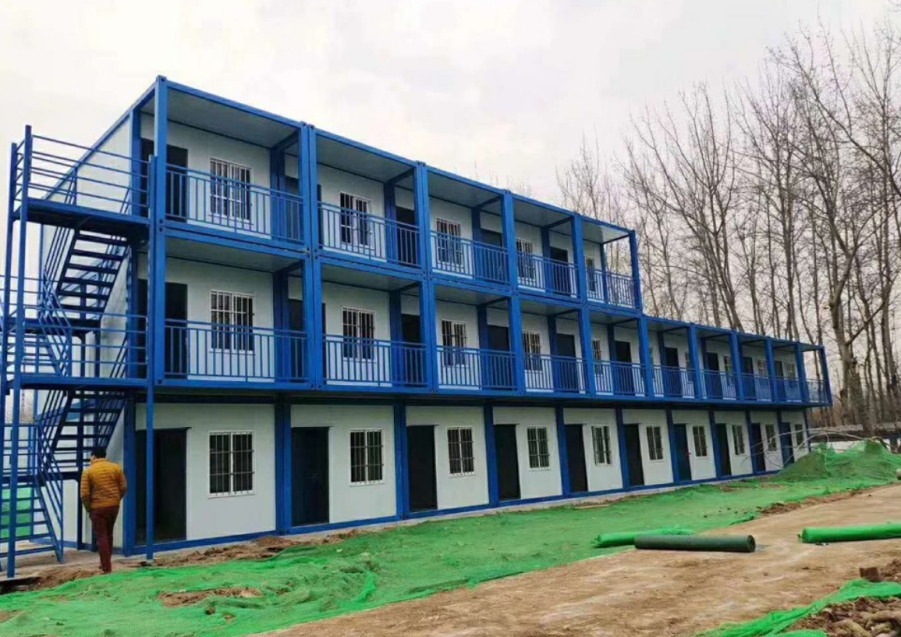
1. Why Remote Camps Need Engineered Housing
Remote camps need engineered housing because field-built shelters fail under wind, fire, and seismic loads that factory-tested steel units are designed to resist.
The risk profile of off-grid sites
Remote sites face hazards that ordinary tents and timber sheds cannot handle. According to the U.S. Bureau of Labor Statistics (2022), the construction sector recorded 1,069 fatal injuries, many tied to temporary structures and site conditions. A modern container home replaces improvised shelter with a load-rated steel frame, lowering exposure to collapse and fire in mines and desert worksites.
2. Structural Safety of Steel-Framed Units
Steel-framed container units are safe because corten and galvanized steel carry wind and seismic loads far beyond the limits of light timber camps.
Load ratings that matter in the field
A standard 20ft shipping container frame is built to stack up to 9 units high under ISO 1496 testing, proving compression strength well past single-storey camp use. A shipping container home reuses that same frame logic, so wind uplift in coastal Middle East zones and ground movement in mining regions are absorbed by the steel rather than the cladding.
3. Fire and Insulation Performance
Container homes improve fire and thermal safety because non-combustible steel shells and rock-wool cores slow flame spread and stabilise interior temperatures.
Material choices behind the data
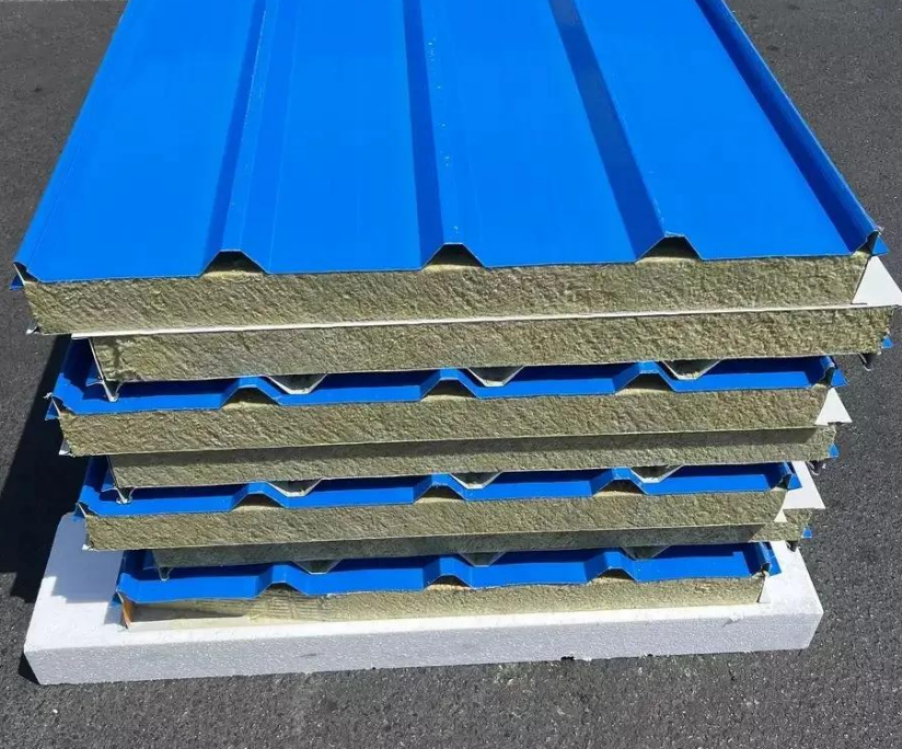
Rock-wool panels used in many units carry a Euroclass A1 non-combustible rating (EN 13501-1), meaning they do not feed a fire. In a 2024 Cammihouse project survey of camp deployments, units fitted with 75mm rock-wool cores held interior temperatures within a usable range during +45°C Gulf summers, reducing reliance on continuous cooling.
4. Speed of Deployment Reduces On-Site Risk
Faster deployment reduces risk because every hour workers are not exposed to an active, unfinished site is an hour of avoided hazard.
Factory hours vs. field hours
McKinsey (2019) found modular construction can cut project schedules by 20–50% versus traditional building. A modular container home arrives near-complete, so a 12-person dormitory block can be craned and bolted in days rather than weeks, shortening the dangerous window when crews live beside heavy machinery and open excavations.
5. Customisation for Climate and Function
Customisation makes camps safer because units can be matched to local climate, occupancy, and sanitation needs instead of forcing one design everywhere.
Tailoring layout to the mission
A custom container house can be configured as a 40ft dormitory for 12–20 workers, a clinic, or an ablution block with sealed plumbing. Smart container house designplaces bathrooms, kitchens, and emergency exits according to occupancy load, which matters when a single camp must house, feed, and treat staff far from any town.
6. Real-World Camp Case Studies
Real deployments confirm the safety case: container camps have served mines, oilfields, and large infrastructure projects with strong durability records.
From mine sites to a hotel camp
In Australian and African mining operations, steel modular camps are standard for fly-in workforces because they resist dust, heat, and rough handling. The same approach scales to a hotel camp model for remote tourism and oilfield accommodation, where comfort and fire safety must coexist. Cammihouse units have shipped to Gulf and African projects under these exact conditions.
7. Choosing a Reliable Manufacturer
Manufacturer choice is the decisive safety factor because weld quality, certified materials, and traceable specs vary widely between suppliers.
What to verify before ordering
Buyers should confirm steel gauge, frame thickness, insulation rating, and electrical standard in writing. Manufacturers such as Cammihouse publish unit specifications — frame thickness from 1.5mm to 3.0mm and EU/US wiring options — so a prefab container house can be matched to the destination code rather than guessed at on arrival.
8. Cost, Lifespan, and Total Safety Value
Container camps deliver strong safety value because a 25-plus-year steel lifespan spreads the cost of engineered protection across many deployments.
Counting the long-term return
The U.S. Department of Energy (2021) notes that well-insulated building envelopes cut heating and cooling energy by up to 30%, lowering generator load at off-grid camps. A reusable steel shipping container home can be relocated between sites for years, so the upfront investment in fire-rated, load-rated housing protects workers across the full asset life, not a single project.
FAQ
Q1: Are container homes safe for earthquake-prone remote camps?
Yes. The welded steel frame of a container unit flexes and redistributes seismic loads better than masonry or timber. Units anchored to a proper foundation meet local seismic codes, making them a sound choice for mining and oilfield camps in active zones.
Q2: How many workers can one container dormitory house?
A single 40ft modular dormitory typically houses 12 to 20 workers with bunk layouts. The exact number depends on local space-per-person rules, ventilation, and whether bathrooms and kitchens are built into the same unit or shared blocks.
Q3: How long does a prefab container camp last?
A galvanized steel container home lasts 25 years or more with basic maintenance. Because units are relocatable, the same camp can be redeployed across multiple projects, spreading both cost and safety value over a long service life.
By Justin Mercer, Cammihouse Technical Team.
