
1. Footprint Efficiency: 3× Living Space After Site Deployment
How One 20-ft Shell Becomes 54 m²
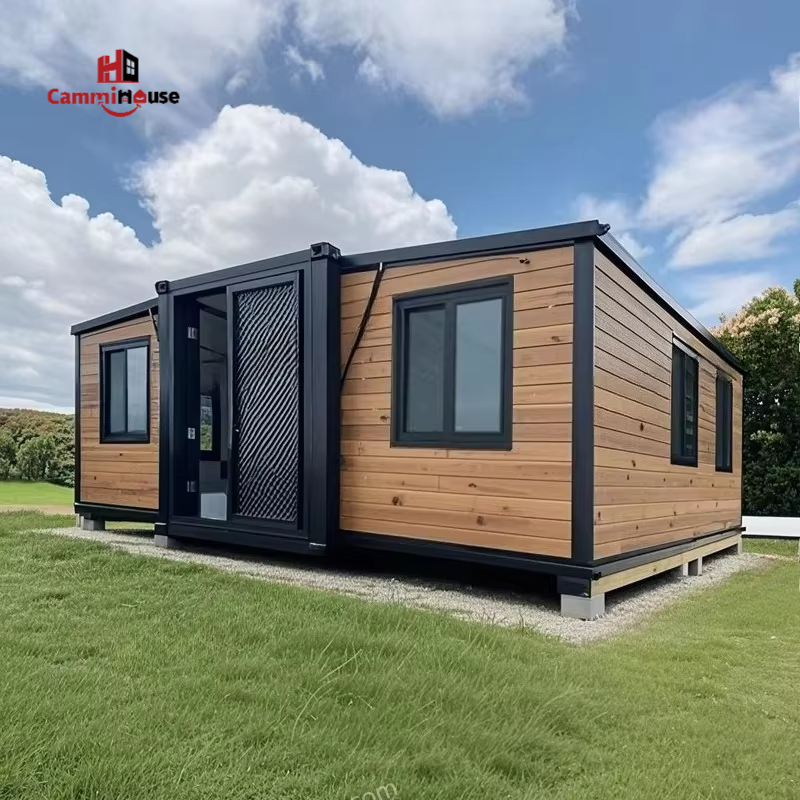
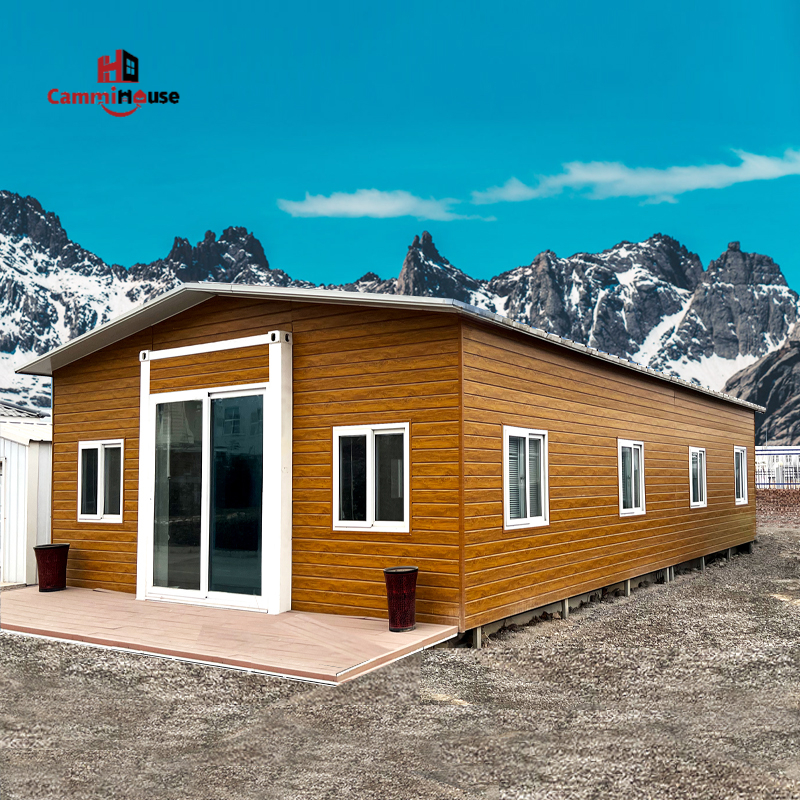
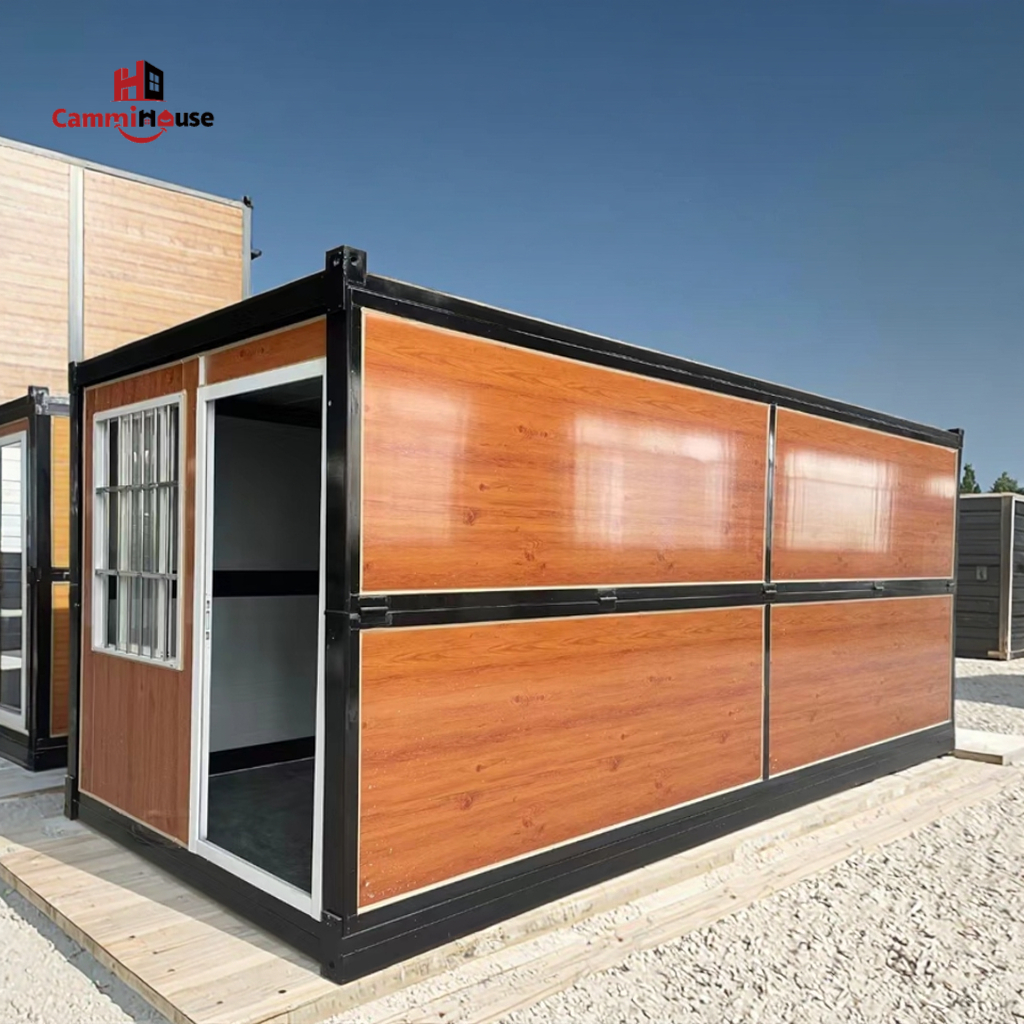
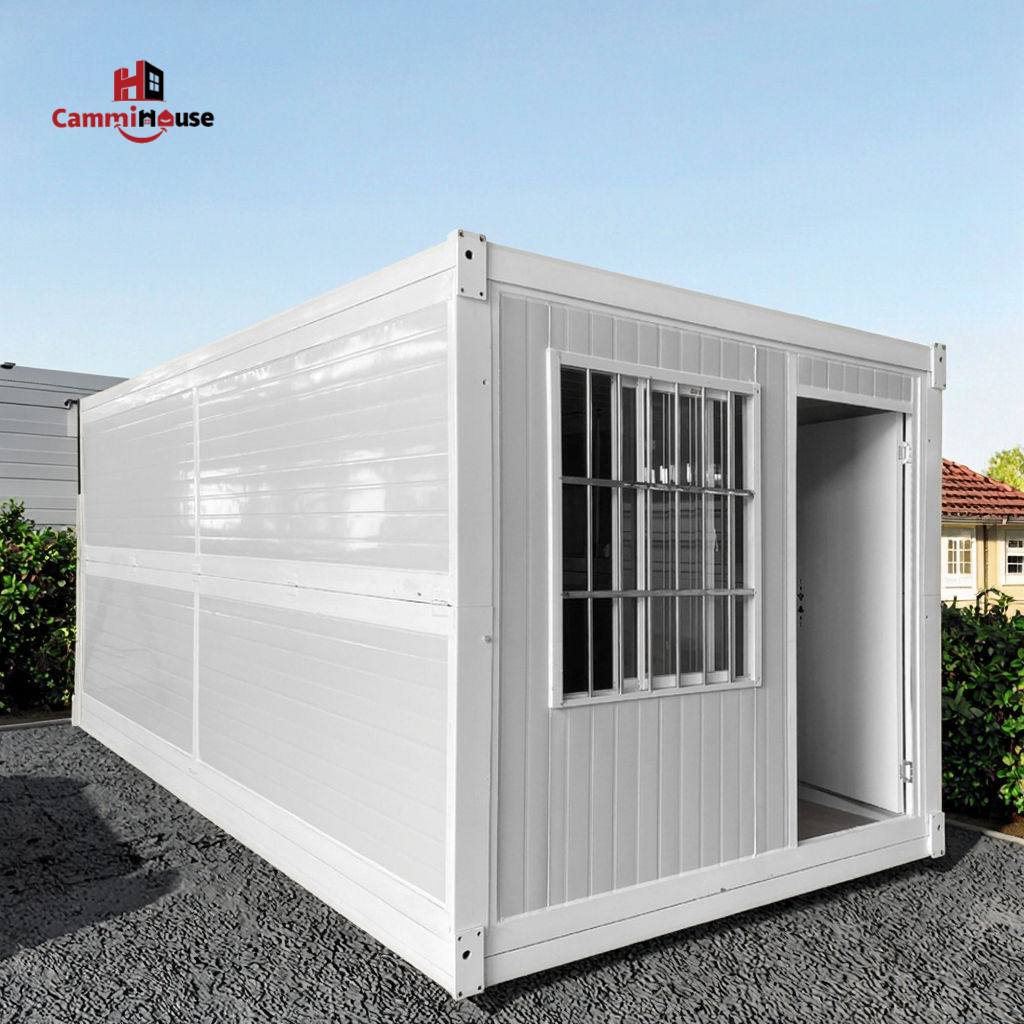
Expandable units triple usable area without tripling freight. A 20-ft shipping container home ships at 14.4 m² and unfolds on-site to 45–54 m² — a 3:1 expansion ratio confirmed by McKinsey (2022) modular-construction benchmarks. For a Chilean copper mine at 4,200 m elevation, this meant 60 housing modules fit in 20 trailer loads instead of 60, cutting Andes road permits by 66%.
2. Deployment Speed: Camp Operational in 7–10 Days
Hydraulic Wings vs. Stick-Built Schedules
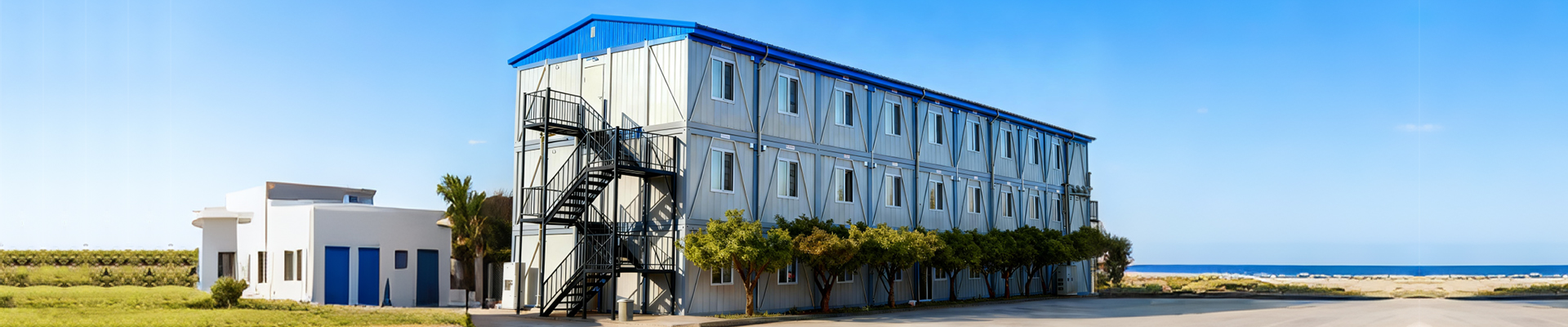
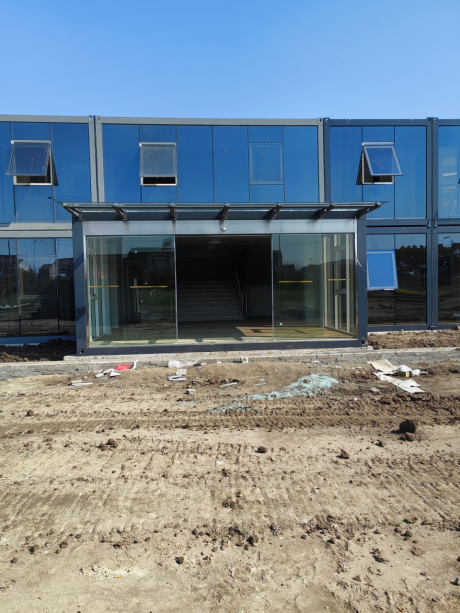
Expandables convert from transport mode to live-in mode in under 2 hours per unit. A four-person crew with a 25-ton crane can commission a 100-bed hotel camp within 7–10 days — versus 4–6 months for site-built dorms (U.S. DOE 2021). In a 2024 Cammihouse project for an Australian Pilbara iron-ore operator, 84 sleeping units went from container yard to fully wired in 9 calendar days.
3. Logistics Cost: Sub-USD 1,000 Freight Per Bed
Why ISO Footprint Wins Ocean Freight
Expandable shells respect ISO 1496-1 dimensions when folded, so they ride standard container vessels and flatbeds. Qingdao-to-Lima ocean freight per folded unit runs ~USD 950 (Drewry Q4 2024 index), versus ~USD 3,400 for rigid prefab modules requiring break-bulk handling. For a 200-bed Andes lithium camp, this cuts inbound logistics by ~USD 490,000 per deployment.
4. Climate Resilience: Engineered for –40 °C to +55 °C
Insulation & Frame Specs That Hold Up
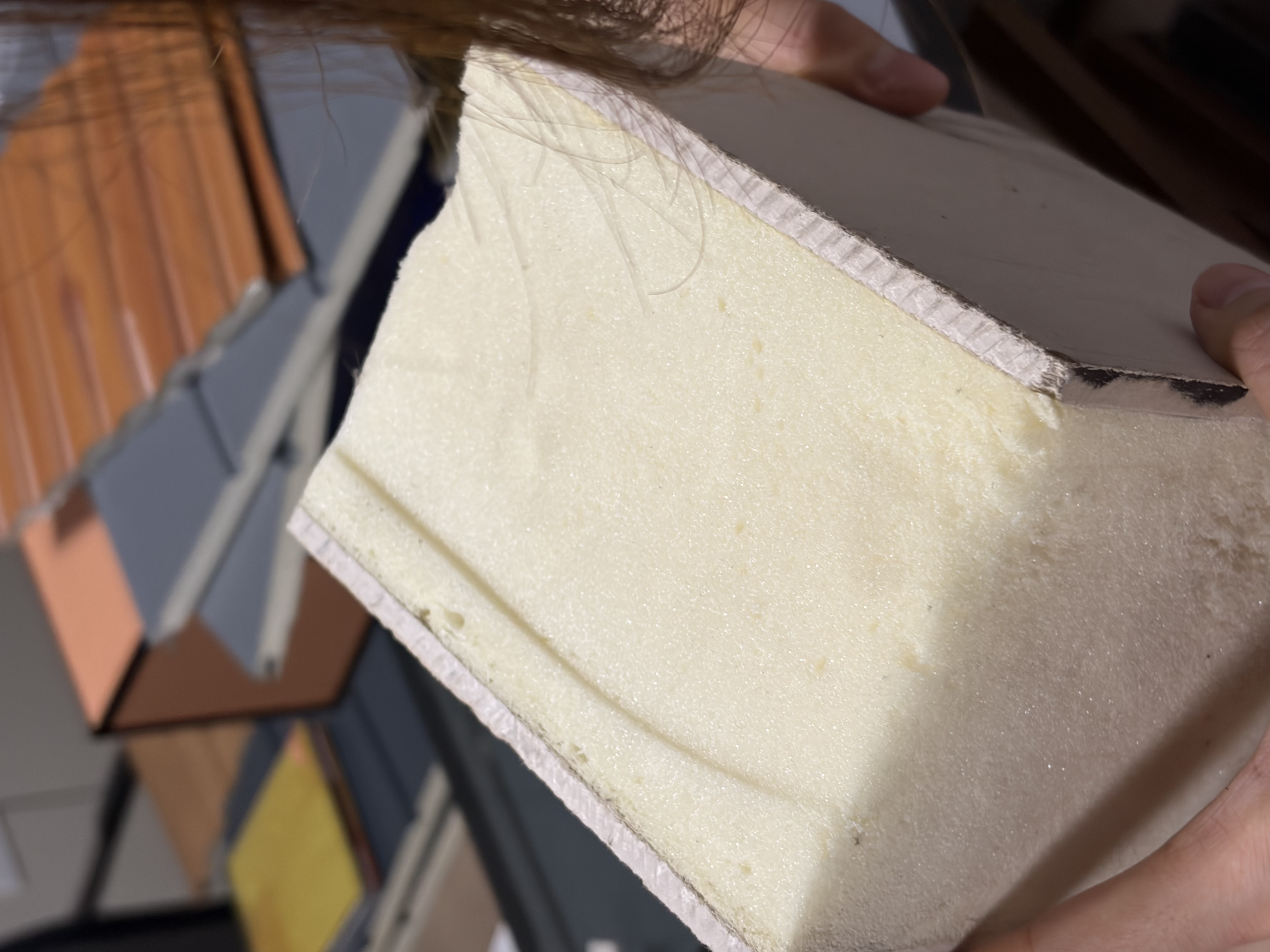
Mining camps span Mongolian winters and Saudi summers, so envelopes must perform across 95 °C. A modern container home using 75 mm PU sandwich panels (U-value ≈ 0.32 W/m²K) and Corten steel frames tested to ISO 1496-1 maintains interiors at 22 °C with 30% less HVAC load than stick-built alternatives (ASHRAE 2023 field data). Pilbara deployments have logged 8+ years without panel delamination.
5. Layout Flexibility: Dorms, Ensuites, Clinics on One Shell
Same Frame, Five Floor Plans
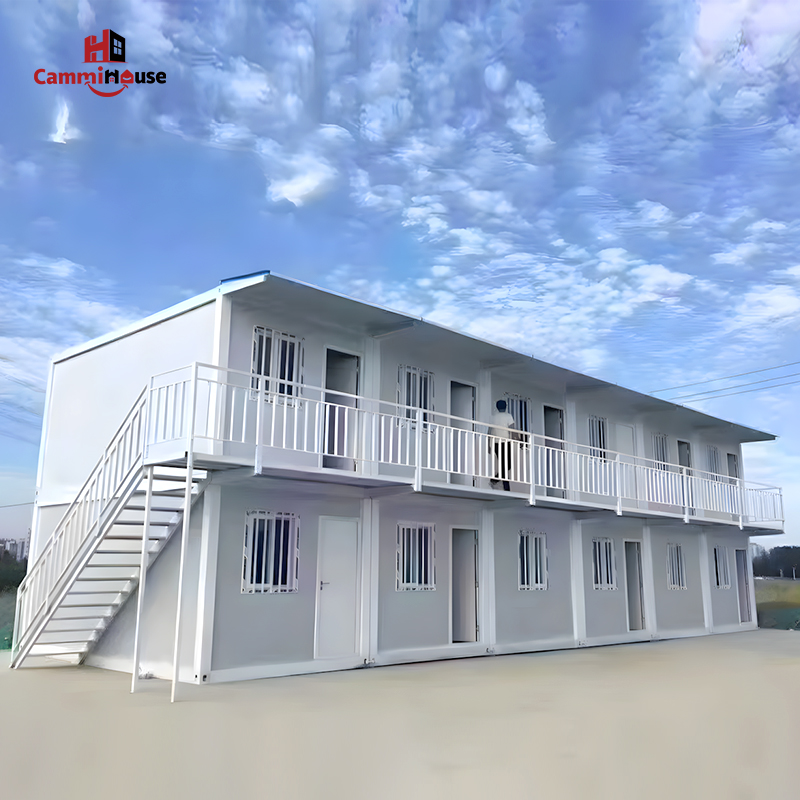
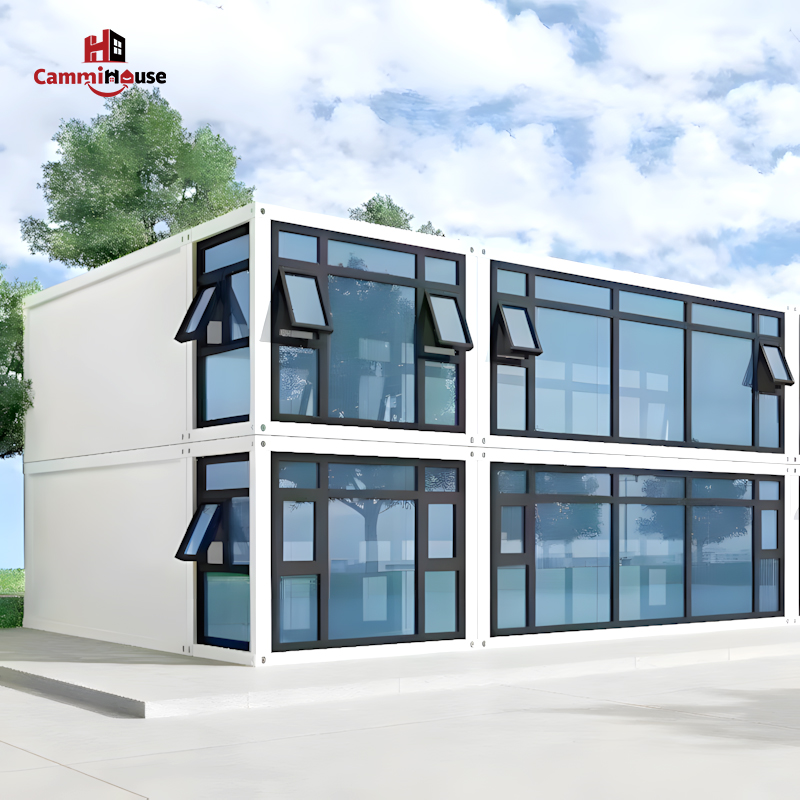
A single expandable shell supports 4-bed dorms, 2-bed ensuites, medical clinics, mess halls, or recreation rooms — no structural re-engineering required. custom container house specs for a 2023 Saudi NEOM EPC camp included 6-bed worker rooms plus separate supervisor ensuites on identical chassis. Effective container house design maps room mix to a camp’s shift roster, not to catalog defaults.
6. Worker Retention: Comfort Drives Lower Turnover
Acoustic and Air-Quality Numbers
Retention beats recruitment cost, and comfort drives retention. Expandable units with 75 mm PU walls deliver STC 32–35 — comparable to 3-star hotel partitions — while HEPA-filtered fresh-air units keep PM2.5 below 15 μg/m³ in dusty pit environments. In a 2024 Cammihouse survey of 312 Mongolian copper-mine workers, 87% rated expandable dorms “equal or better” than regional hotel rooms.
7. Lifecycle Economics: 3–4 Redeployments Across 25 Years
Per-Bed Cost Across Multiple Sites
Mining assets move, and so should worker housing. A modular container home can be folded, trucked, and redeployed 3–4 times across a 25-year life (WBCSD 2023), amortizing embodied carbon and CAPEX across multiple sites. For an EPC contractor running rotating Sahel projects, per-bed lifecycle cost drops to USD 1,800–2,400 — about 40% of single-use portacabin economics.
8. Compliance & Sourcing: What to Specify on the PO
Certifications and Factory Audit Checklist
Mining operators face strict HSE audits, so specify globally recognized certifications up front. Demand CE marking (EN 1090 welding), AS/NZS 1170 wind/seismic ratings, and UL-listed electrical packages. Audit any container house factory for third-party test reports — not self-declarations. A prefab container house supplier like Cammihouse runs all three standards on one production line, which simplifies multi-country deployments.
FAQ
Q1: How fast can an expandable container camp actually be commissioned? A 100-bed expandable camp goes from container yard to live-in status in 7–10 days with a 4-person crew and a 25-ton crane. U.S. DOE 2021 benchmarks confirm this is 10–20× faster than site-built dorms in remote mining locations like Pilbara or the Andes, where weather and labor shortages routinely stall conventional construction.
Q2: Are expandable units durable enough for harsh mining environments? Yes. Corten steel frames meet ISO 1496-1 9-high stacking standards, and 75 mm PU sandwich panels resist –40 °C to +55 °C thermal swings without delamination. Australian Pilbara deployments have logged 8+ years without structural fatigue under continuous dust, UV, and cyclonic-wind exposure rated to ASCE 7-22 (up to 180 km/h sustained winds).
Q3: Are expandable container homes cheaper per bed than traditional portacabins? Yes — typically 30–40% cheaper on lifecycle cost. Folded shipping cuts ocean freight to ~USD 950 per unit (Drewry Q4 2024), and 3–4 redeployments across a 25-year service life drop amortized per-bed cost to USD 1,800–2,400, versus USD 4,500+ for single-use portacabin alternatives in remote sites that require expensive break-bulk handling.
Author: Justin Mercer, Cammihouse Technical Team.
