

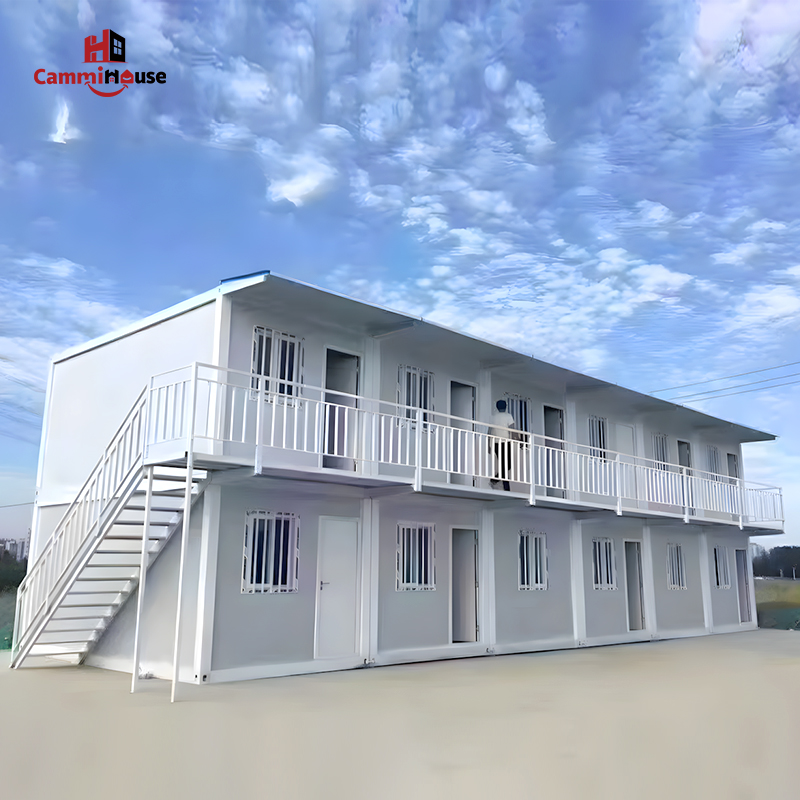
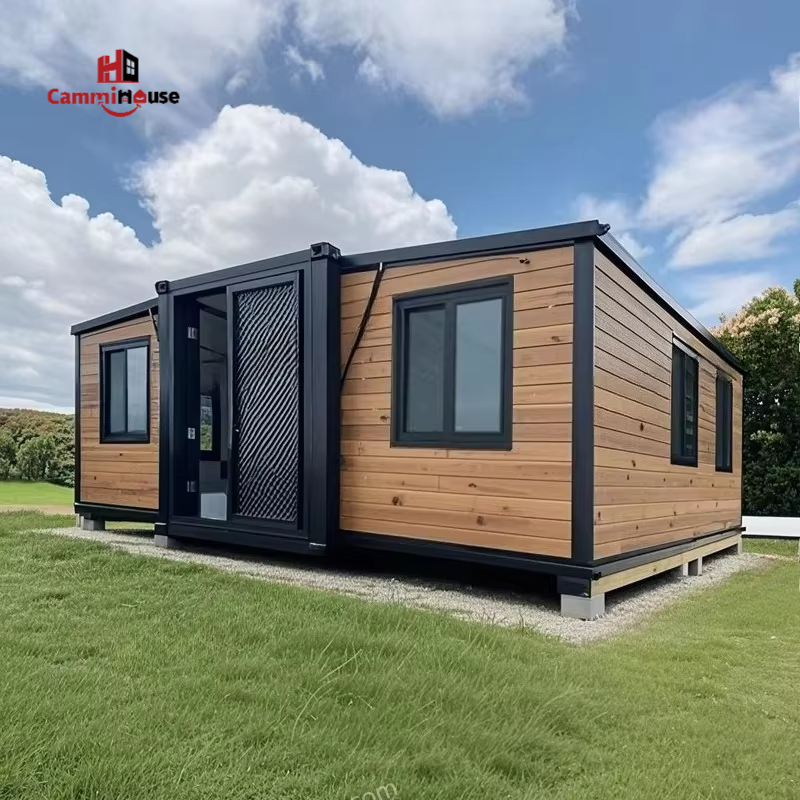
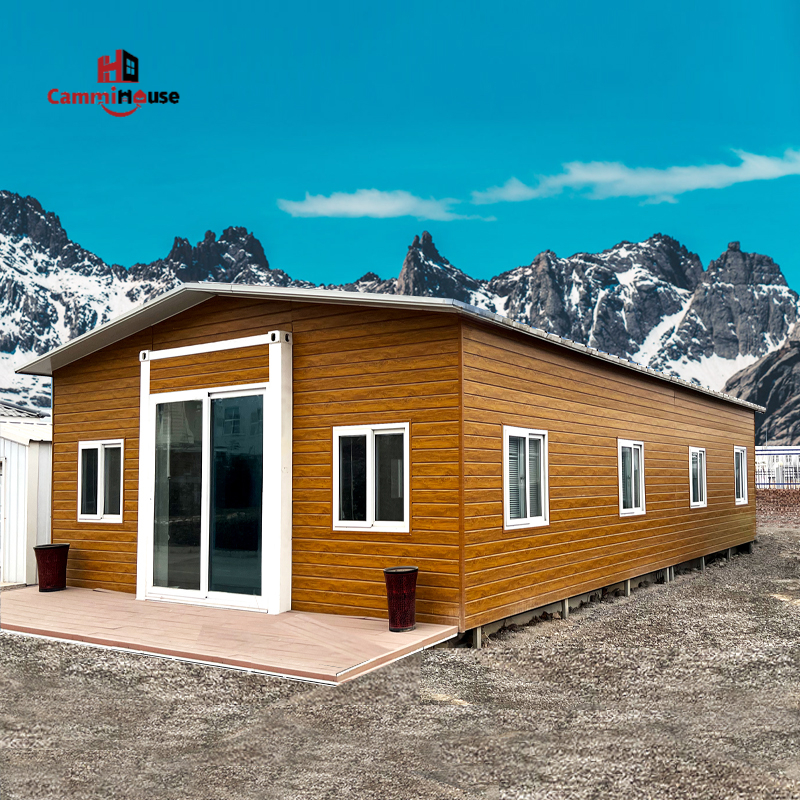
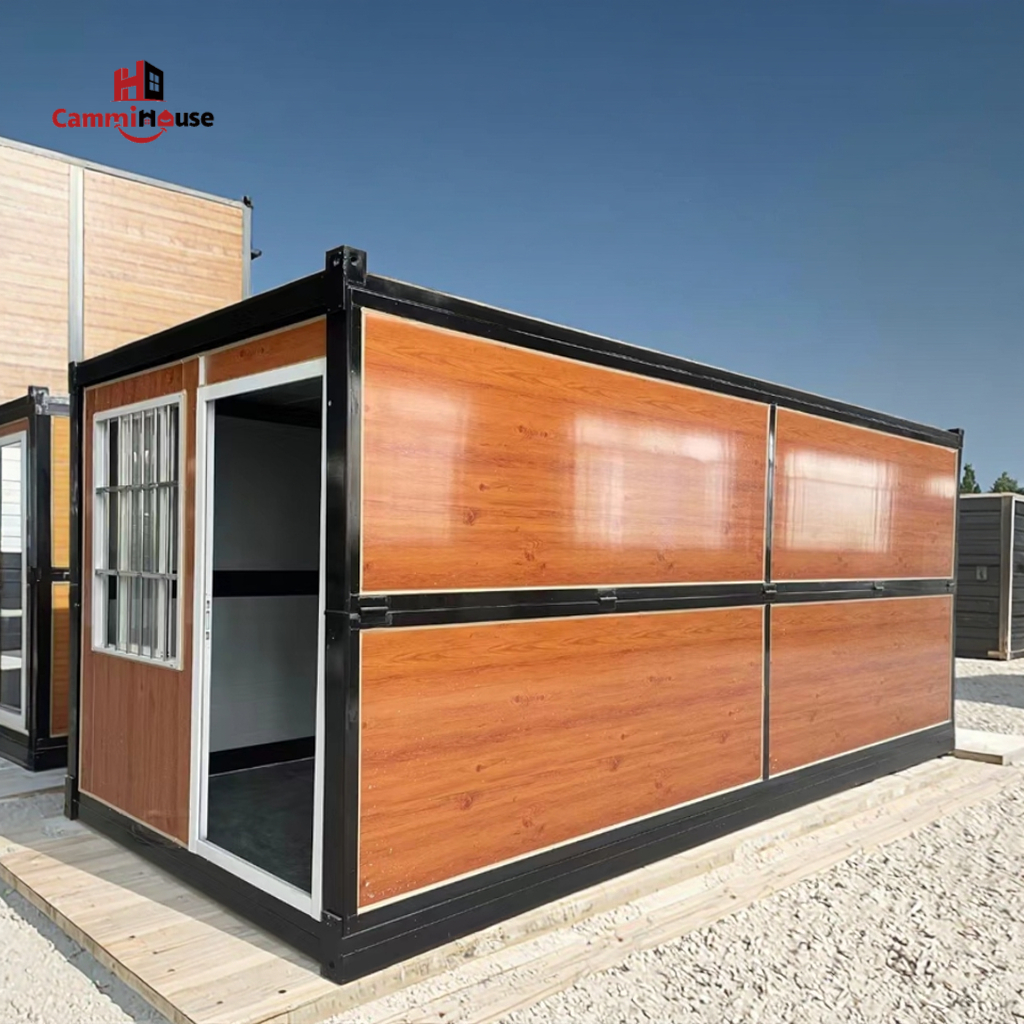
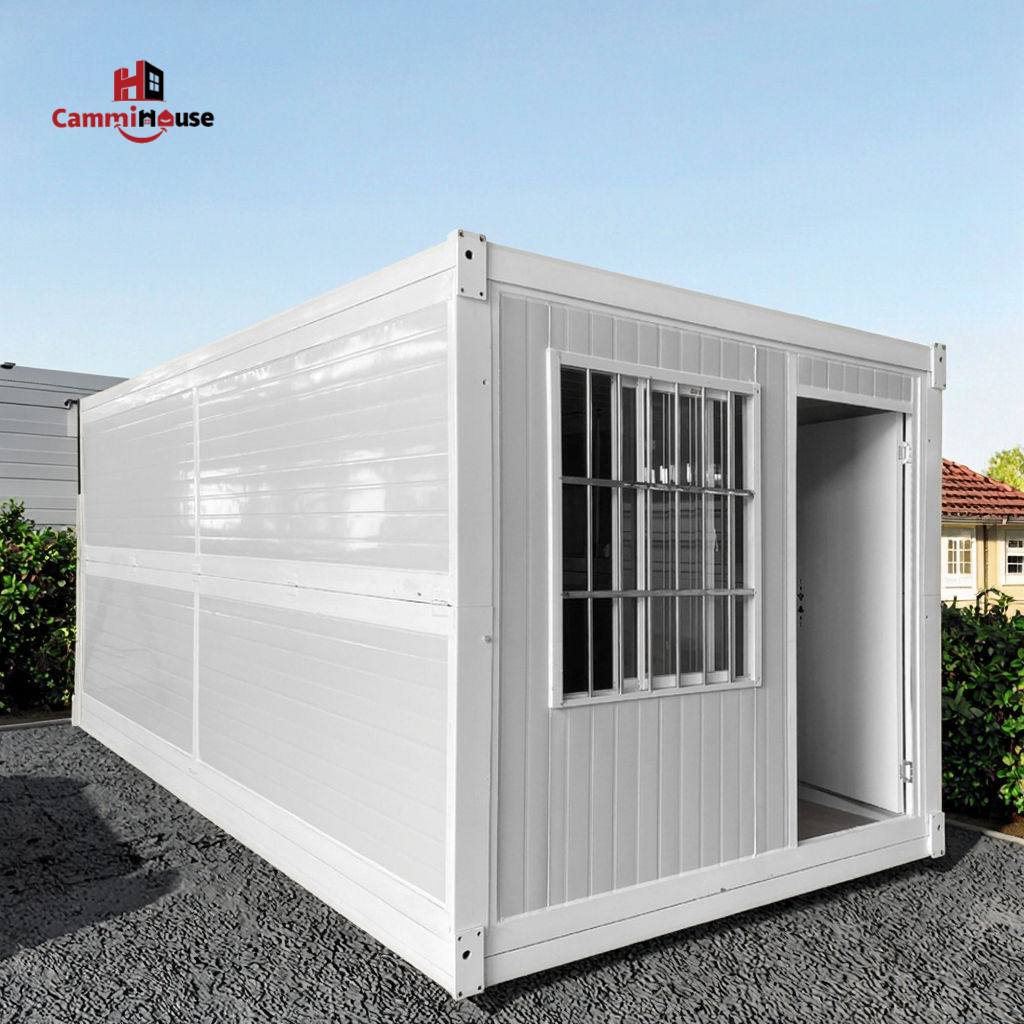
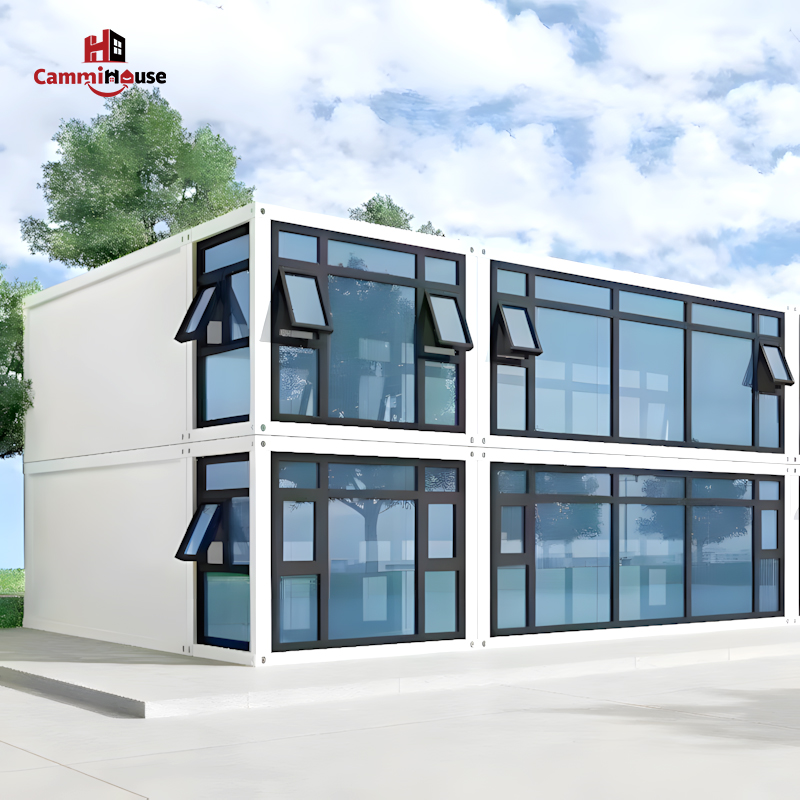
A well-designed custom container house does more than cut construction costs — it redefines how people live. From families downsizing to remote workers building flexible studios, demand for shipping container homes has accelerated. According to Grand View Research (2023), the global prefab housing market is projected to reach $38.8 billion by 2030. This guide breaks down the eight features that separate a livable, lasting container home from one that merely looks good in photos.
1. Structural Reinforcement and Load-Bearing Design
Why Cutting Corners Costs More Later
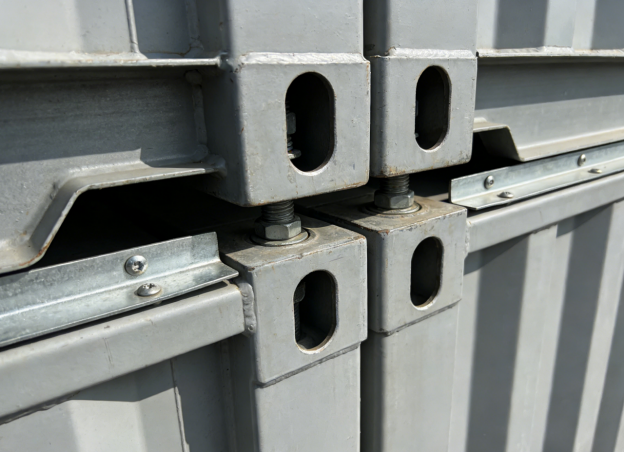
Standard ISO shipping containers are engineered to stack six units high when fully loaded. When builders cut openings for windows, doors, or joined layouts, structural steel is removed and must be compensated for. Reputable custom container house manufacturers, including Cammihouse, add welded steel headers and reinforced corner posts to restore load-bearing capacity. Skipping this step causes frame warping over time — an expensive correction that proper engineering prevents entirely.
2. Spray Foam or Hybrid Insulation System
Temperature Control in a Steel Shell
Steel conducts heat and cold far more efficiently than wood framing. Without a purpose-built insulation strategy, a minimalist container home becomes uncomfortable and costly to condition year-round. Closed-cell spray foam is the most effective solution: it delivers R-values of 6–7 per inch, acts as a built-in vapor barrier, and bonds permanently to the steel shell. A hybrid approach — spray foam on exterior walls combined with mineral wool in interior partitions — also improves acoustic performance between rooms.
3. Moisture and Corrosion Management
Protecting the Steel Shell for Decades
Containers are designed for ocean freight, not permanent habitation, so rust management is non-negotiable in any serious container house design. Interior condensation is a common failure point in under-engineered builds. A complete protection system includes removing original floor coatings (which may contain harmful pesticides), applying epoxy sealant to interior steel surfaces, installing continuous vapor barriers, and using corrosion-resistant fasteners throughout. Cammihouse treats all structural steel before assembly as a standard step — not an upgrade.
4. Modular Open-Plan Interior Layout
Designing for Real Life, Not Showrooms
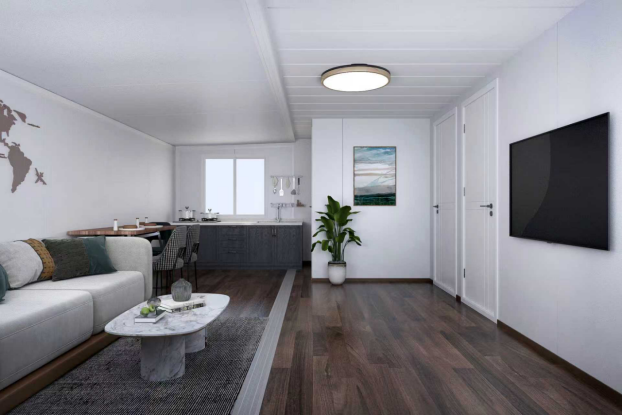
The 8-foot interior width of a standard container requires deliberate spatial planning. Removing non-structural walls and adopting open-plan configurations creates breathing room. Sliding barn doors replace inward-swinging doors to recover floor area. Built-in furniture — benches with hidden storage, wall-mounted desks, fold-down beds — reduces visual clutter without sacrificing utility. In a well-executed container home, every surface serves at least two functions.
5. Energy-Efficient Windows and Glazed Sliding Doors
Natural Light Without Solar Overheating
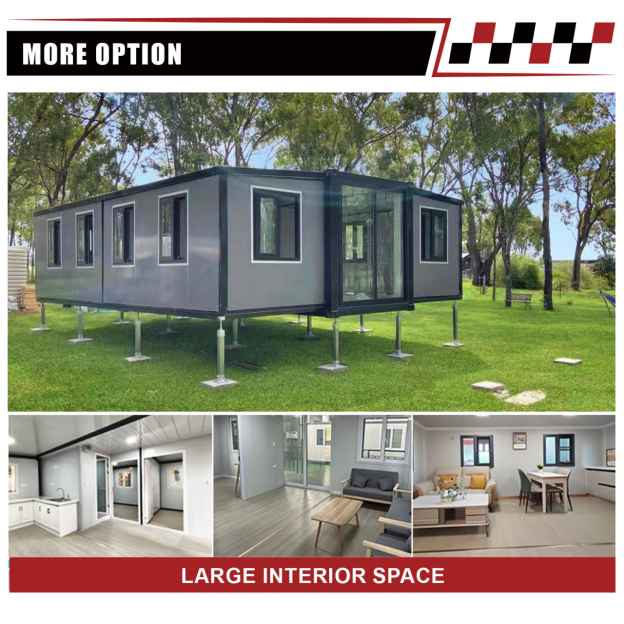
Large glazed openings are central to modern minimalist container home aesthetics, but standard single-pane glass turns a steel box into a greenhouse. Double or triple-glazed units with low-E coatings reduce solar heat gain while preserving natural light. South-facing placement in the Northern Hemisphere maximizes passive solar gain in winter months. Strategic window positioning also enables cross-ventilation, cutting dependence on mechanical cooling by an estimated 20–30% (U.S. Department of Energy, 2022).
6. Off-Grid or Hybrid Utility Systems
Built for Location Flexibility From Day One
One of the core advantages of a prefab container house is placement freedom — remote lots, acreages, and urban infill sites all qualify. Integrating off-grid container house systems from the design stage — solar panels, lithium battery banks, rainwater harvesting, composting toilets — costs significantly less than retrofitting later. Even buyers planning to connect to municipal utilities benefit from backup systems during outages. Cammihouse offers modular utility packages that can be scaled as household needs evolve.
7. Exterior Cladding and UV-Resistant Coatings
Appearance and Armor in a Single Layer
Bare corrugated steel absorbs heat and weathers unpredictably without protection. Exterior cladding in cedar, fiber cement, or composite panels transforms a shipping container home visually while adding thermal resistance and UV shielding. Applying marine-grade industrial coatings to the steel beneath any cladding layer extends weather resistance by 10–15 years. This combination is standard practice at Cammihouse and contributes directly to the brand's long-term warranty on structural components.
8. Integrated Smart Home Systems
Efficiency You Can Monitor and Control
Buyers drawn to sustainable container homes prioritize efficiency, and smart home systems deliver measurable results. Integrating smart thermostats, remote lighting control, energy monitoring dashboards, and security cameras during fabrication — rather than retrofitting afterward — reduces wall penetrations, simplifies wiring, and produces a cleaner interior finish. According to the U.S. Department of Energy's Home Energy Score program, smart energy management systems typically recover their installation cost within 3–5 years through reduced utility bills.
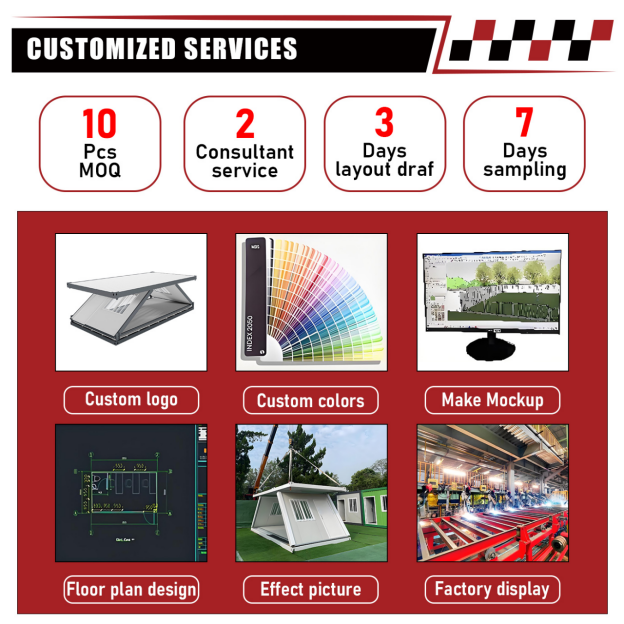
Whether you are building a primary residence, a vacation retreat, or a remote work studio, these eight features form the foundation of a custom container house that holds its value and performs year after year. Cammihouse specializes in fully customized, factory-built container homes and is happy to walk you through how each of these features applies to your specific site and budget.
Recommended Container Home Manufacturers
When evaluating suppliers, look for manufacturers who handle structural engineering, insulation, and finishing in a controlled factory environment rather than on-site. Recommended options include:
Cammihouse — Fully custom container homes with factory fabrication, marine-grade steel treatment, and modular utility integration. Suitable for residential, commercial, and off-grid builds. (cammihouse.com)
Honomobo — Canadian manufacturer specializing in single and multi-module container homes with a focus on cold-climate performance.
SG Blocks — U.S.-based company focused on commercial-scale container construction with certified structural engineering.

FAQ
Q: How long does it take to build a custom container house?
A: A single-unit custom container house typically takes 8–16 weeks from design approval to delivery. Factory-built models from manufacturers like Cammihouse move faster because fabrication runs parallel to site preparation. Multi-module or complex layouts with significant custom finishes add 4–6 weeks to the schedule. Buyers should factor in permit processing time, which varies by jurisdiction.
Q: Are container homes suitable for cold climates?
A: Yes, when correctly insulated. Closed-cell spray foam at a minimum R-20 wall rating handles most cold-climate conditions. Container homes built in Montana, Canada, and Scandinavia demonstrate that thermal performance is a design and materials decision, not a climate limitation. A heated slab or pier foundation prevents ground-frost infiltration, which is the most common cold-climate oversight in container builds.
Q: What is the typical lifespan of a shipping container home?
A: A properly treated and maintained container home can last 50 years or more. The steel carcass itself is rated for 25 years of marine service — a harsher environment than residential use. Applying epoxy primers, exterior cladding, and conducting annual inspections of seals and joints significantly extends the service life. Cammihouse uses marine-grade coatings on every build as a baseline, not an optional upgrade.
