

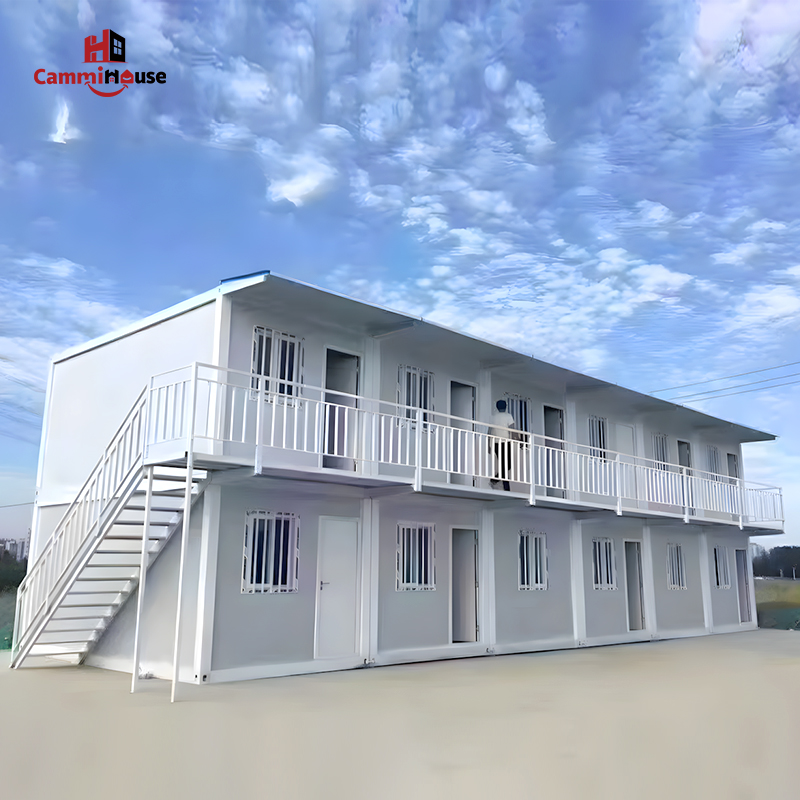
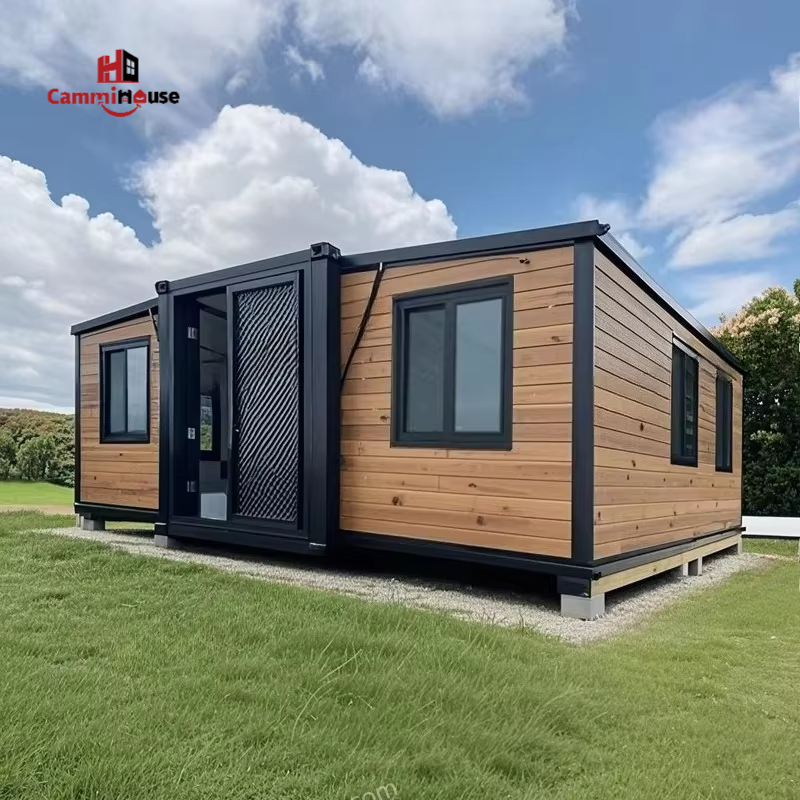
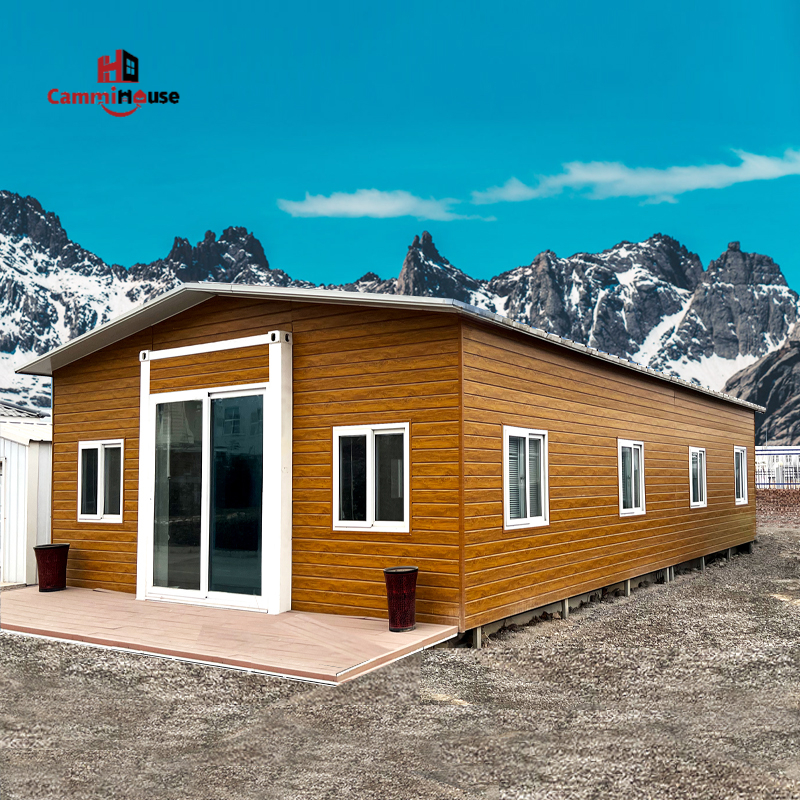
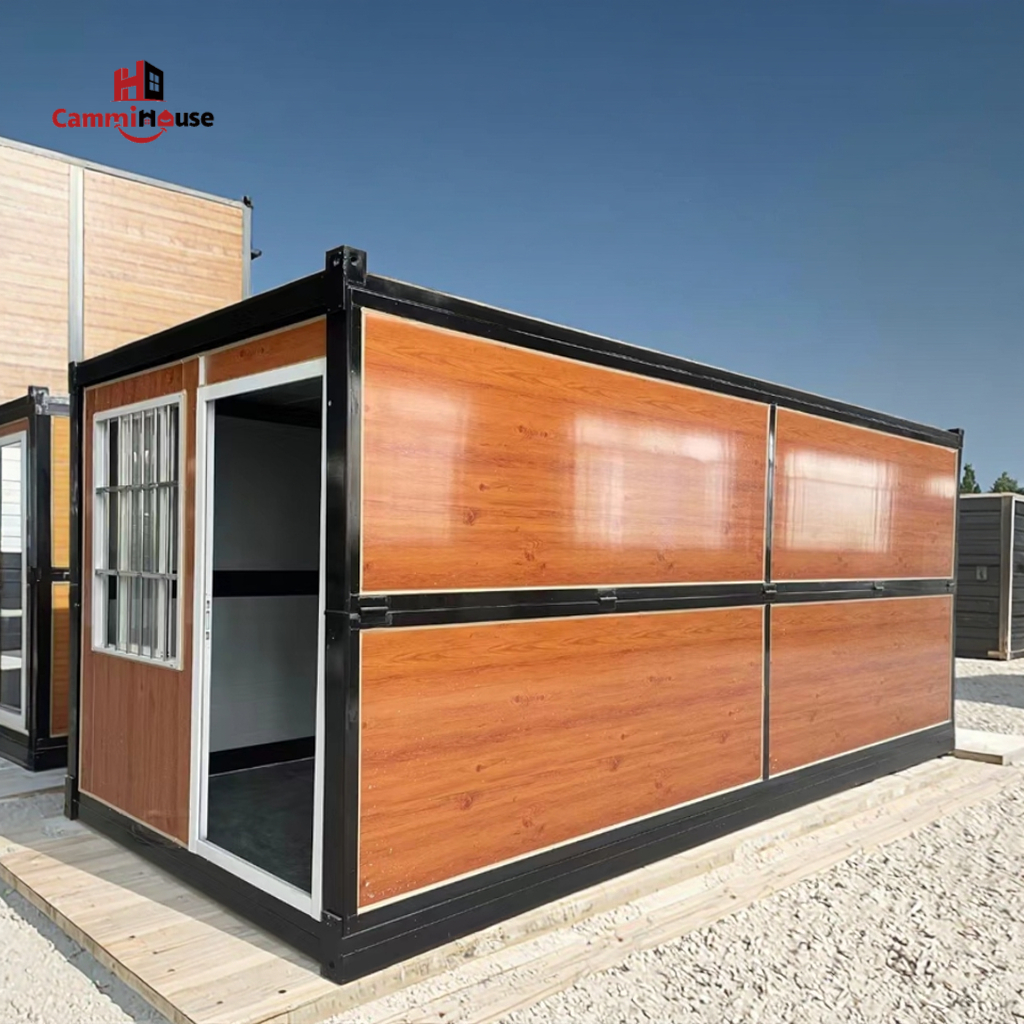
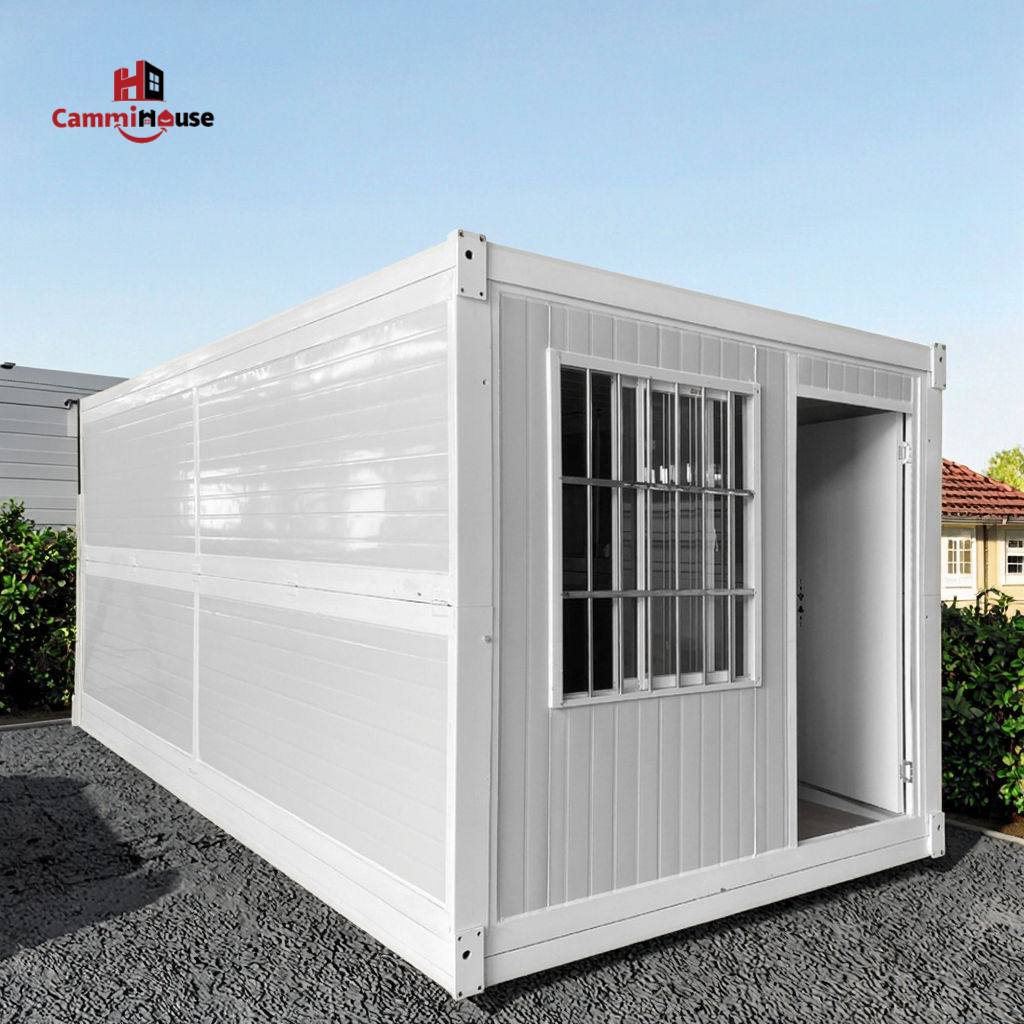
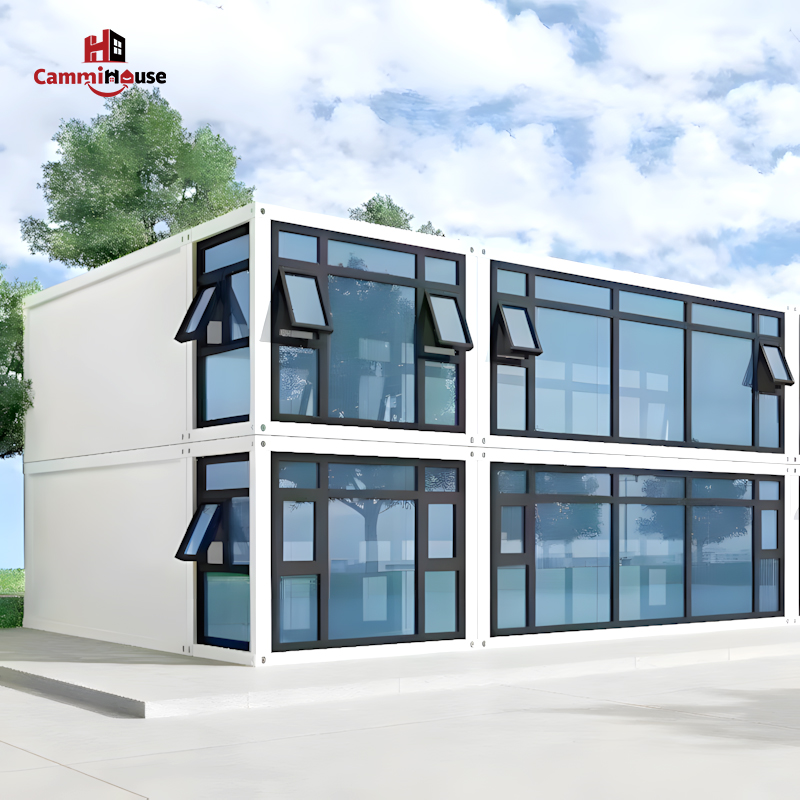
First-time builders consistently lose money and time on the same preventable errors. A custom container house is not complicated to build, but it has specific technical requirements that differ from conventional timber-frame or masonry construction. The seven mistakes below account for the majority of cost overruns and structural problems reported by owner-builders and small developers. Knowing them before you break ground is cheaper than learning them during the build.
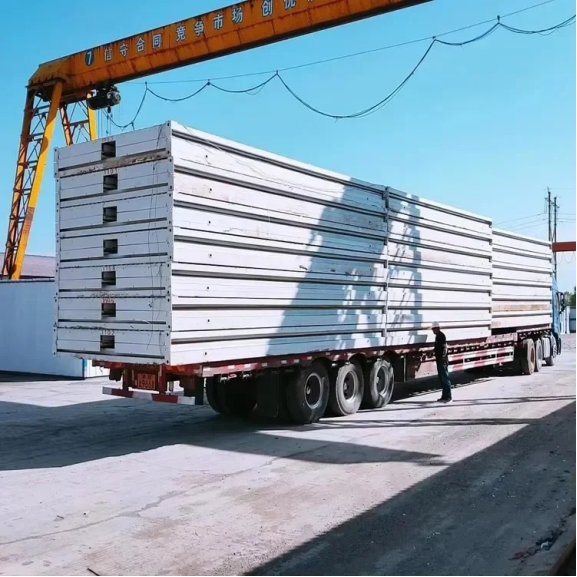
Mistakes That Happen Before Construction Starts
Mistake 1: Skipping a Geotechnical Site Survey
The most expensive container house build errors begin with the ground beneath the slab. Soft soil, high clay content, or a seasonal water table that rises within 60 cm of grade all require engineered foundation solutions that add $5,000–$20,000 to project cost. A basic geotechnical survey costs $500–$1,500 and eliminates guesswork. Builders who skip this step and pour a standard concrete pad on unsuitable ground report foundation settlement within 12–24 months — a repair that costs more than the survey would have.
Mistake 2: Buying a Container Without Inspecting It in Person
Container grade labels — CW (cargo worthy), WWT (wind and watertight), AS-IS — describe condition at time of grading, not at time of delivery. A container graded WWT six months ago may have developed floor rot or frame distortion in storage. For a shipping container home, inspect the floor panels for soft spots, check all four corner castings for cracks, and open the doors fully to verify they swing and seal without binding. Buying from a photo alone is the single most common sourcing mistake first-time builders make.
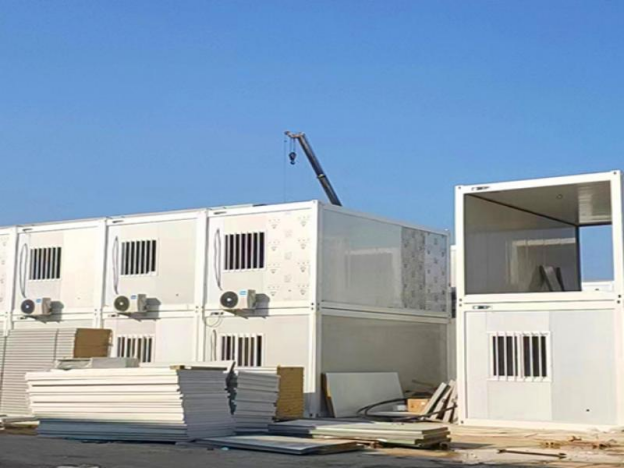
Design and Planning Errors That Compound Through the Build
Mistake 3: Ignoring Thermal Bridging at the Steel Frame
Steel conducts heat 400 times faster than timber. In a container house insulation system, any steel surface that runs continuously from interior to exterior — unbroken by a thermal break material — creates a condensation point and energy loss that no HVAC system can fully compensate for. The fix is simple: spray foam applied directly to the interior steel surface before framing, or exterior cladding with a continuous rigid foam layer. Builders who frame interior walls directly against bare steel without thermal breaks report persistent condensation and mold within one to two winters.
Mistake 4: Underestimating Local Permit Requirements
A prefab container house is still a permanent structure in the eyes of most municipal building departments. Zoning classification, setback requirements, height limits, and utility connection rules all apply regardless of how the unit was manufactured. In some counties, container homes must meet the same IRC (International Residential Code) requirements as site-built homes. Buyers who assume a factory-built unit bypasses permitting lose weeks — sometimes months — when code officials halt the project at foundation stage. Confirm permit requirements with your county planning office before placing an order.
Mistakes Made During the Build Phase
Mistake 5: Cutting Structural Members Without Engineering Review
The corrugated walls and roof of a standard shipping container are not structural — they are cladding. The four corner posts and bottom rail carry all the load. Any cut into a corner post, bottom rail, or top rail for a window or door opening must be compensated with a structural steel header and, for openings wider than 90 cm, a structural engineering stamp in most jurisdictions. DIY container house builders who self-design large window openings without engineering review have reported visible frame deflection under roof load within months of completion.
Mistake 6: Routing Plumbing Before Insulation and Framing Are Complete
In a container home design where spray foam insulation is used, plumbing lines installed before foam application become inaccessible for repair without cutting out cured foam. The correct sequence is: steel preparation and priming first, spray foam application second, interior framing third, mechanical rough-in fourth. Builders who reverse steps two and three typically face access problems when any supply or drain line needs service within the first five years.
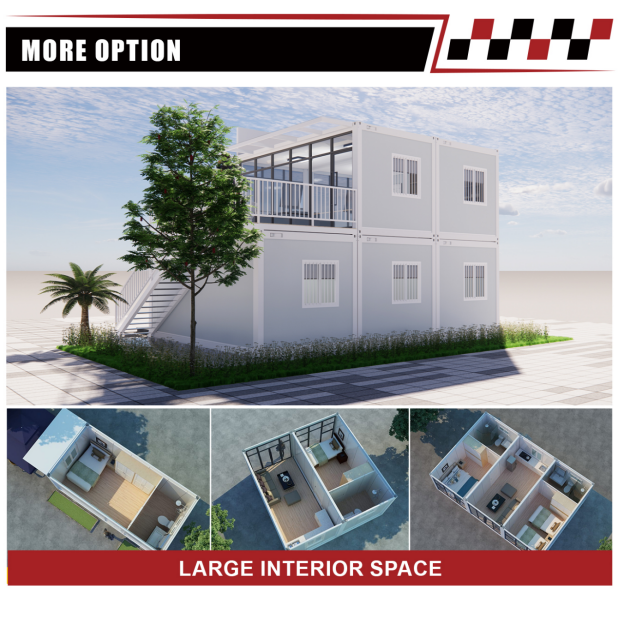
The Post-Planning Mistake Most First-Time Buyers Make
Mistake 7: Choosing a Supplier Based on Price Alone Without Factory Verification
The affordable container home market includes manufacturers at every quality level. Price alone is not a reliable indicator. Before committing to any supplier, request a factory production video, an itemized specification sheet, and references from buyers in your region. CammiHouse publishes full model specifications for each of its container home series — including wall section details, insulation thickness, electrical load capacity, and structural load ratings — before buyers sign a contract. For first-time buyers, this documentation reduces the risk of receiving a unit that does not match the agreed specification.
Buyers sourcing a custom container house from CammiHouse also benefit from pre-production design confirmation — floor plan, window and door placement, interior finish level — which eliminates the most common post-delivery disputes. Factory-built units with documented specifications are easier to permit, easier to insure, and easier to resell than site-modified containers with no paper trail.

Frequently Asked Questions
Q1: What is the most expensive mistake in a container house build?
Foundation errors caused by skipping a site survey are consistently the most expensive to correct after the fact. Retrofitting a failed foundation under a placed container requires lifting equipment and structural work that costs more than the original survey. For any container house build, a geotechnical survey and a permit consultation are the two non-negotiable pre-construction steps.
Q2: Can I insulate a container house myself to avoid thermal bridging?
DIY spray foam kits are available for small areas but require proper respiratory protection, correct ambient temperature during application, and even coverage to eliminate gaps. For a full container house insulation job, professional spray foam application is more reliable. CammiHouse factory units ship with insulation pre-applied and tested, which eliminates the thermal bridging risk before delivery.
Q3: Does CammiHouse provide structural documentation for permit applications?
CammiHouse provides a full technical package with each order, including structural load calculations, wall section details, electrical schematics, and plumbing diagrams. This documentation is formatted to support building permit applications in most jurisdictions. Buyers requiring jurisdiction-specific engineering stamps should advise CammiHouse at the time of order so the correct documentation can be prepared.
