

By Justin Mercer, Cammihouse Technical Team
1. Initial Cost Difference Defines Your Entry Point
Used containers cost 30–50% less upfront, but require modification
Used units immediately reduce capital pressure, often priced between $1,500–$3,500, while new “one-trip” containers range from $4,500–$7,000 (Drewry Shipping Index 2023). For budget-driven builds like worker camps or temporary site offices, used boxes are practical.
However, corrosion treatment, repainting, and structural patching can add $2,000–$5,000. In a 2024 Cammihouse project survey across Southeast Asia, 38% of used container buyers underestimated refurbishment costs.
Conclusion: Used containers are cheaper upfront, but total cost can narrow after repairs.
2. Structural Integrity Impacts Long-Term Value
New containers offer predictable load performance and lifespan
A new container maintains full structural rating (up to 192,000 lbs stacking capacity per ISO standards), while used units may have fatigue or hidden deformation. This matters for multi-level builds or modular container home systems.
In mining camps in Australia, operators prefer new units due to safety compliance requirements.
Conclusion: Structural certainty makes new containers safer for permanent housing.
3. Modification Costs Are Often Overlooked
Used containers require more cutting, cleaning, and reinforcement
Transforming a shipping container home involves cutting openings, adding insulation, and reinforcing frames. Used units often need sandblasting and chemical cleaning, especially if prior cargo is unknown.
According to U.S. EPA guidelines (2022), decontamination is required if containers carried hazardous goods.
Conclusion: Modification costs can erase initial savings from used containers.
4. Insulation Performance Depends on Base Condition
New containers improve efficiency in climate-sensitive regions
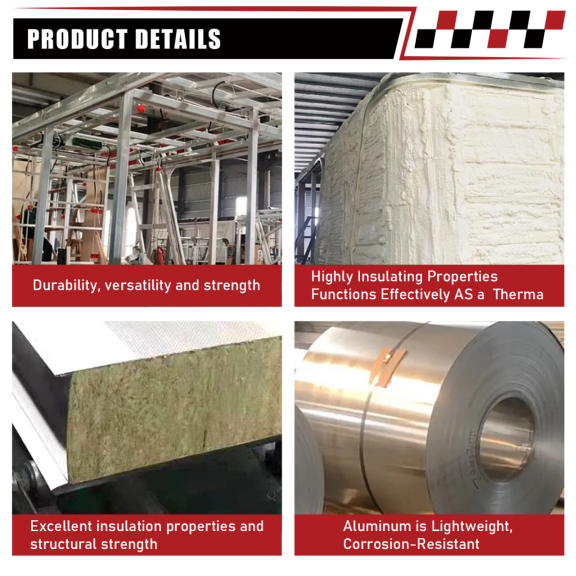
Thermal performance is critical for container home insulation. Used containers often have compromised seals, leading to heat leakage.
U.S. DOE (2021) reports that poor insulation can increase energy consumption by 20–30%. In Middle Eastern projects, new containers reduce HVAC load significantly.
Conclusion: New containers deliver better insulation consistency and lower energy costs.
5. Design Flexibility Affects Customization
New containers simplify modern architectural layouts
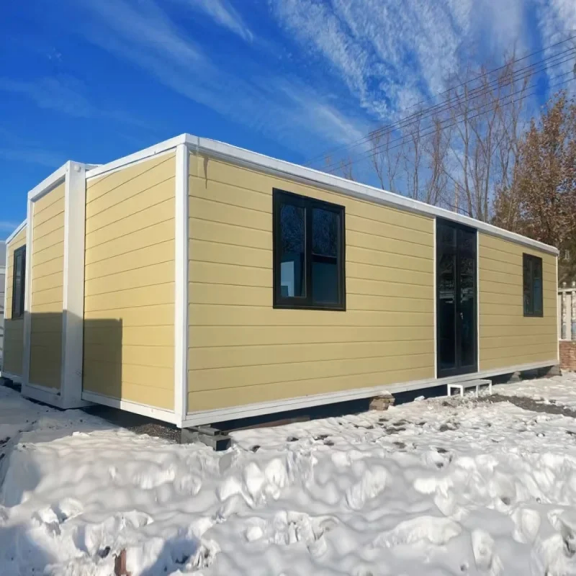
For modern container home or minimalist container house designs, clean surfaces and uniform dimensions matter. Used units may have dents or warped panels, limiting design precision.
In high-end residential projects in California, architects often reject used containers due to aesthetic inconsistencies.
Conclusion: New containers provide better design flexibility and cleaner finishes.
6. Compliance and Certification Requirements Matter
New containers meet building codes more easily
Many regions require certification for residential use. A certified prefab container house built from new units simplifies approval processes.
In the U.S., ICC and local zoning laws often require proof of structural integrity, which used containers lack without inspection reports.
Conclusion: New containers reduce regulatory friction and approval time..
7. Lifecycle Cost Determines Real ROI
Total ownership cost favors new containers in long-term use
While used containers save initially, maintenance, repainting, and structural fixes add recurring costs. McKinsey (2022) notes lifecycle cost can exceed initial savings by 15–25% over 10 years.
In a 2024 Cammihouse project in the Middle East, clients choosing new units reduced maintenance costs by 22% over five years.
Conclusion: New containers offer better ROI for long-term housing.
8. Manufacturer Choice Influences Final Outcome
A reliable container house factory ensures quality regardless of container type
Working with an experienced custom container house supplier is critical. A skilled manufacturer can assess used containers properly or optimize new ones for modular builds.
Cammihouse projects typically include pre-engineered framing and standardized modules, reducing on-site errors.
Conclusion: The manufacturer matters as much as the container itself.
FAQ
1. Q: Do your products comply with US local building codes (e.g., IRC, IBC)?
Yes, we can customize designs to meet specific state codes. We provide structural calculations signed by engineers if required.
2. Are the electrical and plumbing components UL or ETL/CSA certified?
All electrical wires, sockets, and plumbing fixtures used in our US-bound units are UL/UPC certified to ensure they pass local inspections.
3. Can you provide a "Third-Party Factory Inspection Report" or a "Manufacturer’s Data Plate"?
Yes, we can arrange SGS/Intertek inspections and attach a permanent data plate specifying the structural loads and insulation ratings.
