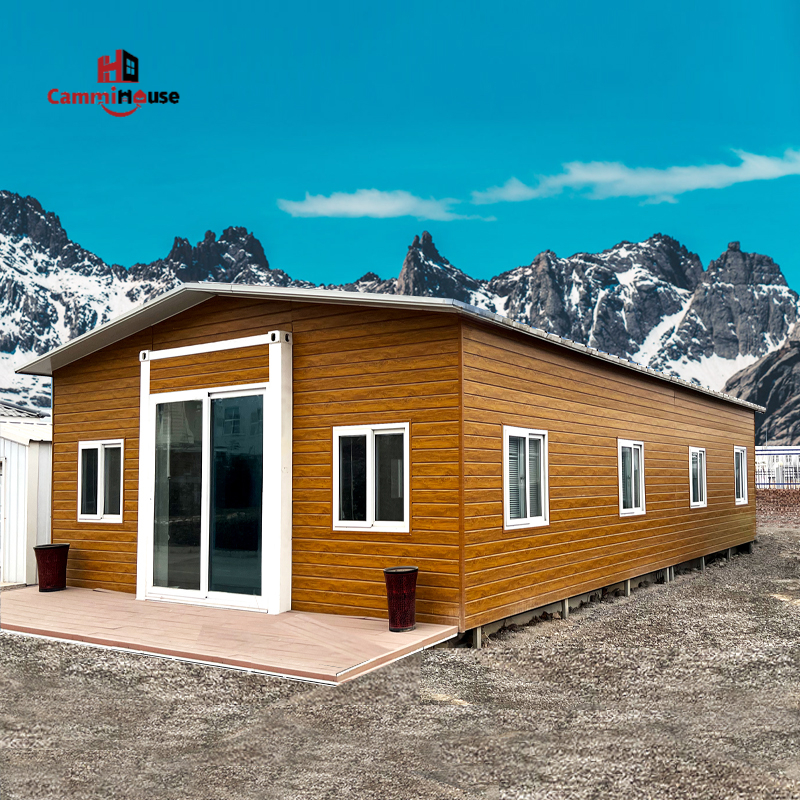
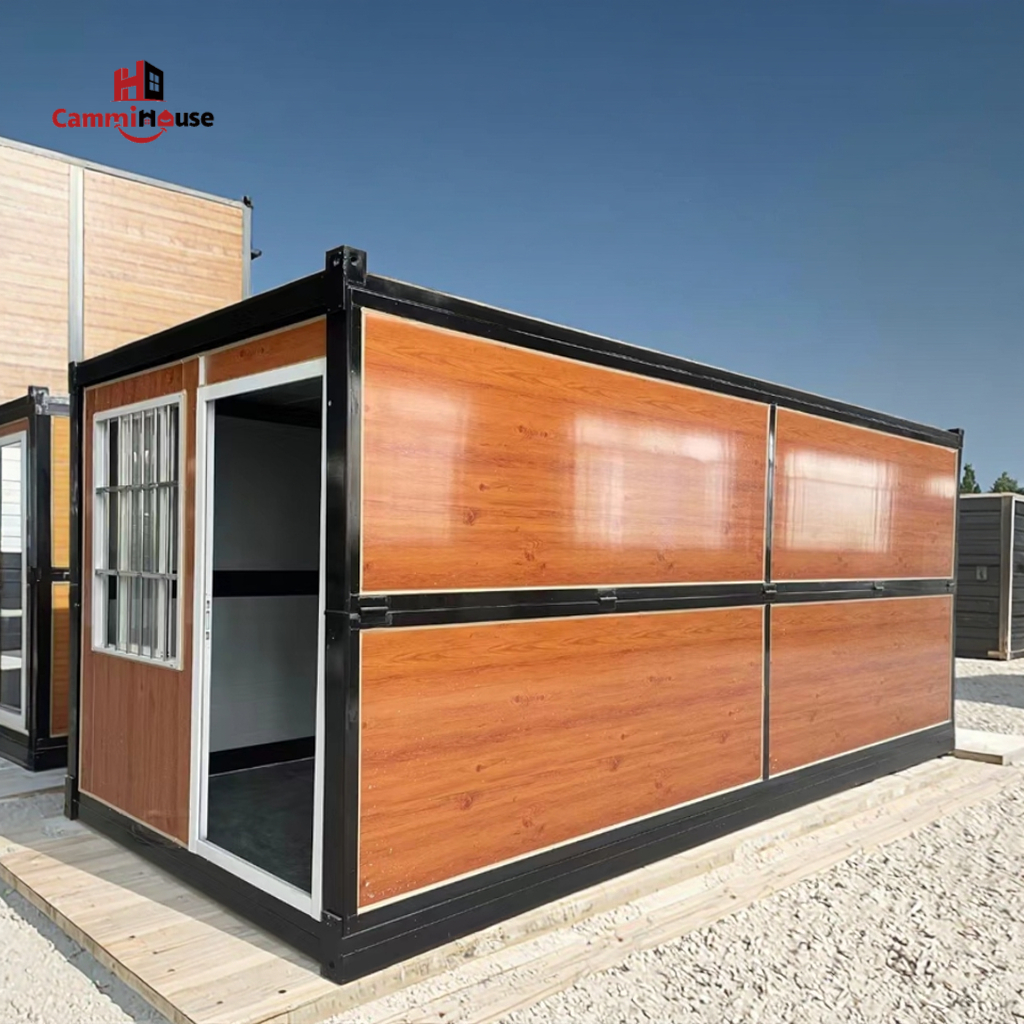
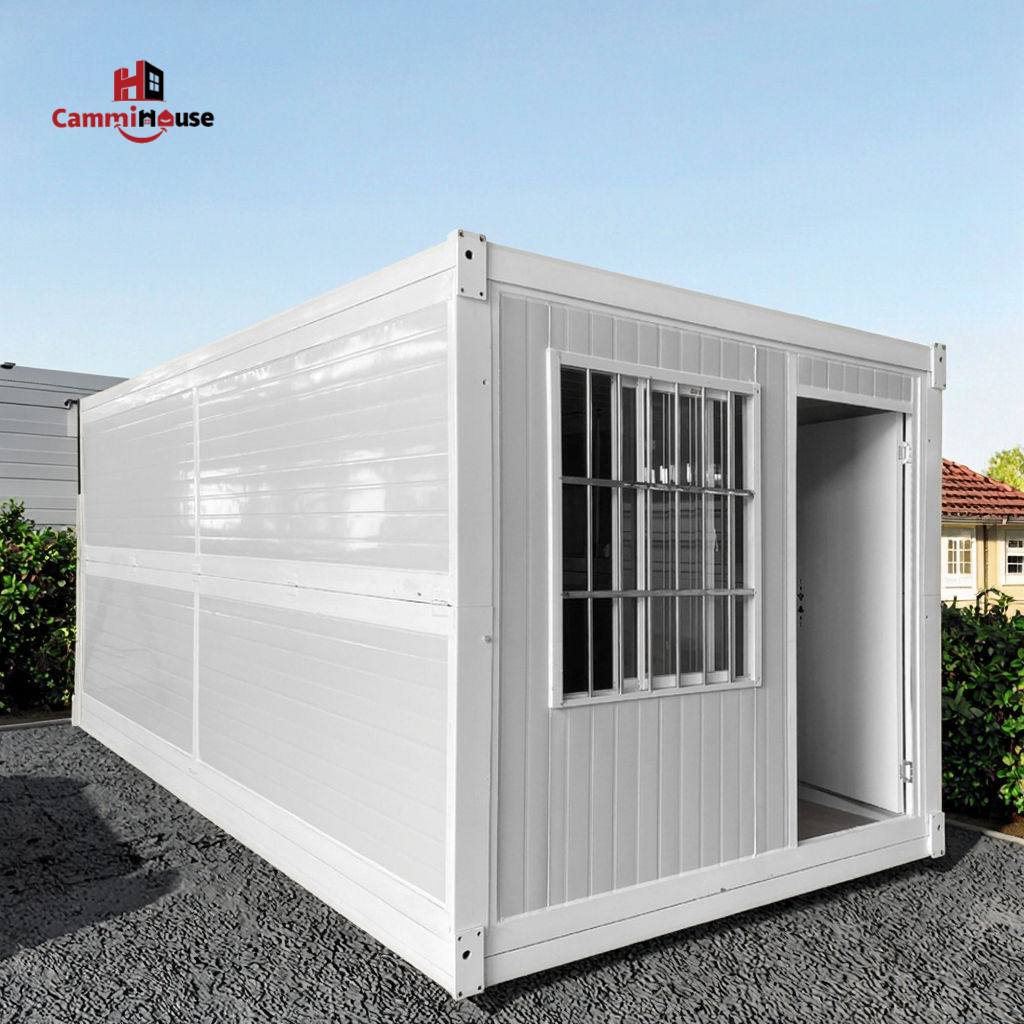
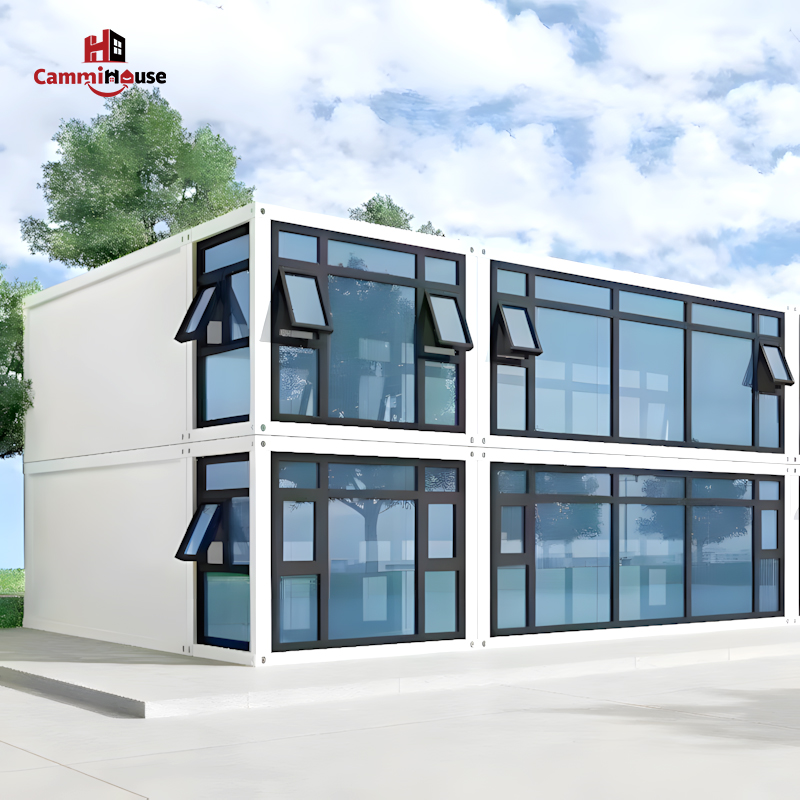
1. Faster Camp Deployment
Container construction shortens hotel camp build time. McKinsey 2022 data on modular construction shows off-site manufacturing can cut project schedules by 30–50% compared with conventional building. A prefab container house lets operators start collecting room revenue months earlier.
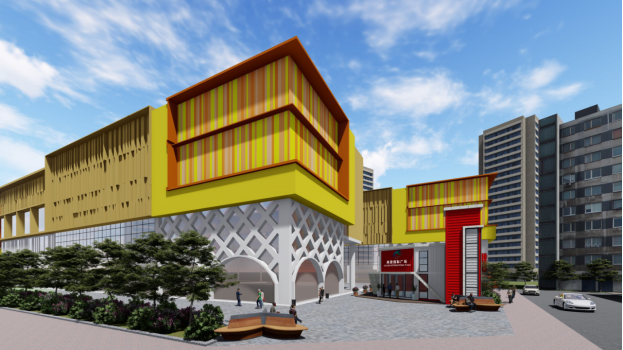
Reducing Construction Delays
Factory-built modules arrive finished and weatherproof. Crews bolt units together instead of pouring foundations and framing walls outdoors, so rainy seasons and local labor shortages have far less power to push back an opening date.
2. Lower Initial Investment
A modular build lowers upfront capital needs by cutting wet trades and shortening the project timeline. Concrete pours, masonry, and on-site framing — the slowest cost centers in traditional hotel construction — are replaced by controlled factory assembly.
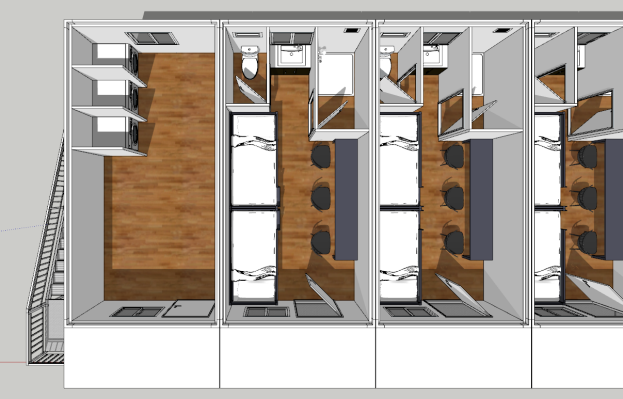
Predictable Budget Planning
Repeatable factory production gives developers tighter cost estimates. Because each module follows the same line, pricing a 50-room camp requires far less contingency padding than budgeting a site-built property of the same size.
3. Flexible Room Expansion
A hotel camp need not open at full size. A modular container home system lets operators add rooms in phases as bookings grow, instead of overbuilding on day one.
Scalable Business Growth
New units connect to existing utility runs without closing the property. A desert resort, for instance, can double its room count between high seasons while current guests stay on-site.
4. Suitable for Remote Locations
Mining areas, oil fields, deserts, and island destinations often lack the labor pool traditional construction needs. Container accommodation shifts almost all the work into a factory before anything reaches the site.
Efficient Transportation
Standard shipping dimensions let modules move through ordinary ports, highways, and rail lines without special permits — a deciding factor on island and desert routes where heavy equipment access is limited.
5. Better Space Efficiency
Hospitality projects need compact, functional layouts. A modern container home design fits bedrooms, bathrooms, and utility runs into a fixed footprint without wasted corridor space.
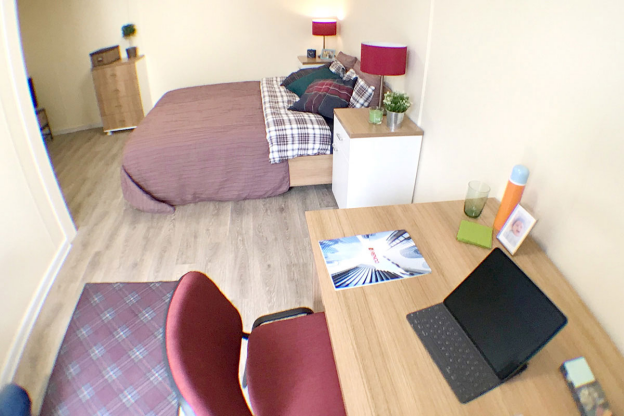
Optimized Guest Experience
Built-in furniture and combined utility chases free up floor area. A standard 20-foot unit can hold a queen bed, ensuite bathroom, and storage while still feeling open rather than cramped.
6. Custom Branding Opportunities
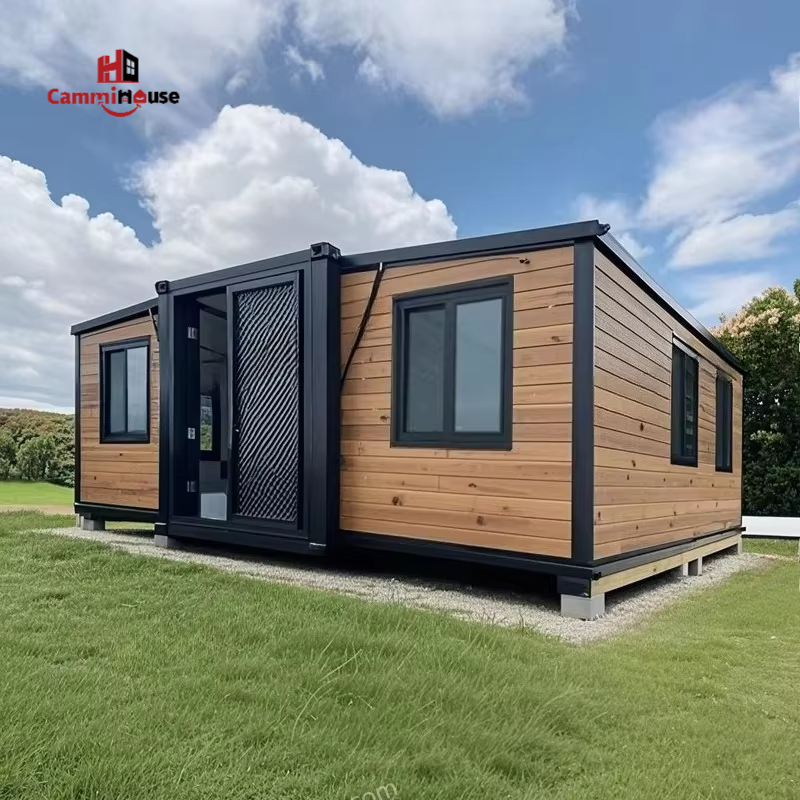
A custom container house can carry local tourism themes, resort branding, or corporate accommodation requirements straight from the factory, rather than through costly retrofits after installation.
Unique Architectural Identity
Exterior cladding, window placement, and interior packages can be set during production. A Red Sea resort camp and a Mongolian mining camp can run on the same chassis yet look entirely different to guests.
7. Improved Sustainability Performance
Reusing container structures lowers steel demand compared with fabricating new frames from scratch. U.S. EPA reporting on steel reuse links this practice to lower embodied carbon.
Resource Conservation
Factory production generates less offcut material and packaging waste than open-site construction, where crews often over-order supplies to cover unpredictable losses and damage.
8. Proven Commercial Applications
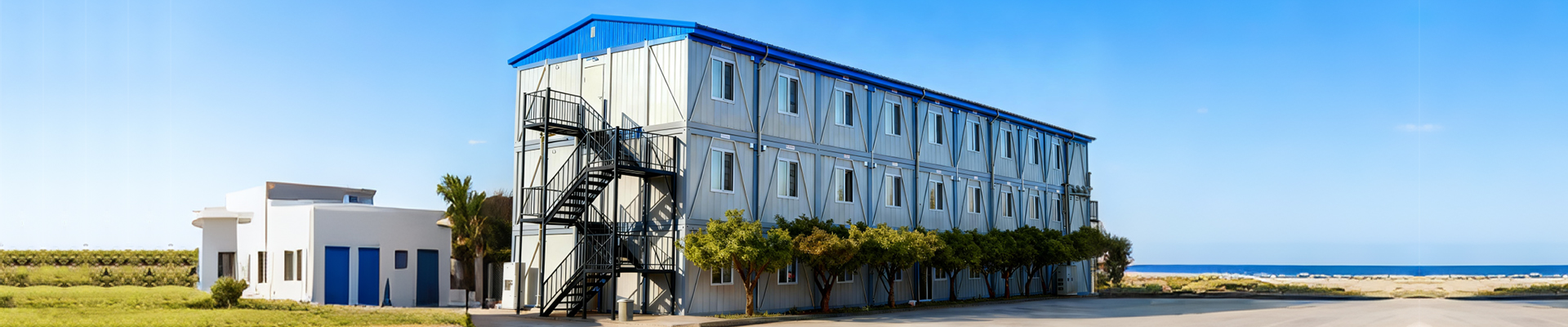
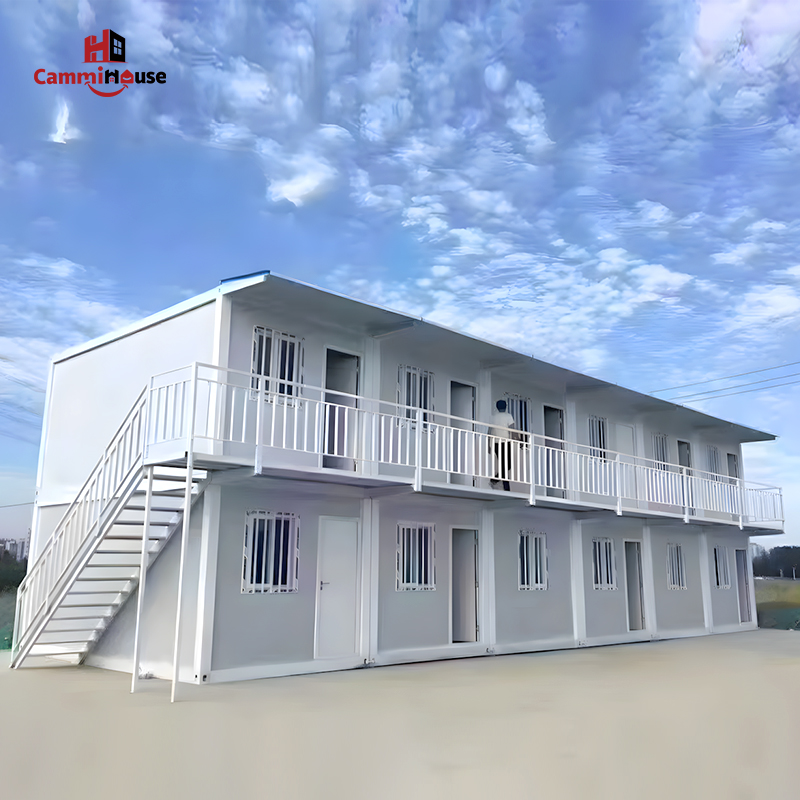
Container hotels already operate in tourism resorts, worker camps, and temporary accommodation projects worldwide. In a 2024 Cammihouse survey of commercial camps, operators ranked installation speed and expansion flexibility as the top advantages.
Manufacturer Selection
Choosing a container house factory should weigh structural certification, insulation specifications, and project references over unit price alone — the cheapest module on paper can carry the highest long-term maintenance cost.
FAQ
Q1: Are container homes comfortable enough for hotel guests?
Yes. Insulation systems, HVAC equipment, and interior finishing now bring container hotel rooms close to conventional accommodation comfort. Wall insulation and ventilation design matter most in hot climates and cold regions, where temperature swings are widest.
Q2: How long can a container hotel camp last?
A well-maintained shipping container home structure commonly serves 25 to 40 years or longer. Actual lifespan depends on corrosion protection, climate exposure, foundation quality, and how consistently the operator follows maintenance schedules.
Q3: Why do developers choose container hotels instead of traditional buildings?
Developers favor container solutions because they install faster, expand more easily, and reach remote sites traditional construction struggles with. These advantages matter most for seasonal tourism projects, mining camps, and temporary workforce housing.
Author: Justin Mercer, Cammihouse Technical Team.
