
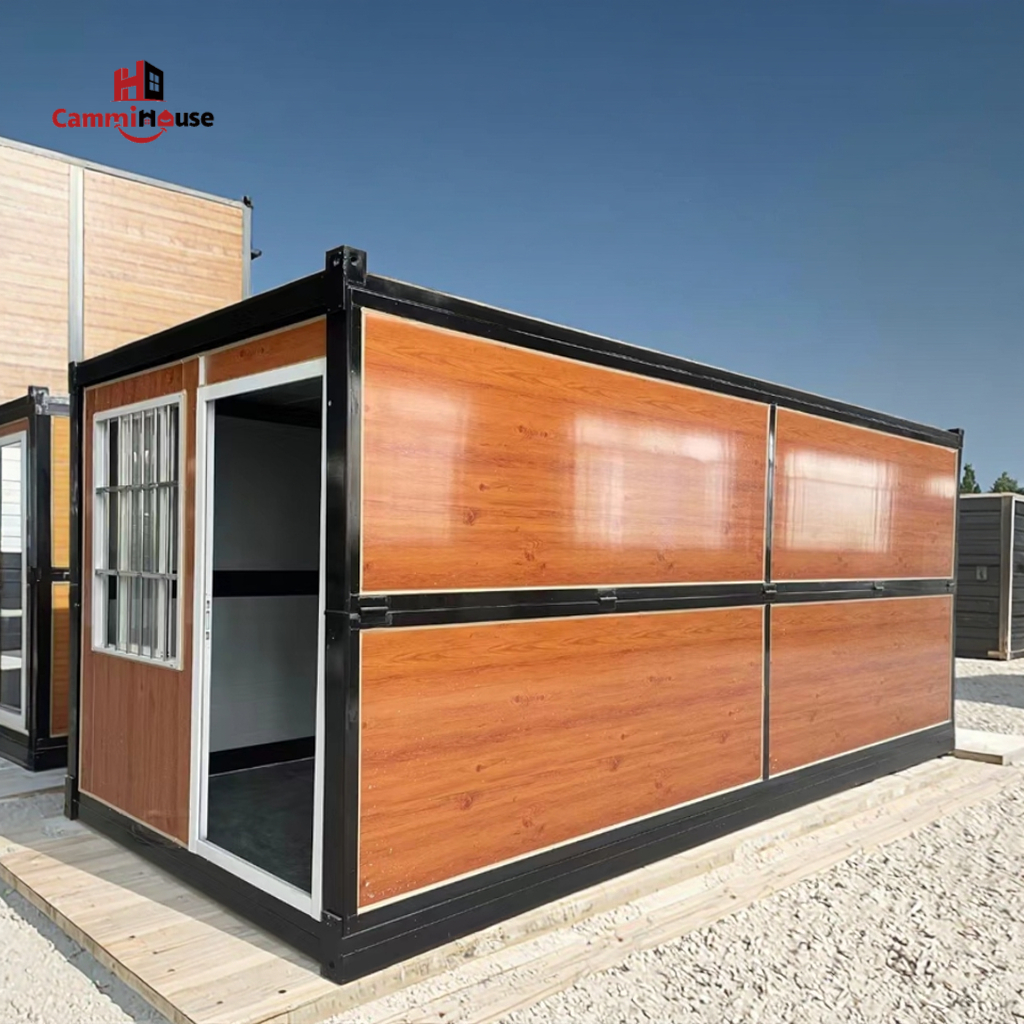
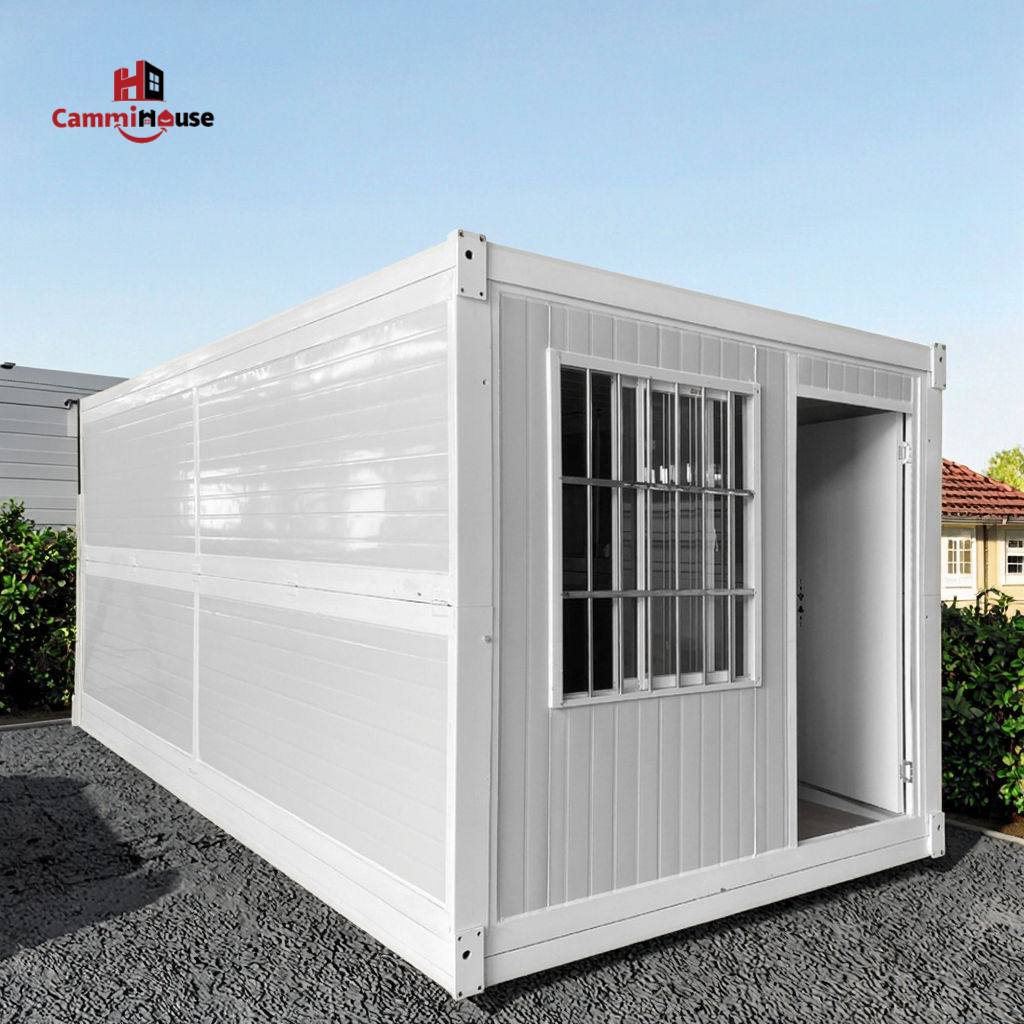
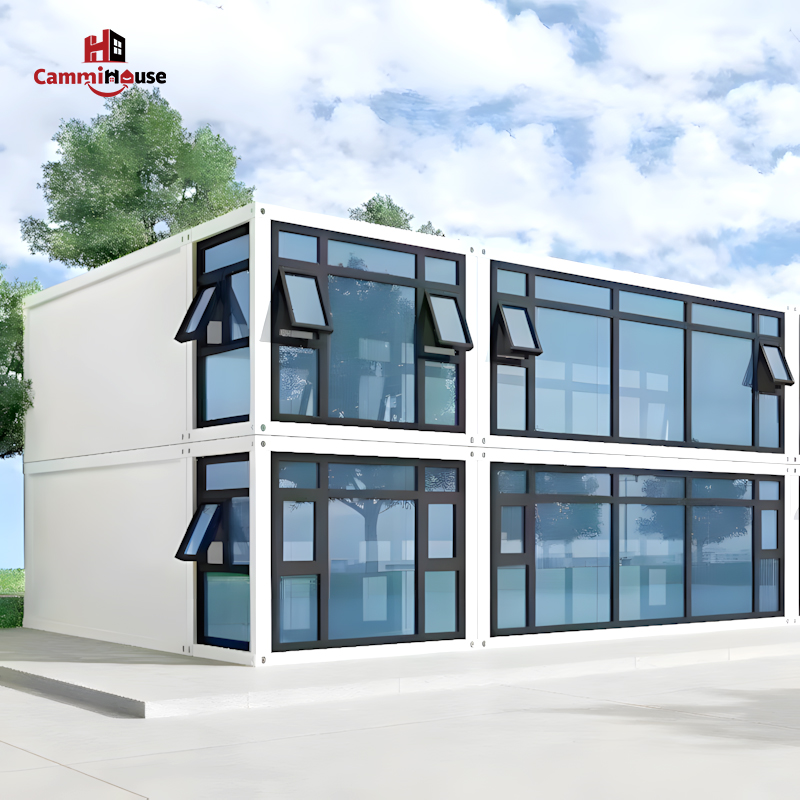
Permitting is the most unpredictable phase of any shipping container home project. Approval timelines range from 3 weeks in permissive rural counties to 18+ months in strict urban jurisdictions. Understanding the process upfront — zoning, structural documentation, inspections — reduces delays and cost overruns before ground is broken.
1. Confirm Zoning Eligibility First
Zoning approval must come before any building permit application. Most municipalities classify a container home as a single-family dwelling or accessory structure depending on size. In U.S. states like Texas and California, container residences are explicitly permitted in residential zones (R-1, R-2) provided they meet height, setback, and lot coverage rules. Check your county's zoning ordinance directly — about 34% of U.S. counties have no explicit container-specific language, leaving decisions to the building official's discretion (APA, Planning Advisory Service, 2022).
1.1 HOA and Deed Restrictions
HOA covenants and deed restrictions can prohibit container structures even when municipal zoning allows them. Always request a title search for CC&Rs before site selection. This step is frequently skipped and accounts for roughly 12% of project cancellations after permit application, based on contractor survey data (NAHB, 2023).
2. Identify the Applicable Building Code
Most U.S. jurisdictions adopt the International Residential Code (IRC) or International Building Code (IBC). A prefab container house submitted under IRC Section R301 must demonstrate structural adequacy via engineer-stamped drawings. In jurisdictions without container-specific provisions, the structure is reviewed as a steel-framed building, which is straightforward if your manufacturer supplies complete structural calculations.
2.1 International Markets: Middle East and Southeast Asia
In the UAE and Saudi Arabia, container structures used for commercial camps fall under the Gulf Standardization Organization (GSO) framework and typically require a No Objection Certificate (NOC) from the municipality. Camp operators supplying oilfield accommodations in Oman have used pre-approved modular packages from compliant manufacturers to cut NOC approval from 8 weeks to 3 weeks by submitting a complete technical dossier at first submission.
3. Structural Engineering Documentation Required
Every permit authority will require engineer-stamped drawings. At minimum, the package must include: foundation plan, floor plan with load paths, wall opening header calculations, and anchor bolt schedule. A modular container home from a factory with in-house engineering — like the documentation package Cammihouse provides for each custom project — typically arrives permit-ready, cutting client preparation time by 4–6 weeks compared to field-converted units requiring third-party engineering from scratch.
3.1 Soil Report and Foundation Engineering
A geotechnical report (geotech) is required in most jurisdictions for permanent foundations. Soil bearing capacity below 1,500 psf typically triggers a pier-and-grade-beam foundation rather than a simple pad. Budget $1,500–$4,000 for the geotech report and allow 2–3 weeks for results before submitting your permit application.
4. Energy Code Compliance
IECC 2021 (adopted in 22 U.S. states as of 2024) requires wall assemblies to meet R-13 minimum in Climate Zones 1–2 and R-20 in Zones 5–8. A custom container house with 75 mm closed-cell spray foam achieves R-4.8 per inch × 3 inches = R-14.4, meeting Zone 1–3 requirements without additional furring. For colder climates, a hybrid SPF + rigid board system hitting R-21 satisfies Zones 4–6 and is the most permit-friendly assembly in our experience.
4.1 MEP Permit Submittals
Mechanical, electrical, and plumbing permits are typically separate from the structural permit. Each trade requires its own licensed contractor in most U.S. states. Factor 2–4 additional weeks for MEP permit review on top of the structural permit timeline. Some jurisdictions allow combined submittals — ask your building department at the pre-application meeting.
5. Schedule a Pre-Application Meeting
A 30-minute pre-application meeting with the local building official prevents the most common causes of permit rejection. Bring a site plan, a photo of the intended container house design, and your proposed code compliance path. According to the International Code Council (ICC, 2021), projects that hold pre-application meetings have a 67% lower rate of first-submission rejection than those that do not.
5.1 What to Bring to the Meeting
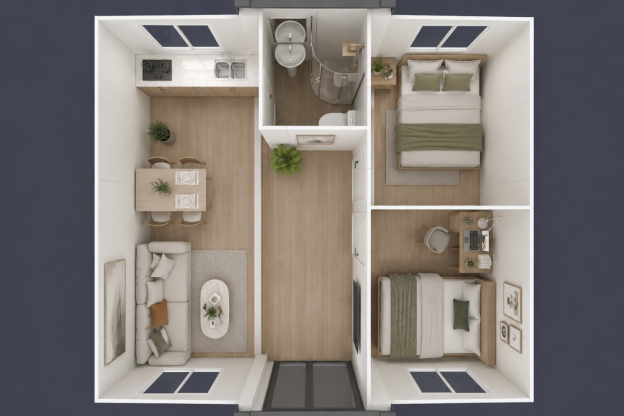
Prepare: (1) a dimensioned site plan showing setbacks, (2) floor plan with room labels, (3) manufacturer's structural specification sheet, (4) proposed insulation assembly with R-values, (5) any prior county approvals for similar projects in your area. This package demonstrates preparation and typically shortens the official's review questions to 10–15 minutes.
6. Submit a Complete Application Package
Incomplete applications are the leading cause of permit delay — responsible for 41% of re-review cycles in residential permitting (NAHB, 2023). A complete submission for a modern container home includes: site plan, architectural drawings, structural calculations with engineer stamp, energy compliance worksheet (REScheck or COMcheck), soils report, and proof of contractor licenses. Submitting digitally via the jurisdiction's portal, where available, reduces processing time by an average of 11 days (ICC Digital Permitting Survey, 2022).
6.1 Typical Review Timelines by Jurisdiction Type
Rural counties with populations under 50,000: 2–4 weeks. Suburban municipalities: 4–8 weeks. Major urban centers (LA, NYC, Chicago): 3–6 months for initial review. Expedited review fees ($500–$2,500) are available in most jurisdictions and can cut timelines by 30–50% — a worthwhile investment for commercial or time-sensitive builds.
7. Inspections During and After Construction
Inspections are staged at foundation, framing, rough MEP, insulation, and final. For a prefab container house delivered as a pre-finished module, some inspection stages — framing, for instance — may be completed at the container house factory via a third-party special inspection report, accepted by the local AHJ (Authority Having Jurisdiction). In a 2024 Cammihouse delivery project for a 40-unit worker camp in Queensland, factory-stage inspections eliminated 3 on-site inspection visits and reduced total construction time by 9 days.
7.1 Certificate of Occupancy (CO)
The CO is the final document confirming the structure meets code and is legally habitable. Without it, the building cannot be occupied, mortgaged, or insured as a residence. Final inspection typically requires: all MEP systems functional, smoke/CO detectors installed, handrails and egress windows in place, and address posted. Budget 1–2 weeks between final inspection request and CO issuance.
8. Work With a Manufacturer That Supports Permitting
The fastest path through permitting is selecting a manufacturer that delivers permit-ready documentation. Reputable factories supply: stamped structural drawings, material certifications (ASTM A588 for Corten steel), energy compliance reports, and third-party inspection records. For buyers sourcing a modular container home for permanent installation, requesting the full documentation package before purchase — not after delivery — is the single most effective timeline risk mitigation available.
8.1 Red Flags When Evaluating Manufacturers
Avoid suppliers who cannot provide: engineer-stamped drawings on request, material test reports (MTRs) for structural steel, or references from projects in your target jurisdiction. These gaps create permitting roadblocks that cost more to resolve post-contract than the price difference between compliant and non-compliant suppliers.
FAQ
Q: Do I need a special permit for a shipping container home, or is it the same as a regular house?
A: In most U.S. jurisdictions, a shipping container home is permitted under the same residential building code as a conventional house (IRC or IBC). No special container-specific permit exists. The key difference is that reviewers unfamiliar with steel container construction may request additional structural documentation — so submitting engineer-stamped drawings upfront reduces back-and-forth and speeds approval.
Q: How long does it take to get a building permit for a container home?
A: Timeline depends on jurisdiction type. Rural counties often approve in 2–4 weeks; suburban municipalities take 4–8 weeks; major cities may take 3–6 months. Submitting a complete application package on first submission — including structural calculations, energy compliance, and soils reports — is the most reliable way to avoid re-review cycles that add 3–6 weeks per round.
Q: Can a prefab container house be delivered and installed before permits are approved?
A: Delivery can be timed before permit approval, but installation — connecting to foundation and utilities — must wait for the permit. Many buyers use this window to complete site preparation and foundation work. Confirm with your local AHJ whether off-site fabrication can proceed during review; most jurisdictions allow it, which shortens total project duration without violating permitting rules.
— Justin Mercer, Cammihouse Technical Team
