


Introduction: Core Conclusions First
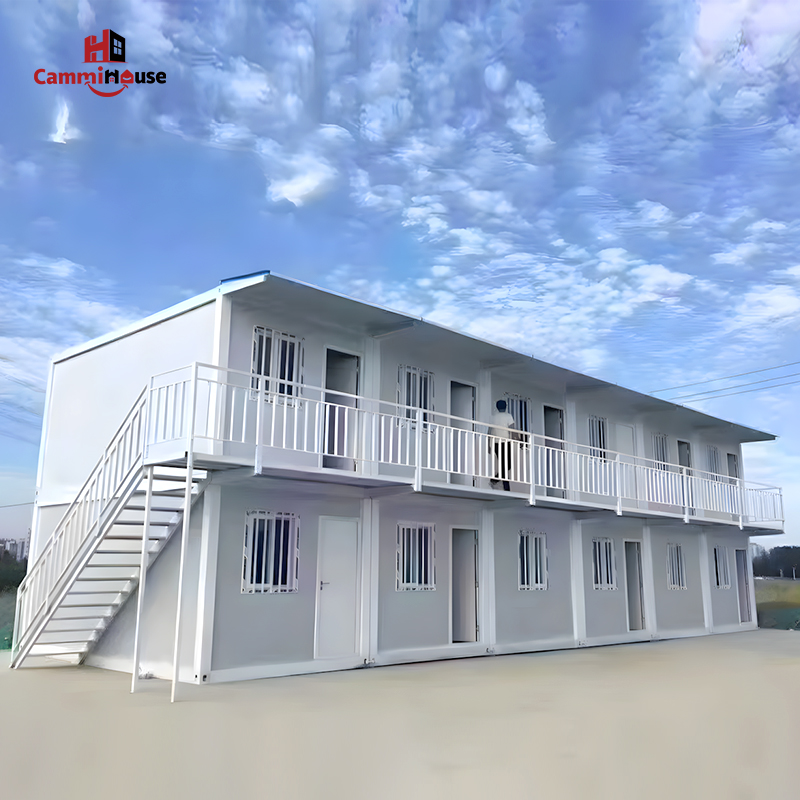
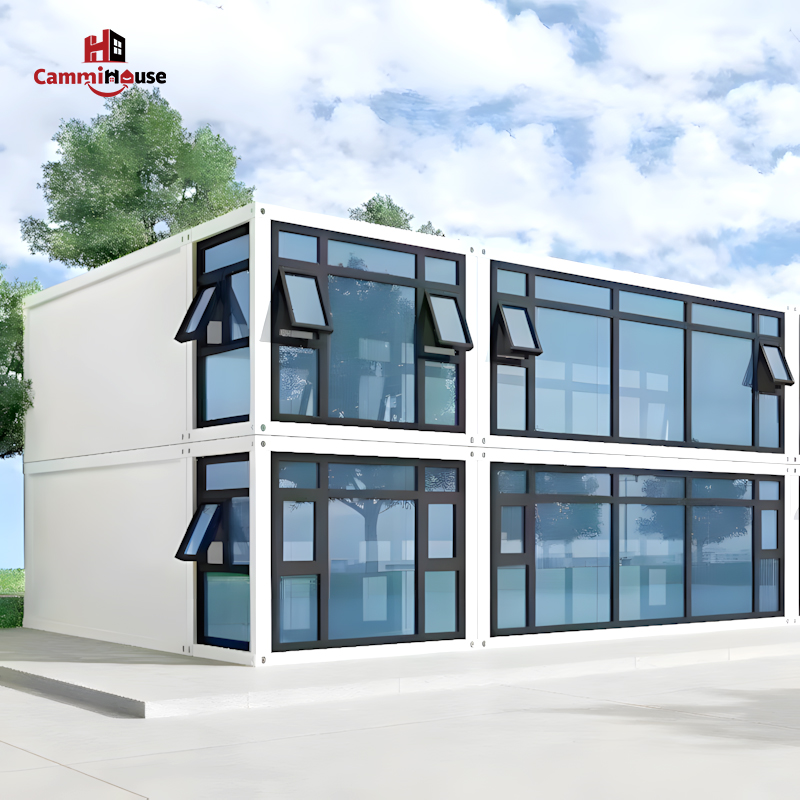
Container buildings rely on eight primary load-bearing corner fittings to transfer vertical forces, not side walls. As a result, most container houses can safely support 2–3 residential stories when openings and reinforcements follow engineering rules. Structural failure risks usually come from improper wall cutting or unverified stacking, not from the container frame itself.
Structural Load Logic of Container Houses
1. ISO Container Load-Bearing Principles
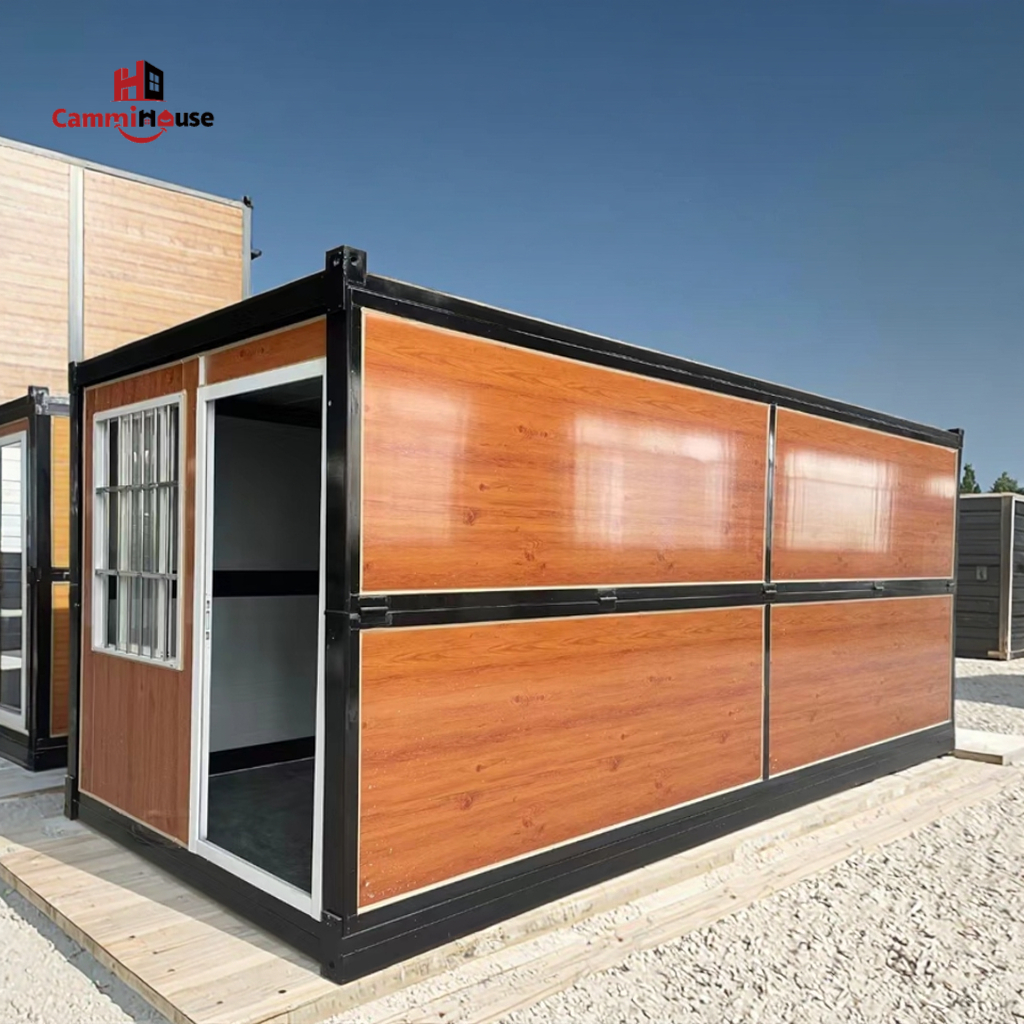
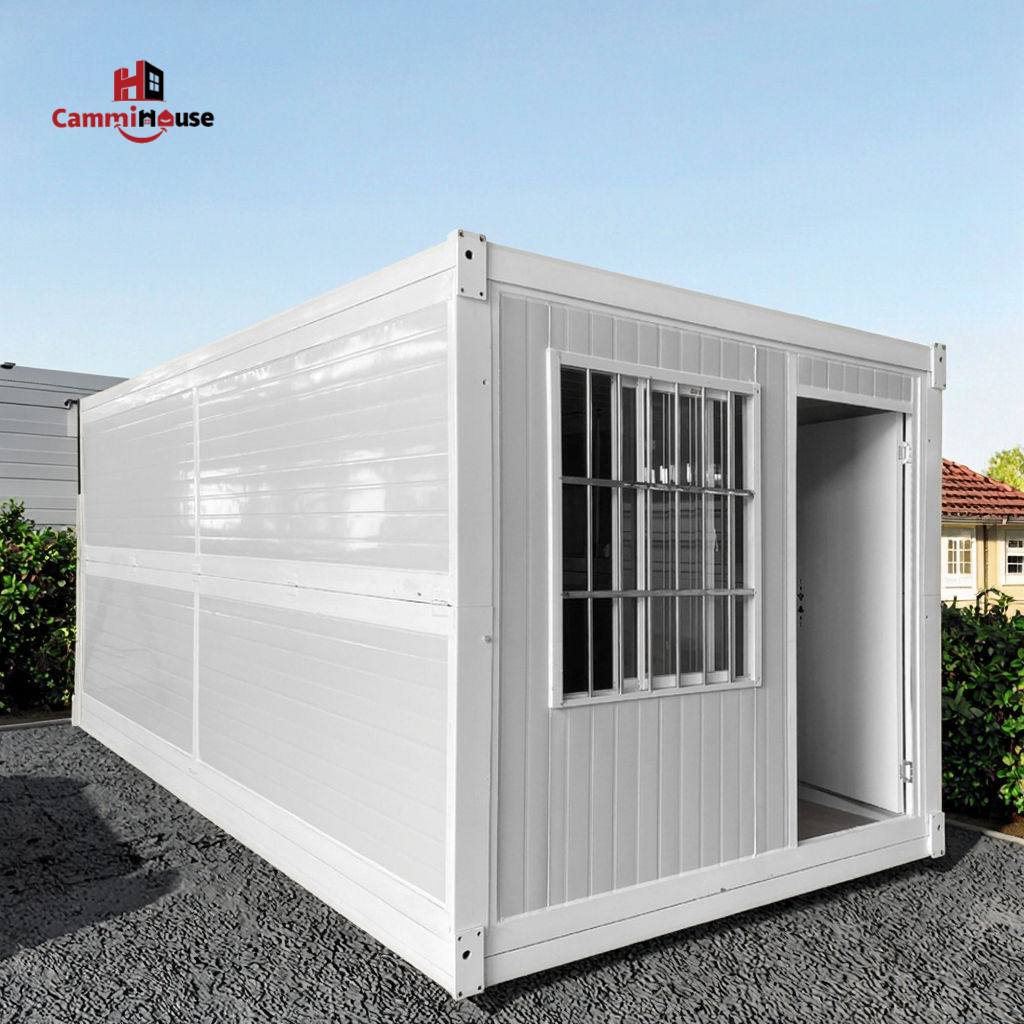
Standard ISO containers are designed so that vertical loads travel through the corner posts and corner castings. Roof panels and side walls mainly resist wind and lateral forces, not gravity loads. This explains why removing non-structural wall sections is possible when reinforcement is added correctly.
2. Corner Fittings and Alignment Systems
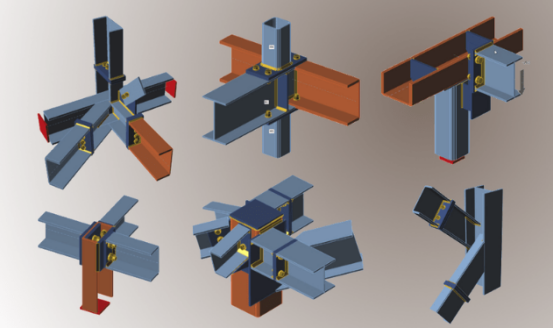
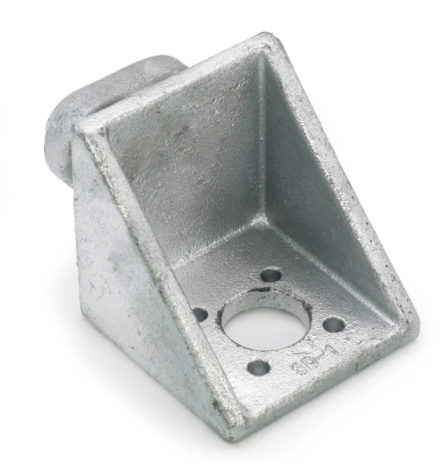
Each container has eight corner fittings forming a rigid vertical load chain when stacked. In multi-story container houses, accurate corner-to-corner alignment is essential. Even small misalignments can create eccentric loading, increasing stress on welds and beams.
At cammihouse, factory pre-alignment checks are used to ensure stacking tolerances stay within ISO structural limits before shipment.
3. Practical Stacking Height Limits
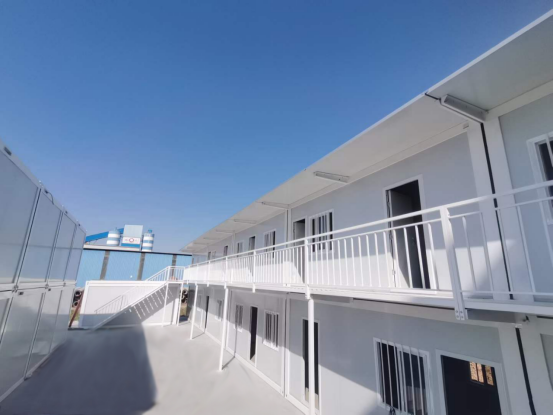
In real projects, stacking height is limited by local codes, usage type, and foundation design. Residential container houses are typically limited to three stories, while temporary or industrial buildings may go higher with structural review.
Structural Rules for Openings and Reinforcement
1. Approved Opening Locations and Dimensions
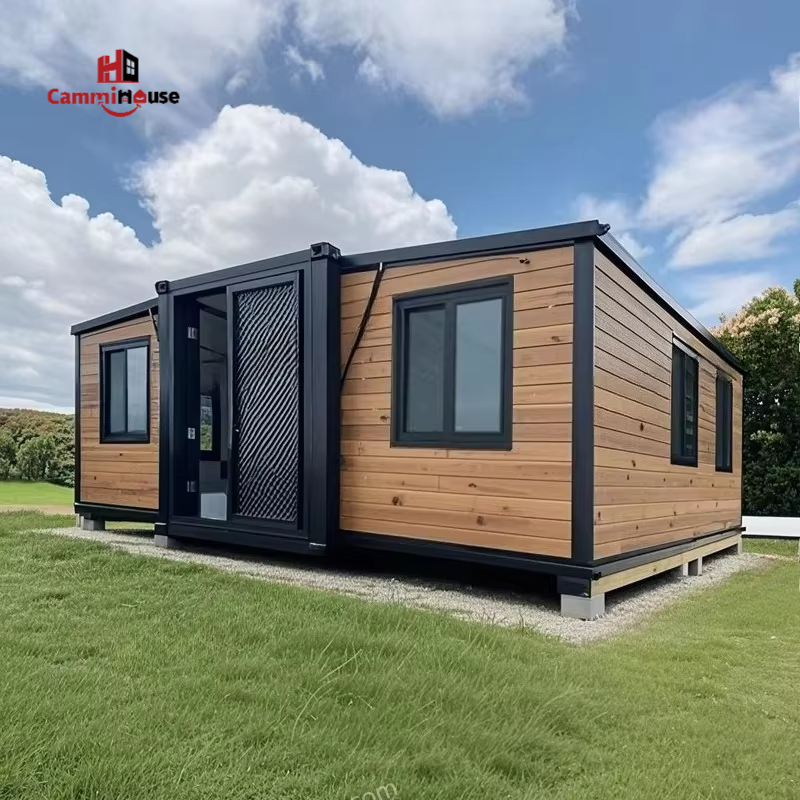
Cutting openings does not automatically weaken a container house—but location and size matter. As a general rule, side-wall openings should not exceed 25% of the wall width unless reinforced. Openings should stay clear of corner posts and top rails.
2. Reinforcement Methods Compared
Structural reinforcement usually involves:
Rectangular steel frames around openings
Knee braces at load transfer points
Hybrid reinforcement combining beams and plates
Among these, frame reinforcement provides the best load redistribution for large doors or panoramic windows.
3. Typical Failure Scenarios
Most structural failures occur when:
Openings are added without recalculating load paths
Reinforcement is undersized
Containers are stacked beyond design assumptions
These failures are avoidable with proper engineering review.
Foundation and Ground Interface Requirements
1. Matching Foundation Types to Soil Conditions
Foundations must transfer container loads evenly into the ground. Common options include:
Concrete strip foundations (small projects)
Raft slabs (multi-unit housing)
Pile foundations (soft soil or coastal areas)
2. Connection Methods: Bolted vs Welded
Bolted connections allow faster installation and relocation, while welded connections provide higher rigidity. cammihouse projects often combine both, using bolting at foundations and welding at vertical joints.
3. When a Structural Engineer Is Required
Engineering review becomes necessary when:
Stack height exceeds two stories
Openings exceed standard limits
Sites are in high-wind or seismic zones
FAQ: Structural Safety Questions
Q1. How many floors can a container house safely support?
Most container houses support 2–3 floors for residential use when loads pass through aligned corner fittings and foundations are properly designed. Higher stacking is possible for non-residential use but requires structural calculations and code approval.
Q2. Do large windows weaken container houses?
Large windows are safe only when reinforced correctly. Steel frames must redistribute loads around the opening. Without reinforcement, cutting load-resisting wall sections can cause deformation or long-term fatigue.
Q3. Are self-modified containers structurally safe?
DIY modifications are risky without engineering checks. Industry standards such as AWS D1.1 welding specifications help ensure joint integrity. Professional design and inspection are strongly recommended for permanent container buildings.
Standards and Reference Sources
Structural principles referenced from Container Atlas , which provide ISO container load data, opening reinforcement examples, and stacking logic widely used in container architecture.
Final Note
Structural safety in container houses depends on load path respect, controlled openings, and foundation compatibility—not guesswork. With standardized engineering and factory-verified production, container houses can deliver both flexibility and long-term reliability.
