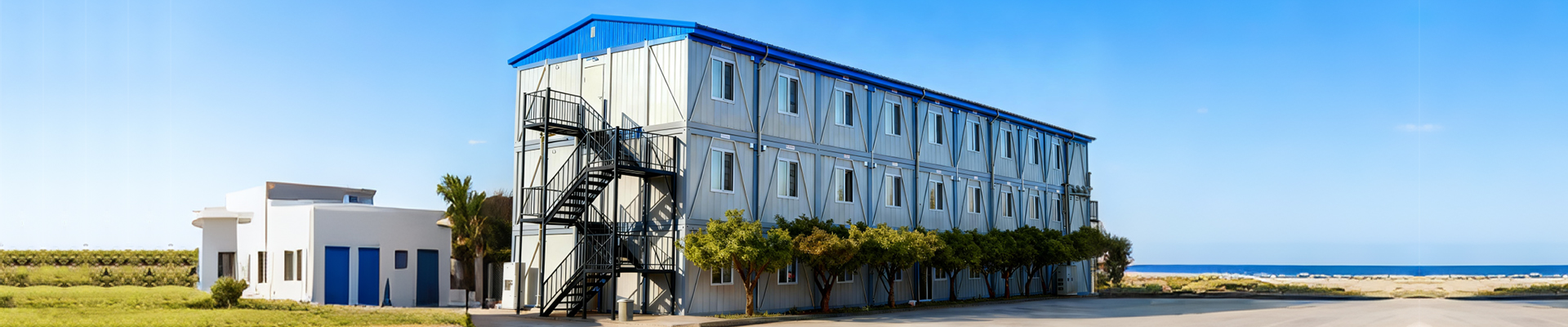
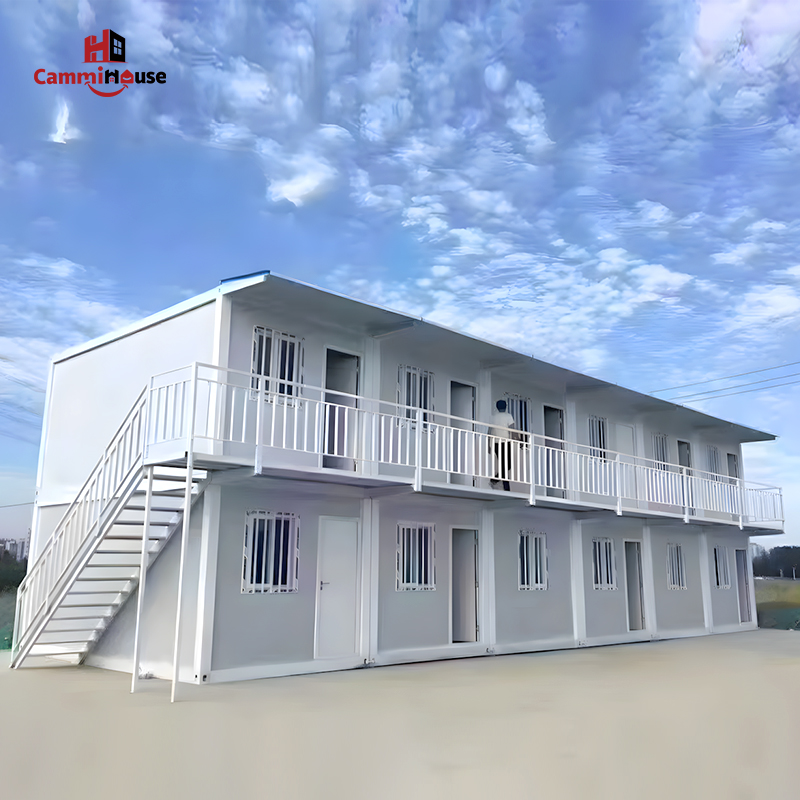
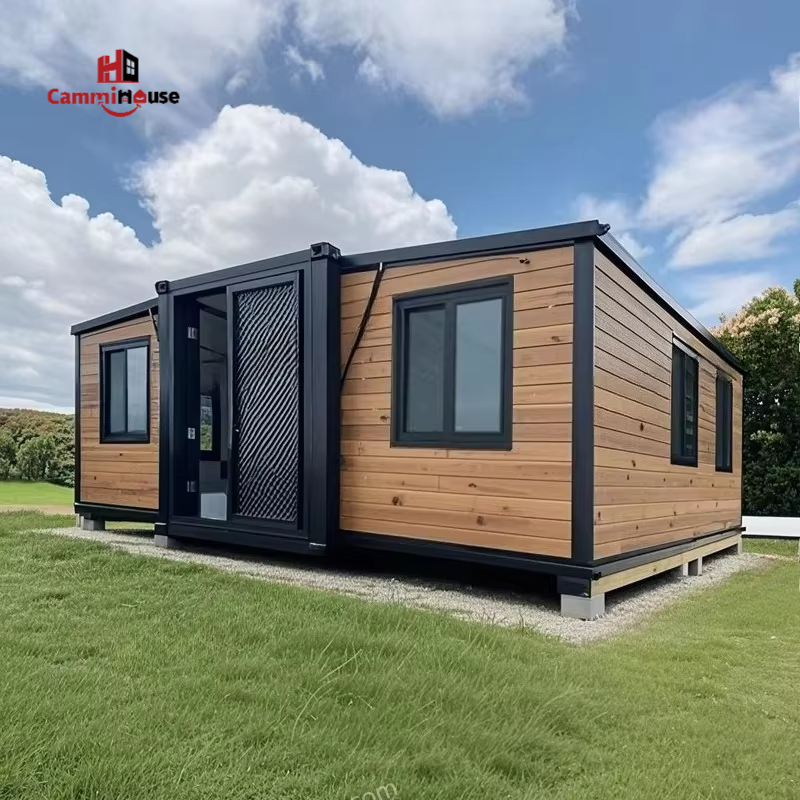
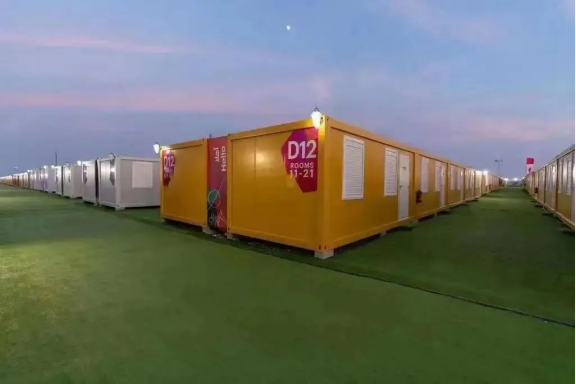
A containerized hotel camp is worth the investment when speed, location flexibility, and operating costs matter more than architectural prestige. Modular, factory-built rooms cut construction time and adapt to remote or fast-growing markets. The eight factors below explain why.
1. Faster Deployment Creates Earlier Revenue
Parallel Construction Shortens the Path to Opening Day
Shorter construction schedules let containerized hotel camps start earning revenue months sooner than site-built properties. McKinsey (2019) found modular construction can cut project timelines by 20 to 50 percent, directly improving cash flow. Guest rooms are manufactured off-site while the foundation is prepared at the same time, instead of waiting for each phase to finish in sequence. In remote tourism destinations and workforce camps, this parallel workflow removes weather delays and labor bottlenecks, letting operators welcome guests sooner.
2. Lower Construction Costs Improve Investment Returns
Factory Production Cuts Labor and Material Waste
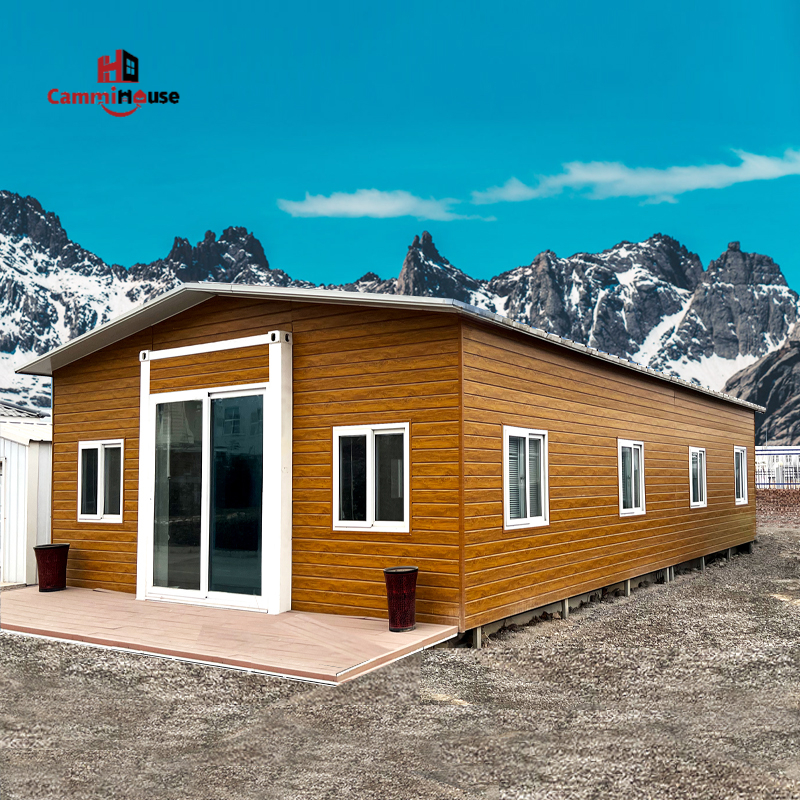
Lower build costs are the main reason containerized projects post stronger returns than comparable traditional hotels. Factory assembly reduces labor hours, trims material waste, and removes most weather-related downtime, savings that matter most where skilled labor is expensive. A prefab container house typically arrives with much of the interior work finished: wiring, insulation, flooring, and wall finishes are installed before it leaves the factory, shrinking the site work needed.
3. Flexible Expansion Matches Market Demand
Phased Growth Reduces Upfront Capital Risk
Scalability lets containerized hotel camps grow with occupancy instead of betting all capital on day one. Investors can add rooms in stages as bookings climb, rather than financing a fixed structure before demand is proven. A custom container house layout allows guest rooms, a restaurant block, offices, or recreation areas to be added in phases, so revenue from earlier units helps fund the next stage.
4. Remote Locations Benefit the Most
Simplified Logistics Make Isolated Sites Viable
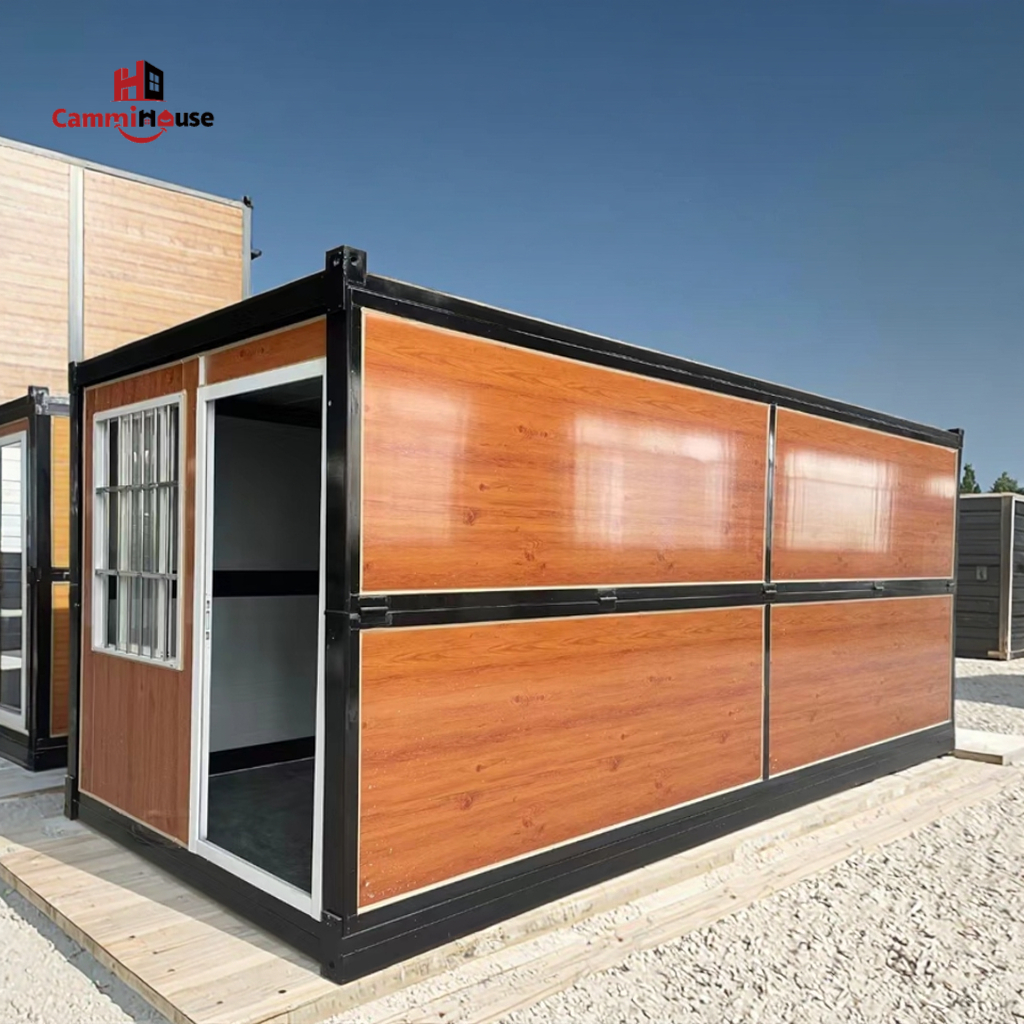
Isolated sites see the largest advantage from container-based construction because transporting finished modules is simpler than hauling raw building materials. Mining camps in Australia, desert tourism developments in Saudi Arabia, and remote eco-resorts choose container systems for this reason: a shipping container is already engineered to survive transport stress, moving by road, rail, or sea with fewer logistical failures than brick or poured concrete.
5. Energy Efficiency Supports Long-Term Profitability
Envelope Performance Drives Down Operating Costs
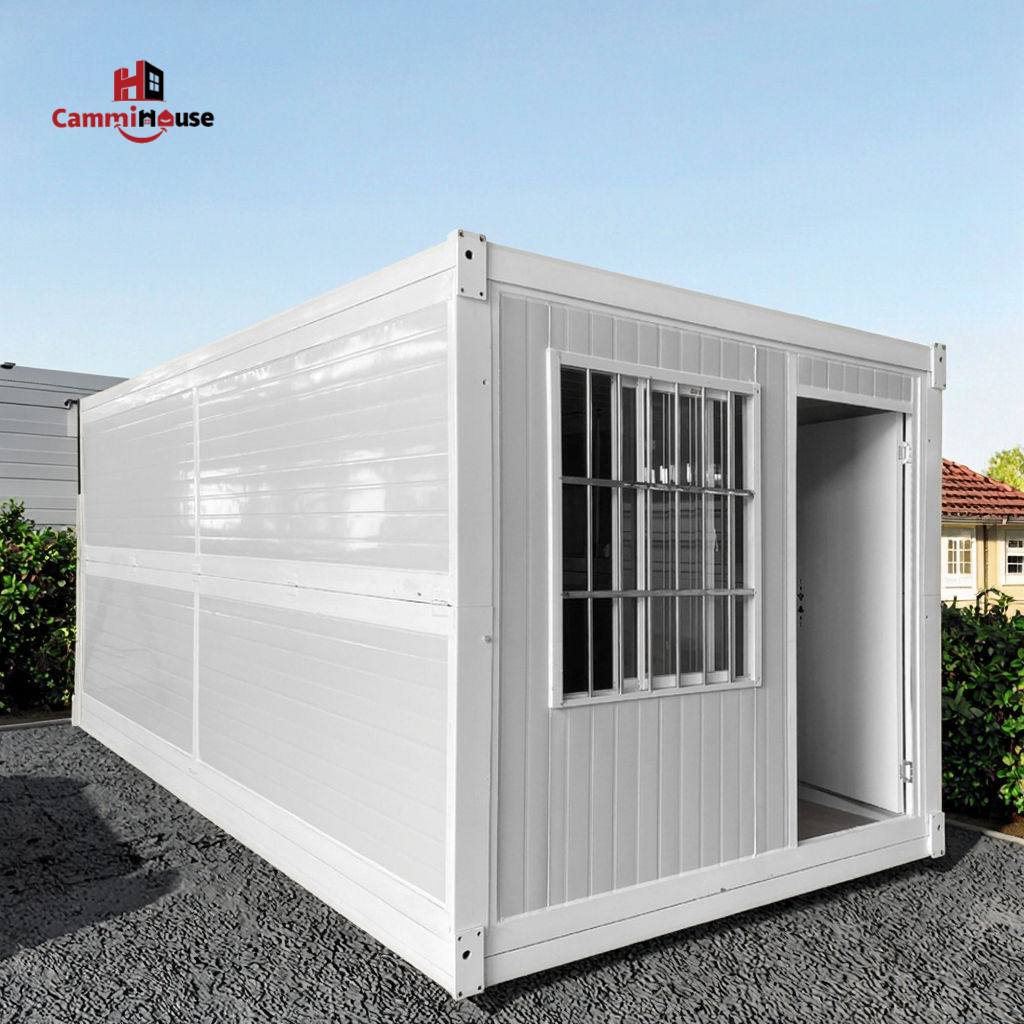
Energy use, not construction cost, often determines long-term profitability once a hotel camp is operating. The U.S. Department of Energy (2021) identifies building envelope performance, meaning insulation, air sealing, and glazing, as a primary factor in heating and cooling demand. A modern container home built with insulated sandwich panels reduces the HVAC load needed in both desert heat and cold mining-region winters, lowering utility costs and protecting margins.
6. Modern Designs Attract More Guests
Design Quality Influences Nightly Rates
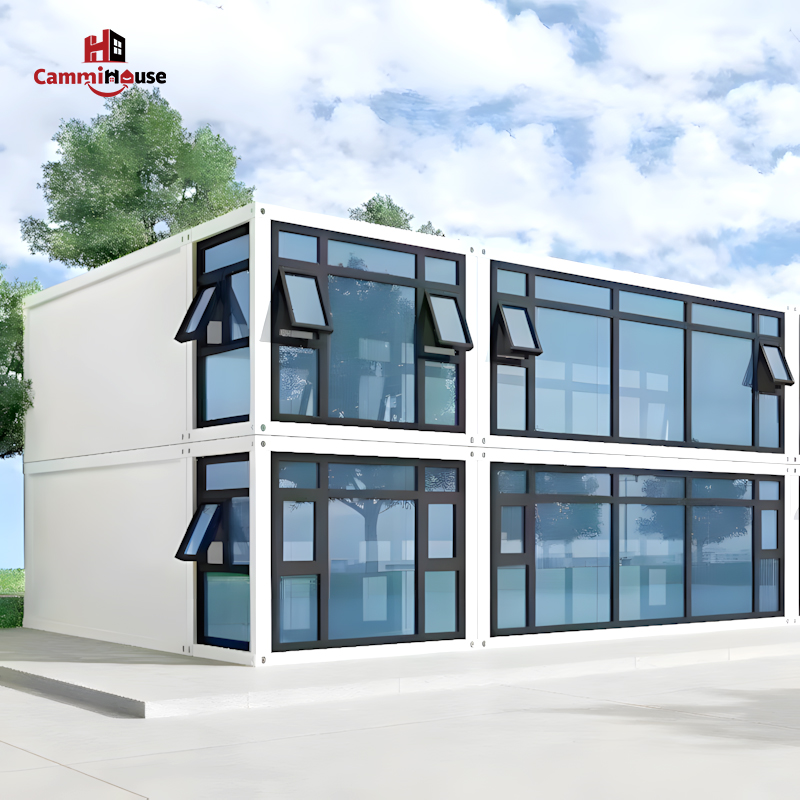
Design has moved container hospitality far beyond a basic accommodation block, directly affecting what operators can charge per night. Rooftop terraces, floor-to-ceiling glazing, and connected suites let a property compete on guest experience rather than price alone.
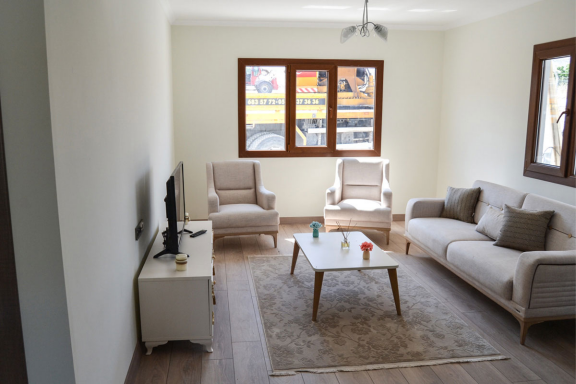
A strong container house design plan treats layout and natural light as revenue drivers, not finishing touches, which is why eco-tourism and boutique hospitality brands increasingly select container construction for flagship properties.
7. Durability Extends Asset Lifespan
Maintained Steel Structures Hold Value Over Decades
Asset lifespan is a direct function of how well the steel structure is protected, and properly maintained units can remain in service for decades. Longer service life lowers the effective replacement cost per year of operation, improving returns measured over a full investment horizon.
Shipping containers are built to withstand ocean transport, stacking loads, and repeated handling, so with corrosion protection and routine maintenance, a shipping container home structure can stay operational well beyond the timeline most investors plan for.
8. Manufacturer Selection Determines Success
Engineering Capability Is the Real Differentiator
Project outcomes depend more on supplier engineering capability than on any single material choice, since the same steel module can perform very differently depending on how it was calculated, insulated, and installed.
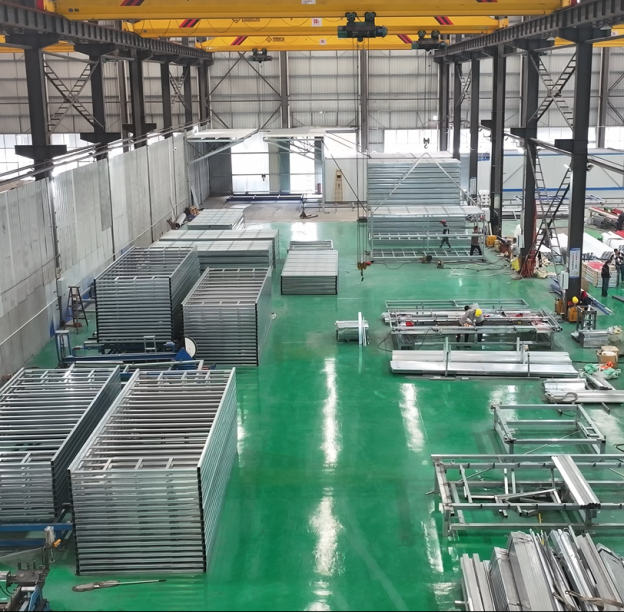
When evaluating a container house factory, buyers should review structural calculations, insulation specifications, and prior hospitality references rather than marketing claims alone. In a 2024 Cammihouse project survey, delivery reliability and installation support ranked among the factors operators weighted most heavily after handover.
FAQ
Q1: Is a containerized hotel camp cheaper than a traditional hotel?
Yes, in most cases. Factory production reduces labor hours, material waste, and weather delays, lowering total project cost. Exact savings vary with location and project size, but earlier occupancy and faster cash flow are consistent advantages.
Q2: How long can a containerized hotel camp last?
With corrosion protection, proper insulation, and a routine maintenance plan, a containerized hotel camp can remain operational for decades. Actual service life depends on climate exposure, maintenance frequency, and the structural standards chosen at the design stage.
Q3: Is container accommodation suitable for luxury tourism projects?
Yes. Boutique resorts, desert lodges, and eco-retreats increasingly use modular container homeconstruction for flagship buildings. Premium finishes, panoramic glazing, private terraces, and custom layouts let container hotels compete directly with conventional luxury developments.
Author: Justin Mercer, Cammihouse Technical Team.
