

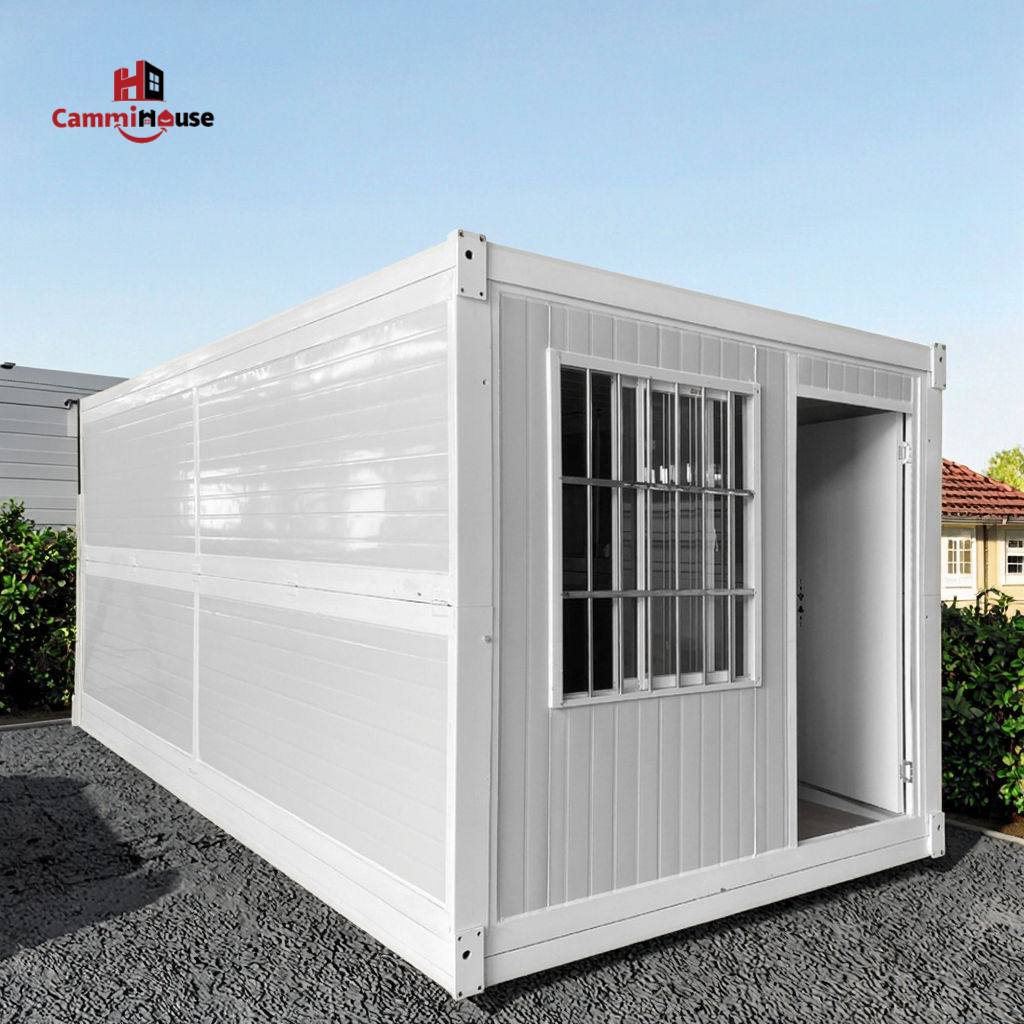
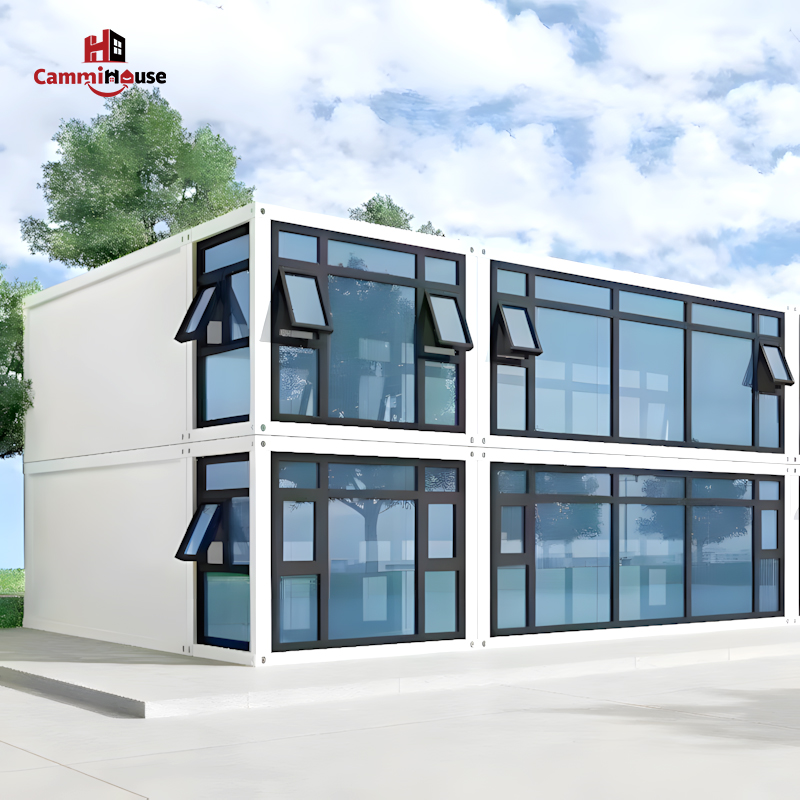
The cost of a container house in 2026 is no longer defined by unit price alone. Buyers now evaluate total delivered cost, including manufacturing, transportation, installation, and long-term operation. With rising labor costs and stricter building standards worldwide, container houses remain attractive—but only when cost drivers are clearly understood. This guide breaks down real pricing ranges and explains what actually determines container house cost in 2026.
What Is the Average Cost of a Container House in 2026?
In 2026, a standard container house typically costs USD 12,000–35,000 per unit, depending on configuration and destination. Entry-level units used for site accommodation sit at the lower end, while fully equipped residential or hospitality units fall at the higher end.
Basic cost ranges:
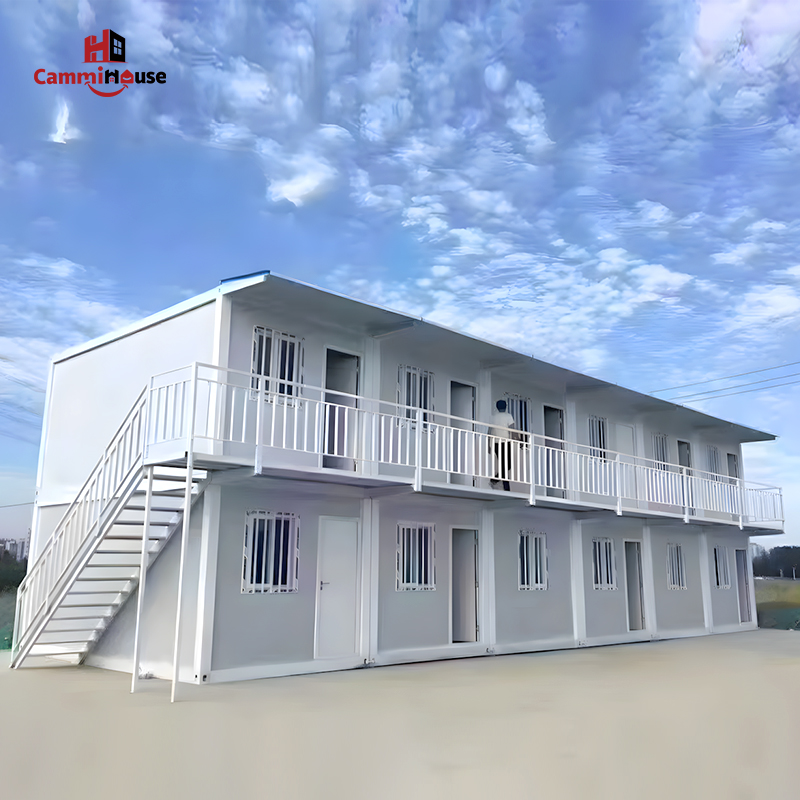
Single 20ft container house: USD 12,000–18,000
40ft container house: USD 18,000–28,000
Multi-unit or customized layouts: USD 25,000–35,000+
According to global modular construction benchmarks published by Statista (2025), modular housing units reduce total build costs by 20–35% compared with traditional construction, mainly through shorter timelines and reduced labor input.
Key Cost Components That Shape Pricing
Manufacturing and Materials
Material specifications drive base pricing. Steel frame thickness (2.3–3.0 mm), insulation type (EPS, rock wool, PU), and interior finish level directly affect factory cost. For example, upgrading insulation from EPS to 75mm rock wool typically increases unit price by 8–12% but significantly improves thermal performance in extreme climates.
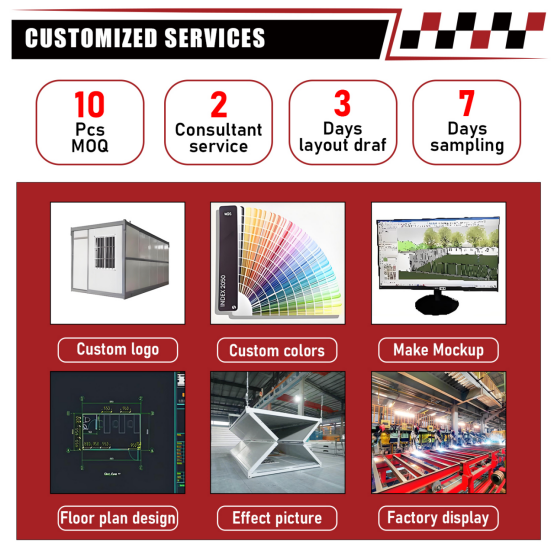
Manufacturers like CammiHouse apply standardized material matrices to control variance, allowing buyers to balance cost and compliance instead of over-specifying unnecessary features.
Transportation and Logistics
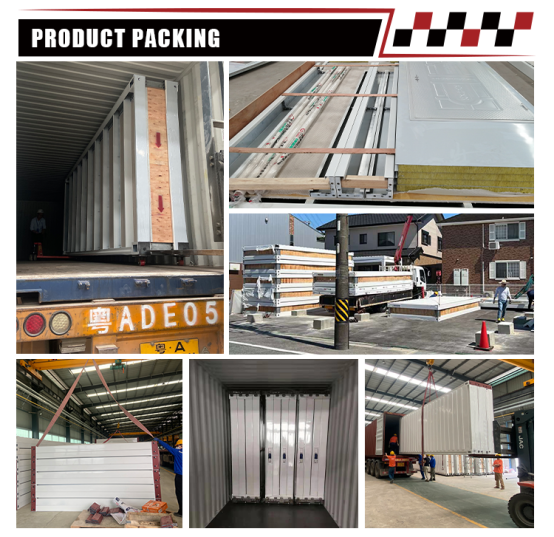
Shipping remains one of the largest cost variables. In 2026, international freight averages USD 3,000–4,500 per 40ft container depending on route. Flat pack container houses reduce shipping volume by up to 70%, lowering total logistics cost on projects over 20 units.
Example:
A 50-unit flat pack project can save USD 60,000–90,000 in shipping versus fully assembled units (source: Drewry Shipping Index, 2025).
Installation and On-Site Expenses
Assembly and Labor
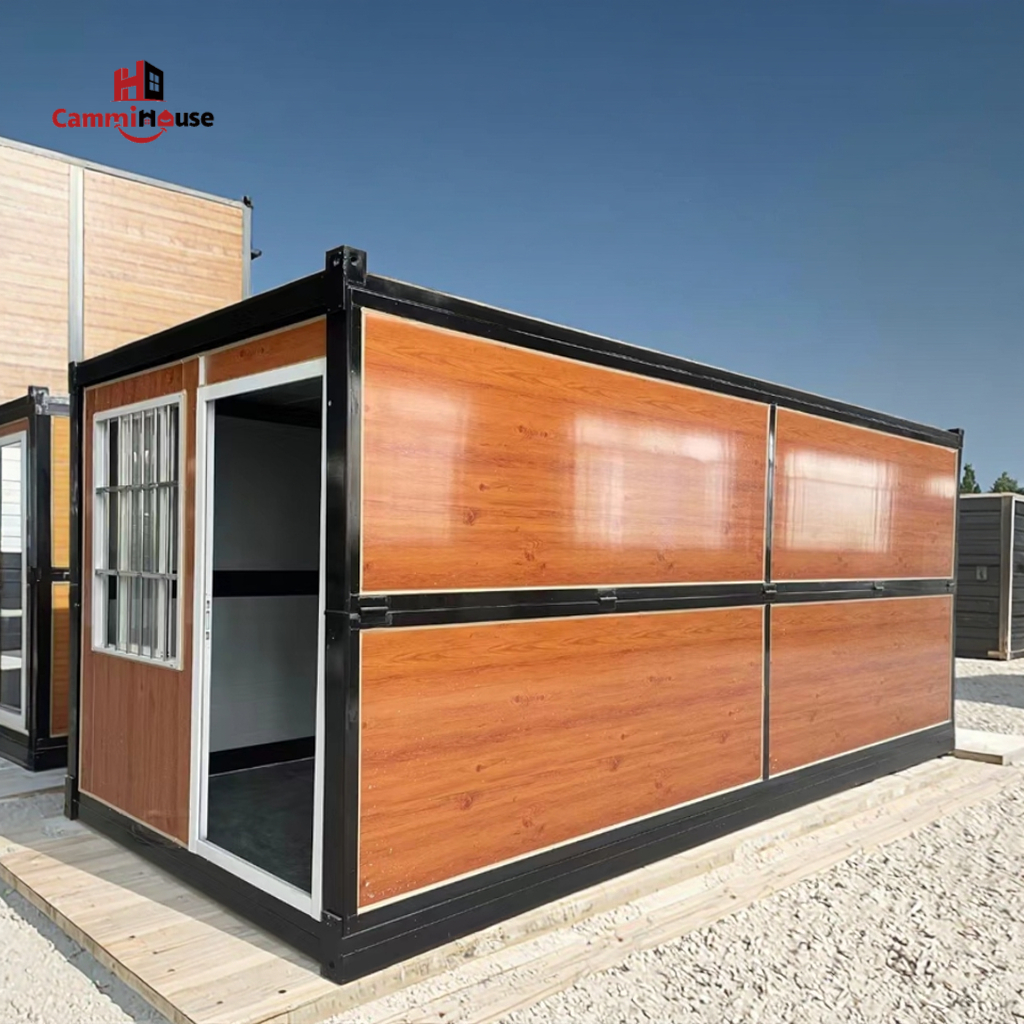
Installation cost depends on container house type.
Flat pack: 6–8 labor hours per 20ft unit
Detachable: ~4 hours per unit
Folding: 15–30 minutes per unit
Labor cost ranges from USD 300–800 per unit globally. In regions with high labor costs, folding or pre-assembled units often deliver better total value despite higher unit prices.
Foundation and Utilities
Foundations typically account for 5–10% of project cost. Simple concrete piers are common for temporary projects, while permanent installations require slab foundations and utility integration (water, power, drainage).
Cost by Application Scenario
Construction Sites and Mining Camps
Typical cost: USD 12,000–16,000 per unit
Focus is durability, speed, and reuse. Flat pack or detachable container houses offer the best ROI for projects lasting 12–36 months.
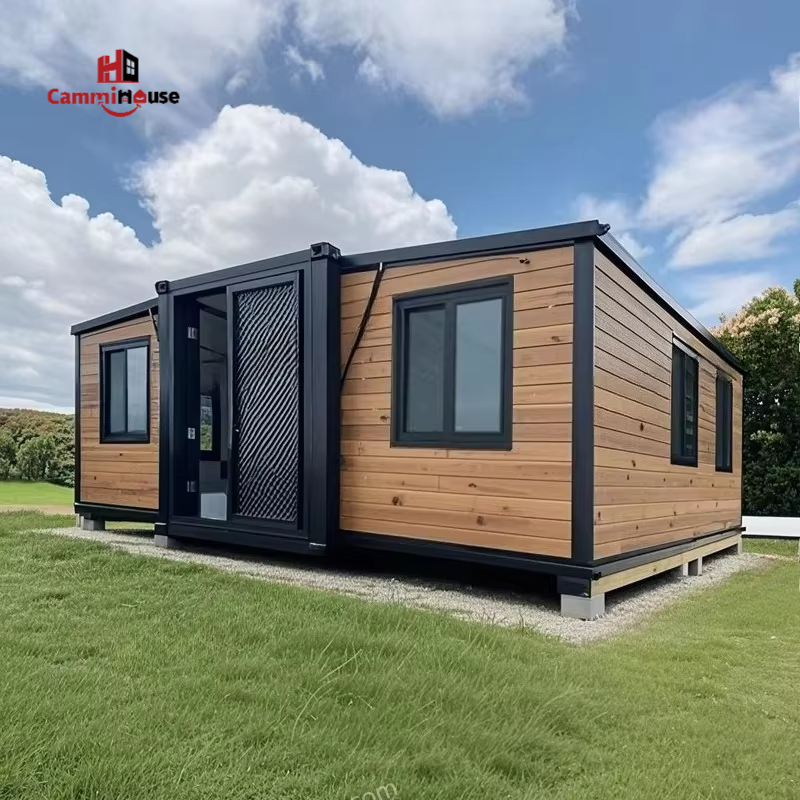
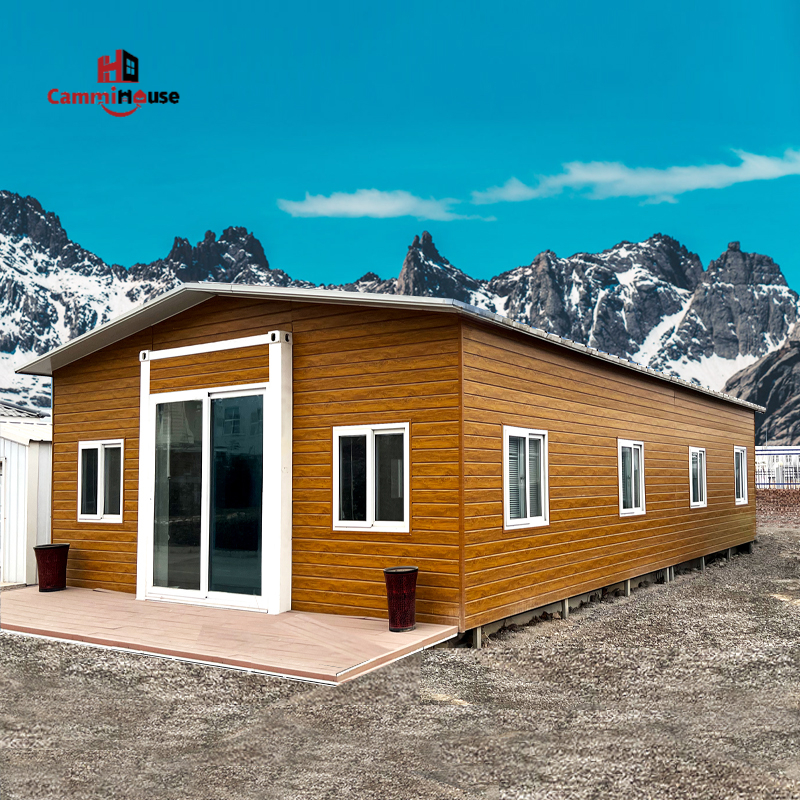
Residential and Rental Housing
Typical cost: USD 18,000–30,000 per unit
Higher interior standards, insulation, and local code compliance increase upfront cost but lower operating expenses over time.
Hotels and Resorts
Typical cost: USD 25,000–35,000 per unit
Panoramic glazing, bathrooms, and custom layouts dominate cost structure. These projects prioritize guest experience and lifecycle value over lowest unit price.
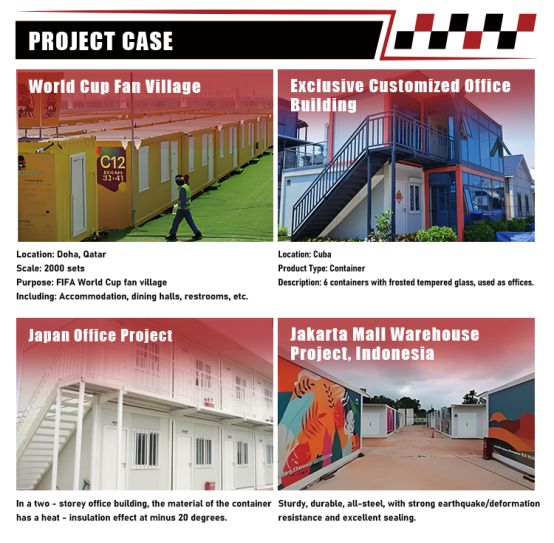
Is a Container House Cheaper Than Traditional Construction in 2026?
In most cases, yes—when total lifecycle cost is considered.
Container houses reduce:
Construction time by 40–60%
On-site labor by 30–50%
Financing and opportunity costs through faster occupancy
A 2025 McKinsey modular housing study found projects achieved up to 25% faster revenue realization, offsetting slightly higher factory costs in premium container units.
How Buyers Control Cost Without Sacrificing Quality
Standardization Over Customization
Excessive customization increases cost exponentially. Modular sizing, standardized bathroom pods, and pre-defined electrical systems keep pricing predictable.
Climate-Driven Specification
Specifying materials based on actual climate—not assumptions—prevents overspending. Arctic, desert, and coastal projects require different upgrades, but not all projects need all options.

FAQs
How much does a container house cost per square meter in 2026?
In 2026, container houses typically cost USD 450–900 per square meter, depending on finish level and location. Basic accommodation units sit at the lower end, while residential or hospitality-grade units with insulation, bathrooms, and glazing reach the upper range. Shipping, installation, and local compliance can add 10–25% to this figure.
What hidden costs should buyers consider?
Beyond unit price, buyers should account for foundations, utility connections, local permits, and installation labor. International projects must also factor customs duties and port handling fees. These costs often represent 15–30% of total project value if not planned early.
Is a container house a good long-term investment?
Yes, when durability and reuse are prioritized. High-quality container houses maintain structural integrity for 20+ years with proper maintenance. Projects using detachable or flat pack systems often recover costs faster due to relocation flexibility and reduced depreciation.
