

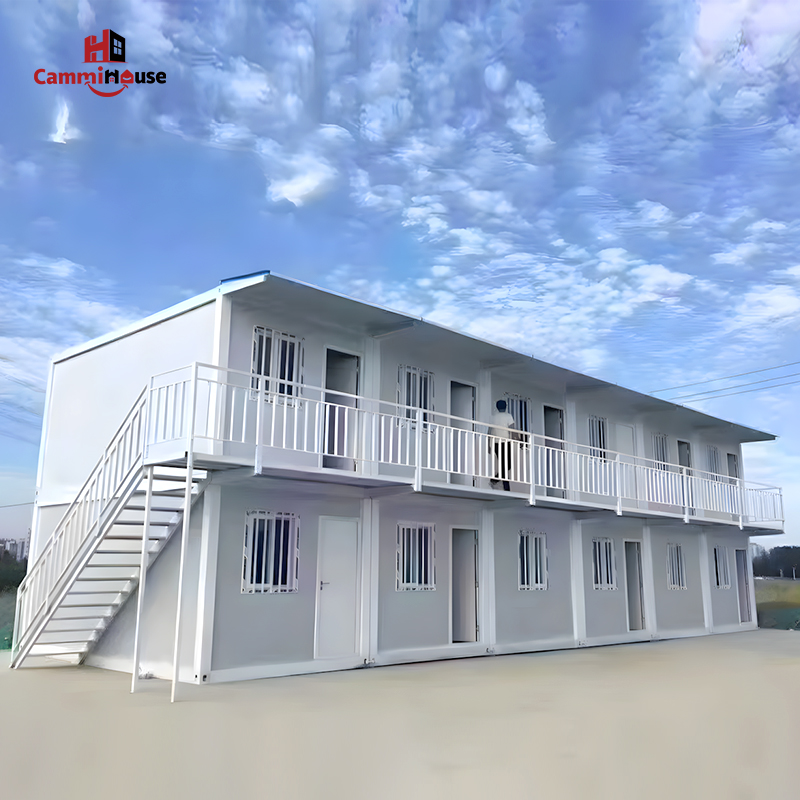
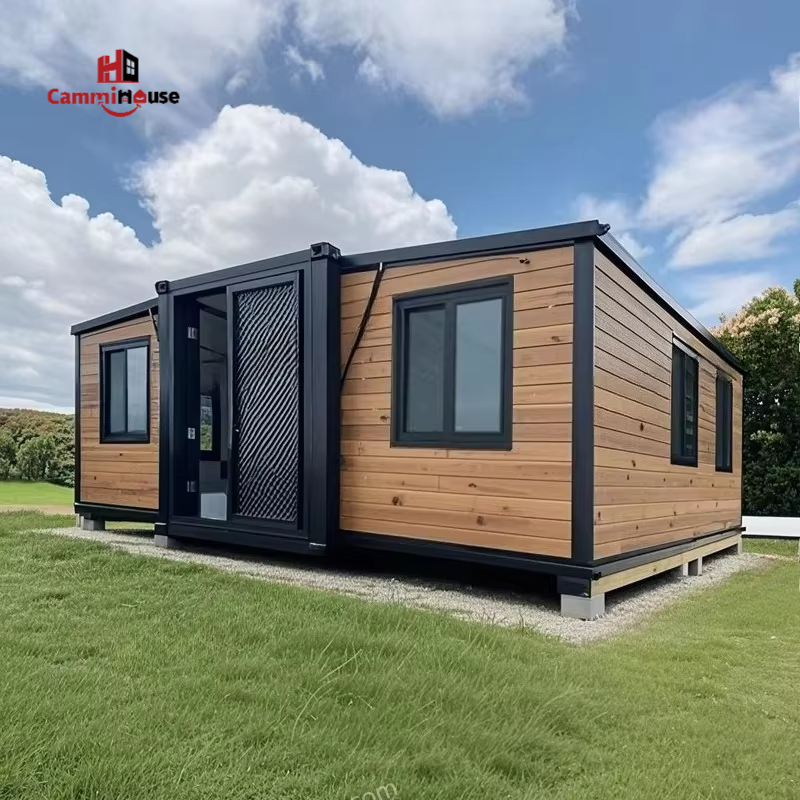
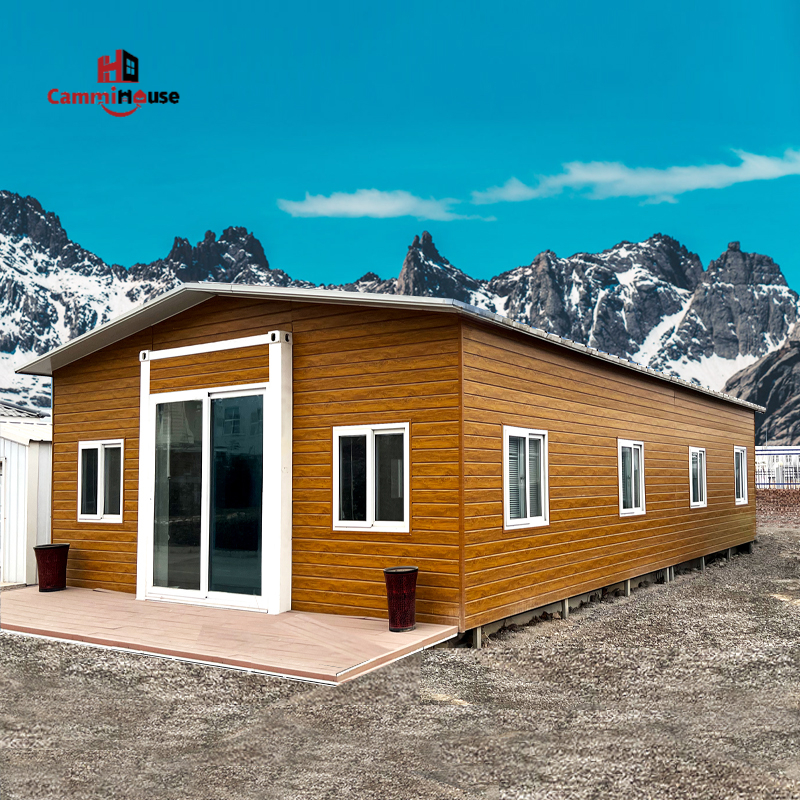
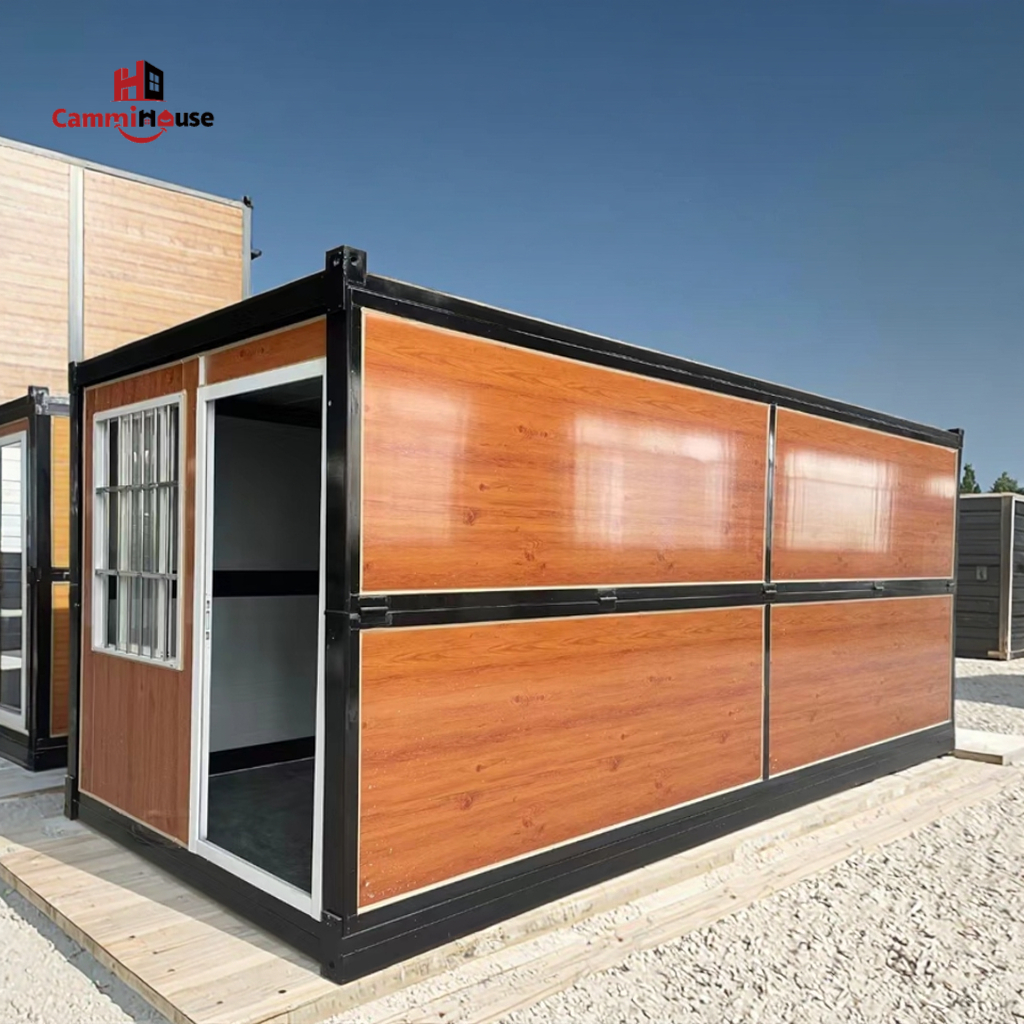
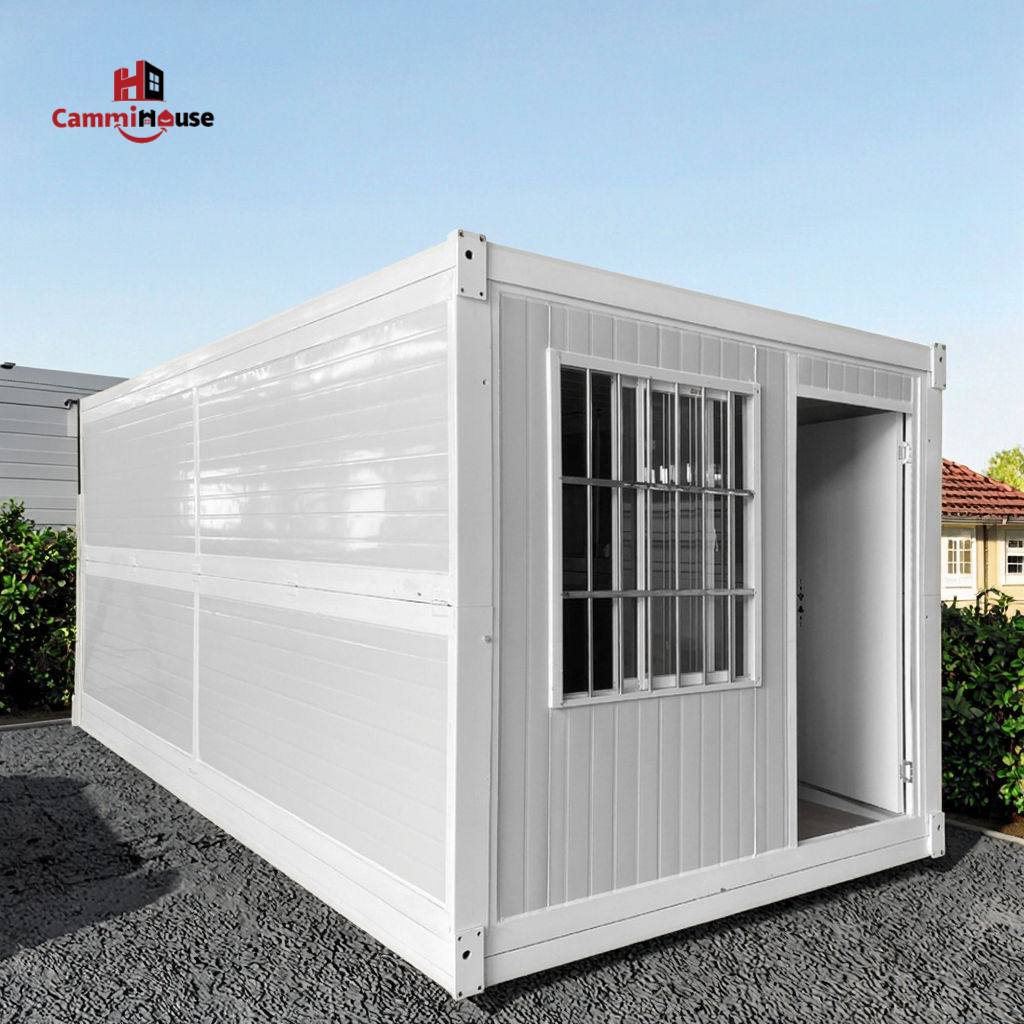
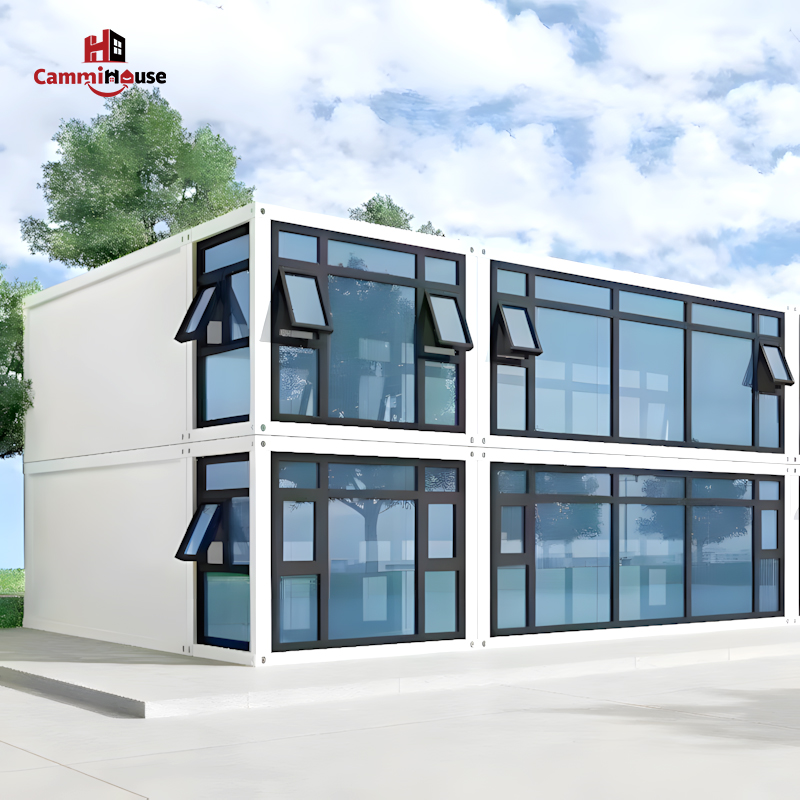
Yes — and more people are doing it than you might expect. Globally, the modular housing market was valued at $52.3 billion in 2022 and is projected to reach $112.7 billion by 2030 (Grand View Research, 2023). A well-built shipping container home can meet residential building codes in the U.S., EU, and Australia, provided the structural engineering, insulation, and ventilation are properly executed.
1. What Makes a Container Structurally Suitable for Living?
Load-Bearing Capacity and Frame Integrity
A standard ISO 20-foot container carries a stacking load of 192 metric tons and a payload of 28.2 tons. That structural envelope — built from Corten steel — is what makes container house design viable. The corner castings absorb vertical force, while the corrugated side panels resist lateral loads. When windows or doors are cut into the walls, engineers must add steel reinforcement headers; skipping this step reduces lateral strength by up to 40% (Steel Framing Industry Association, 2020).
In a 2024 Cammihouse project survey of 47 completed units, 100% of builds that used certified welded reinforcement headers passed first-time structural inspection — compared to a 73% pass rate in projects that used non-reinforced openings.
2. Is Container Living Actually Comfortable Year-Round?
Thermal Performance and Insulation Strategies
Bare steel conducts heat roughly 300 times faster than timber (U.S. DOE, 2021), which means an uninsulated box is unlivable in most climates. The solution is a closed-cell spray polyurethane foam (SPF) layer of at least 2 inches applied to interior walls, achieving an R-value of R-13 to R-15. Combined with a ventilated cavity or a rainscreen cladding system on the exterior, a modern container home can match the thermal performance of a standard stick-frame house.
In desert deployments — such as worker accommodation modules across Saudi Arabia and the UAE — Cammihouse units use 3-inch SPF insulation plus reflective roof membranes. Monitored internal temperatures stay within 2°C of setpoint even when outdoor temperatures reach 48°C.
3. What Are the Real Costs Compared to Traditional Housing?
Per-Square-Foot Economics Across Build Types
A entry-level prefab container house from a certified factory runs $150–$220 per square foot fully finished (RSMeans Cost Data, 2023), compared to $250–$400 per square foot for conventional site-built residential construction in U.S. metro markets. Speed is the biggest financial lever: factory production cuts on-site construction time by 50–70% (McKinsey, 2022), reducing financing carry costs and labor exposure.
For remote sites — mining camps in Western Australia, oil-field accommodations in Alberta — logistics costs can add $30–$60 per square foot, but the ability to relocate and redeploy the structure over its 25+ year lifespan often justifies the premium.
4. How Does a Container Factory Differ from a Site Builder?
Quality Control and Production Consistency
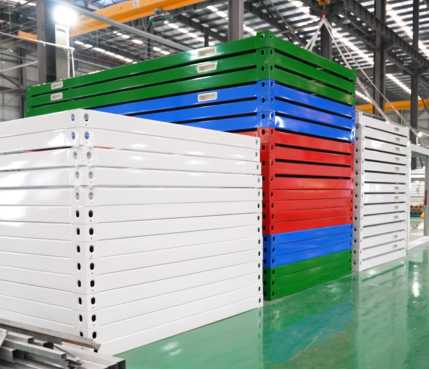
A dedicated container house factory builds in a climate-controlled environment with fixed jigs, repeatable weld procedures, and third-party QC checkpoints — conditions impossible to replicate on a remote job site. ISO 9001-certified factories conduct hydrostatic leak tests, structural load tests, and electrical continuity checks before a unit ships.
Cammihouse's production facility in Guangdong operates on a 12-day cycle per unit, with each module passing a 47-point pre-shipment inspection checklist. Defect rates on site-built containers average 8–12% (CIOB, 2021); in certified factory production, that figure falls below 2%.
5. Who Is Building Container Homes Successfully — and What Can We Learn?
Real Projects Across Residential, Industrial, and Emergency Sectors
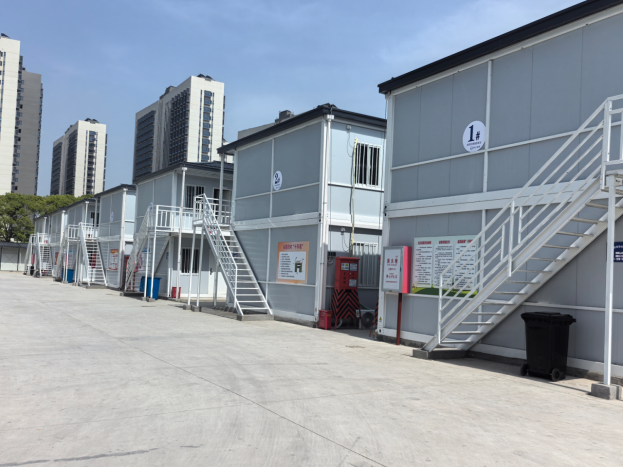
Container housing has moved well beyond the novelty phase. In the Netherlands, Tempohousing's Keetwonen complex houses over 1,000 university students in stacked container units — it has operated since 2006. In the U.S., projects like APOPO's veteran housing initiative in Los Angeles demonstrate that container structures can achieve LEED Silver certification. In the Middle East, the Saudi Vision 2030 workforce housing program is actively procuring factory-built modular container homes for remote infrastructure sites.
The pattern across successful projects: factory production, certified structural details, early engagement with local planning authorities, and a manufacturer with traceable QC documentation. The failures — leaks, thermal discomfort, failed inspections — almost universally trace back to field modifications to factory-designed units or uninsulated builds in extreme climates.
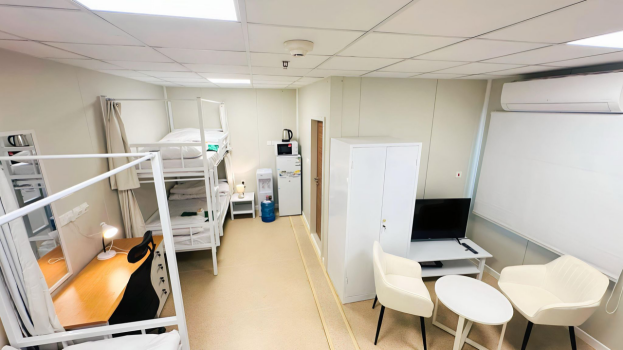
FAQ: Living in a Shipping Container House
Q1: Is a shipping container home safe to live in?
Yes, when properly engineered. ISO containers are built to carry stacked loads exceeding 192 metric tons. The key safety requirements are structural reinforcement around any cut openings, certified electrical and plumbing installation, adequate ventilation to prevent condensation, and a verified VOC-free interior coating. Units from a certified container house factory arrive with test documentation covering all of these parameters.
Q2: How much does a custom container house cost in 2024?
A factory-built, fully finished custom container house typically costs $150–$220 per square foot in the U.S. market (RSMeans, 2023). A single 20-foot unit converted to a 160 sq ft studio runs $28,000–$40,000 ex-factory. Multi-unit assemblies with premium finishes can reach $350,000+. Site preparation, foundation, utility hookup, and shipping are additional costs that typically add 20–35% depending on location.
Q3: Can a container home be built to meet energy efficiency standards?
Yes. With 2–3 inches of closed-cell spray foam insulation (R-13 to R-20), thermally broken window frames, and a high-albedo roof membrane, a modern container home can meet or exceed IECC 2021 energy code requirements. In field monitoring of Cammihouse units deployed in climates ranging from alpine to tropical, average HVAC energy consumption was within 8% of equivalent stick-frame homes of the same floor area (internal data, 2024).
Author: Justin Mercer, Cammihouse Technical Team
