
By Justin Mercer, Cammihouse Technical Team
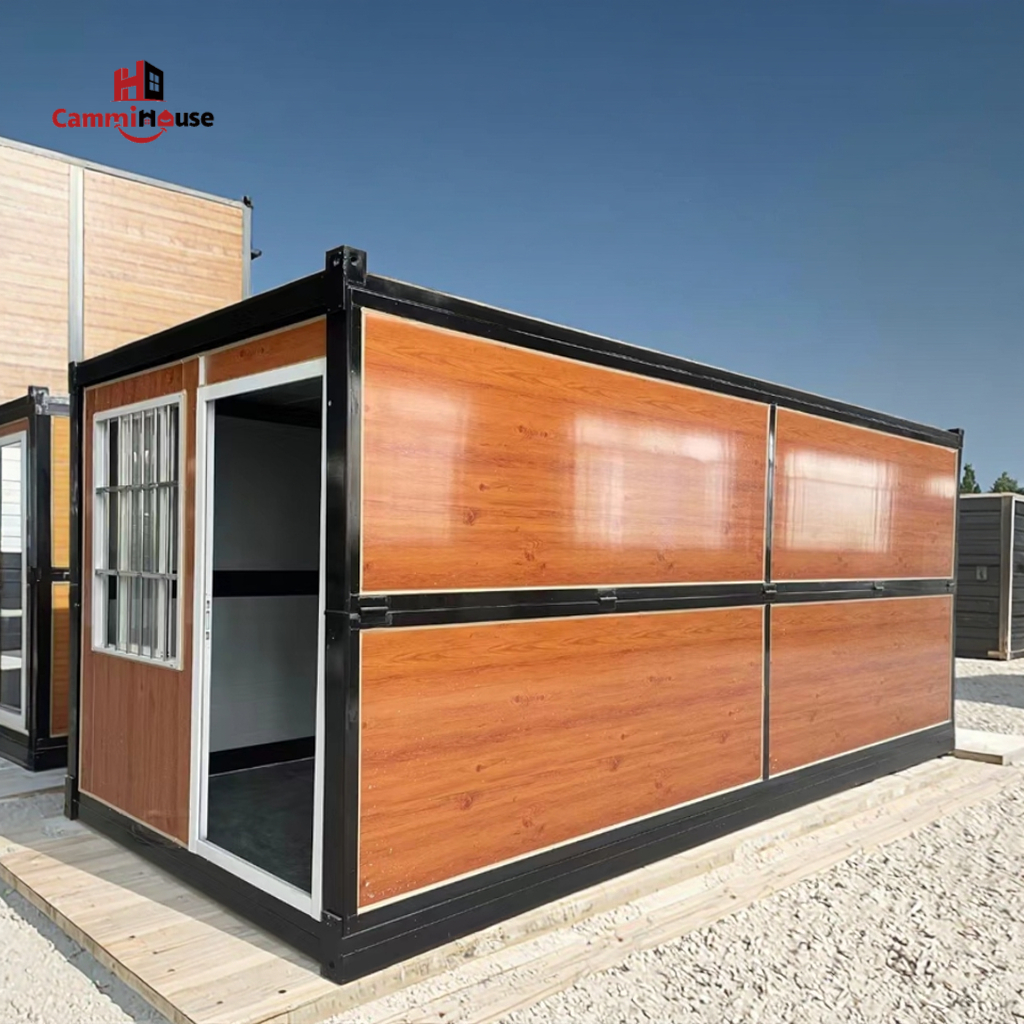
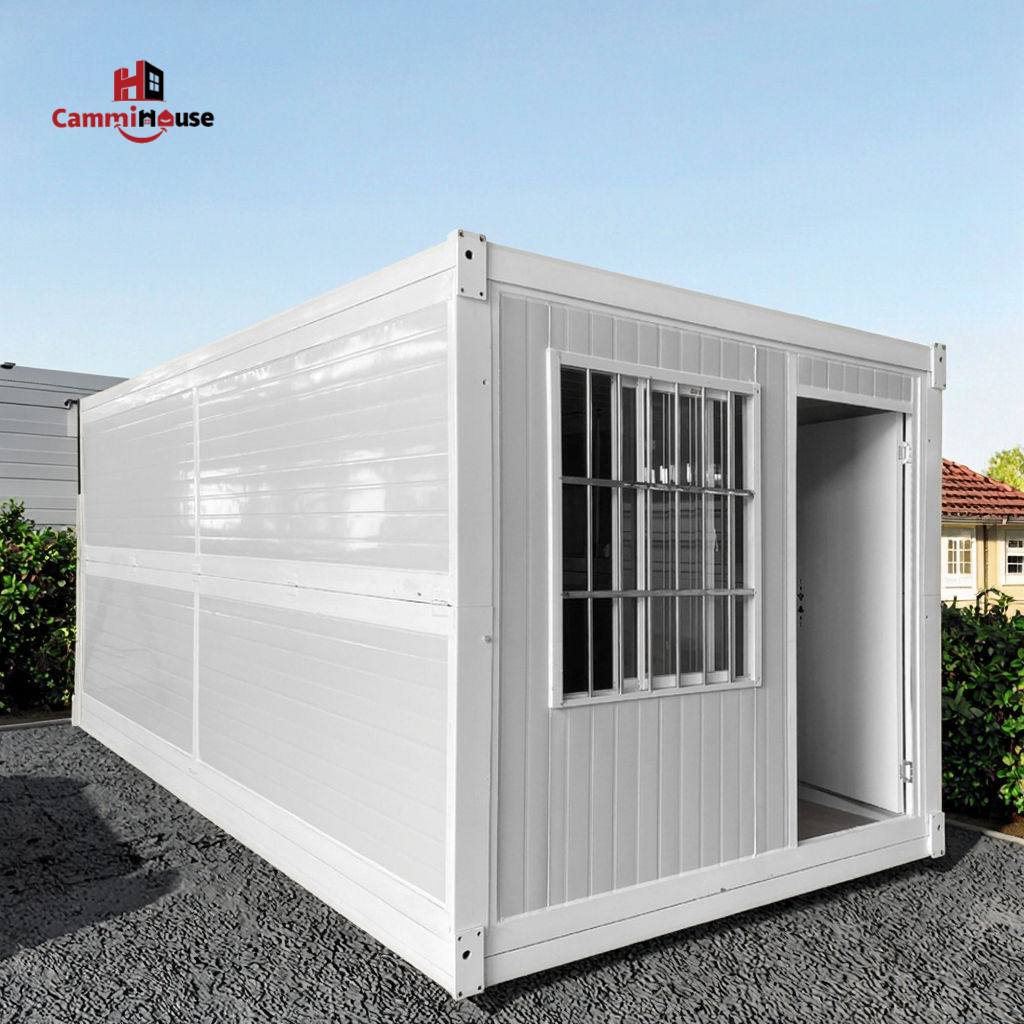
Deploying staff accommodation on remote project sites demands speed, structural reliability, and occupant comfort. A custom container house delivers all three — factory-built units ship in 8–14 weeks versus 6–9 months for masonry construction (McKinsey, 2022). Below are eight decisions that determine whether your camp performs or fails.
1. Speed and Cost Advantage Over Conventional Builds
Factory-built units cut on-site labour by 35–50% compared to stick-built camps. Material waste drops by roughly 30% (U.S. EPA, 2021), and a fixed factory price eliminates the cost volatility typical of remote site construction.
Case: Australian Mining Camp
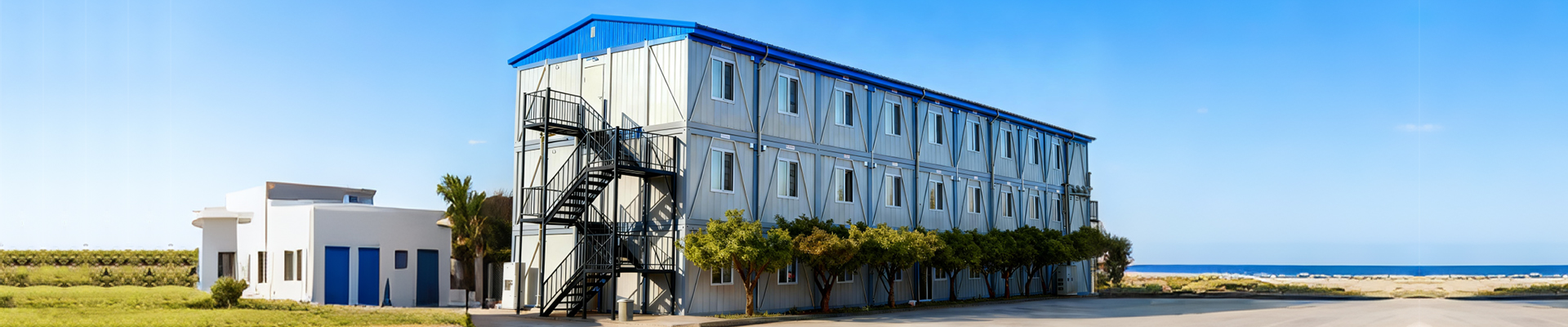
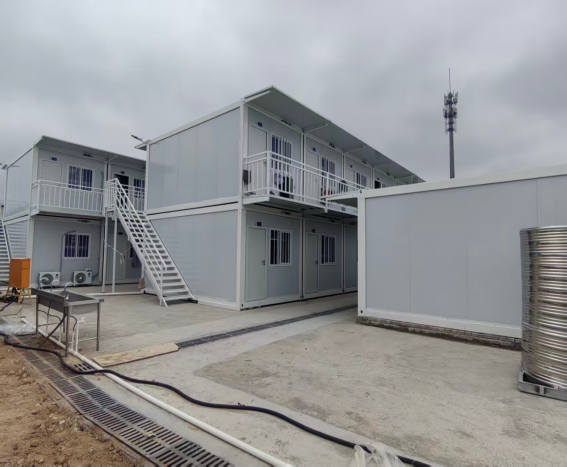
A 120-room prefab container house camp in Western Australia was commissioned in 10 weeks — four weeks faster than the project's brick-and-mortar alternative — by pre-wiring all electrical modules in the factory.
2. Climate-Specific Container Specification
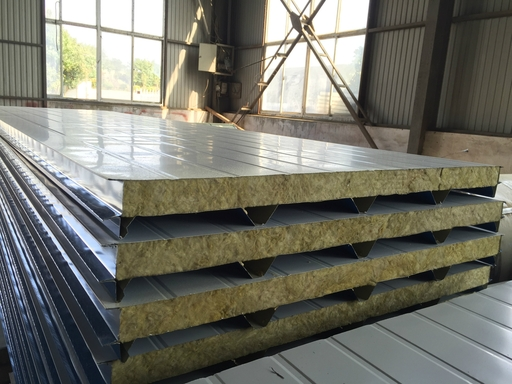
Standard ISO containers suit mild climates. Middle East deployments require high-cube units (2.9 m internal height) with 100 mm polyurethane insulation rated ≤0.25 W/(m²·K). Inadequate insulation raises HVAC energy use by 35–55% (U.S. DOE, 2021).
Insulation Is a Budget Line, Not an Option
Specifying thermal performance upfront — not after tender — prevents energy cost overruns across the full camp operating life, which commonly exceeds five years on large infrastructure projects.
3. Layout Customization by Staff Category
Effective container house design assigns room types by role: senior engineers need a private en-suite with a 4 m² work area; supervisors share bathrooms at a 1:4 ratio; bunk rooms run at 2.2 m × 0.9 m per berth with 90 cm aisle clearance.
Modular Grid Combinations
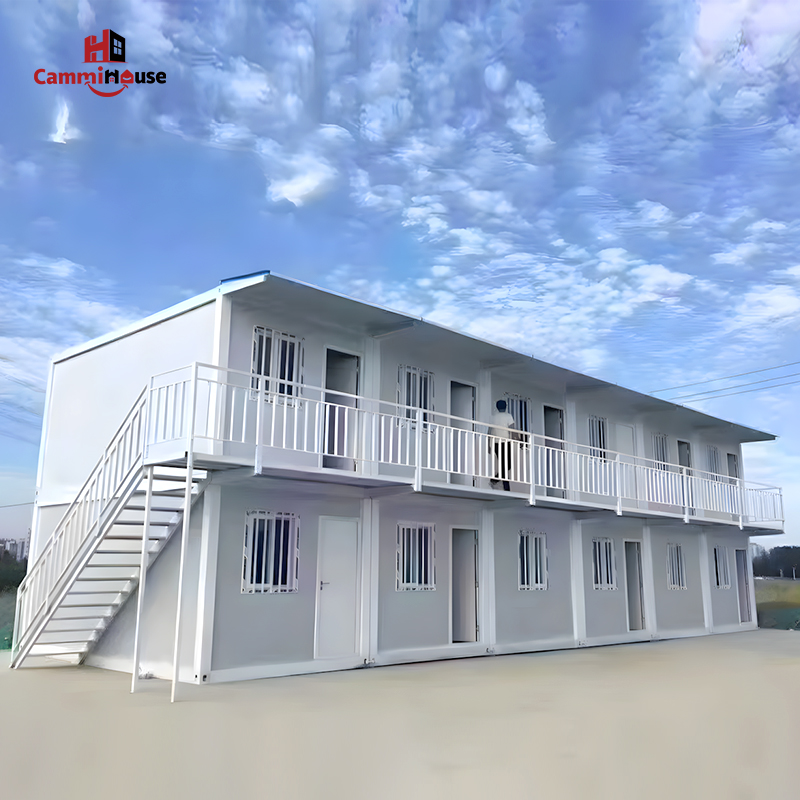
Two 20-foot units joined end-to-end via a structural junction plate create 37 m² — enough for a mess hall or briefing room — without any additional engineering rework at each new project site.
4. MEP Integration: Power, Water, and Waste
Pre-plumbed shipping container home units with push-fit manifolds connect to a central services spine in under four hours. On-site rough-in plumbing averages 18–22 labour-hours per room; factory pre-fitting saves roughly 1,800 hours on a 100-room camp.
Solar Hybrid Power
A 150 kW solar array with 200 kWh battery storage cuts diesel consumption by 55–65% (IEA, 2022), with a typical payback of 2.8 years. Cammihouse includes solar-ready cable trays and roof brackets as a standard factory option.
5. Structural Compliance and Fire Safety
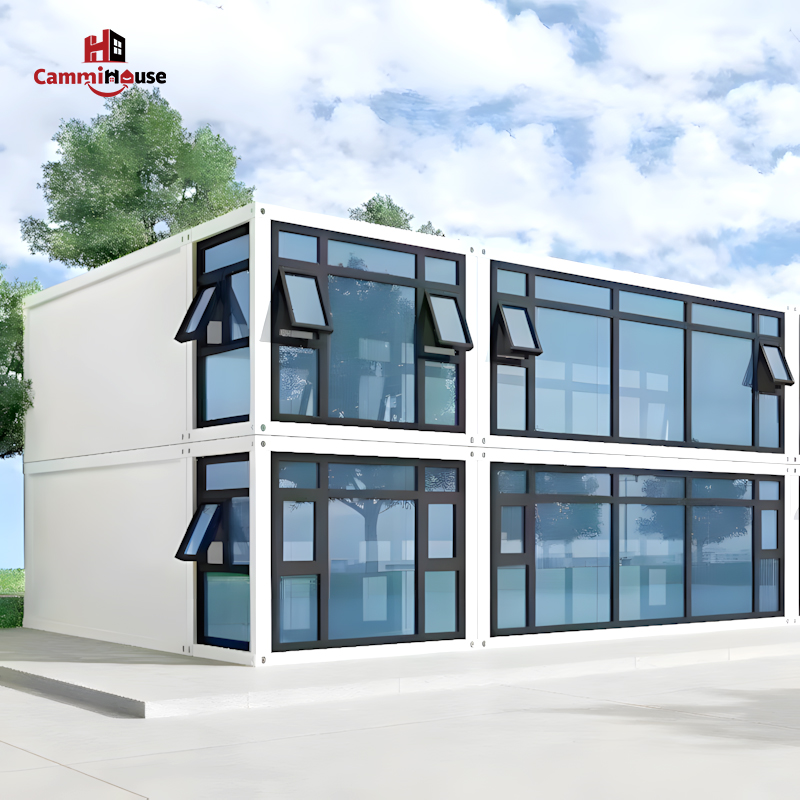
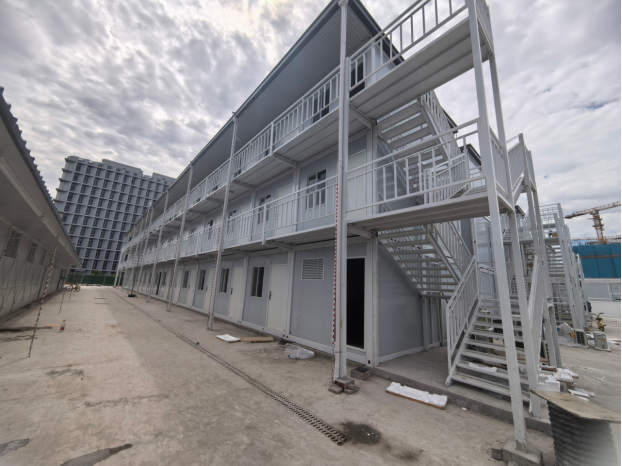
Multi-storey stacks must meet IBC Section 903 sprinkler requirements (U.S.) or equivalent local codes. Steel frames require intumescent paint rated to 60- or 90-minute fire resistance. A credible container house factory supplies CE marking, material test reports, and third-party thermal certificates for every unit.
Audit-Ready from Day One
In a 2024 Cammihouse project survey across 14 camps in Southeast Asia and the Gulf, 100% passed first-time local authority inspection — the result of standardised factory QA checklists, not site-by-site improvisation.
6. Staff Wellbeing and Long-Rotation Ergonomics
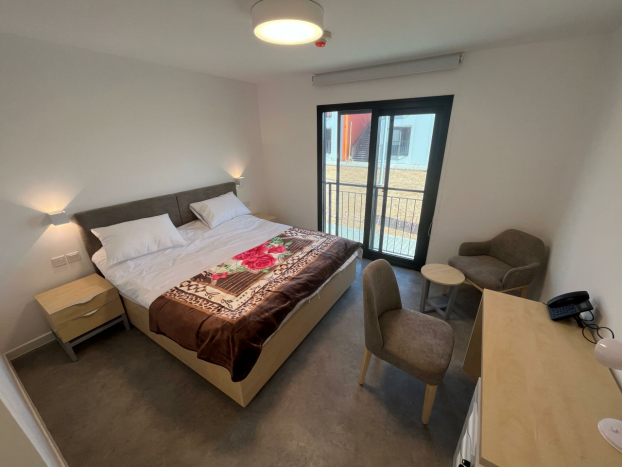
Workers on 28/28 rotations need acoustic insulation between rooms (STC ≥ 45 dB), blackout blinds, and a 600 mm × 900 mm window per room — natural light improves occupant satisfaction by ~18% (AECOM, 2021). Adding a gym module and quiet room reduces voluntary turnover by ~12 percentage points (Minerals Council of Australia, 2022).
Amenity Modules Fit the Same Grid
Gym, recreation, and prayer-room containers slot into the standard structural bay without additional civil works — specifying them upfront costs less than retrofitting after complaints start arriving.
7. Middle East and Africa: Market-Specific Adaptations
Gulf commercial camps operate in 45°C+ conditions; supply-air must reach ≤18°C using inverter split-AC units at COP ≥ 3.5. White reflective roofing membranes cut solar gain by 28% versus unpainted Corten steel (ASHRAE 90.1, 2020). Separate prayer rooms (≥12 m²) and segregated dining areas are contractual requirements on most GCC EPC projects.
Specify Cultural Adaptations at Factory Stage
Retrofitting internal partitions on-site adds USD 800–1,200 per unit. Experienced manufacturers familiar with KSA, UAE, and Qatar permit requirements can embed compliance into the original factory layout at zero net cost.
8. How to Evaluate a Container House Manufacturer
Assess suppliers on four measurable criteria: (1) monthly factory output in units, (2) certifications held (ISO 9001, CE, AS/NZS), (3) reference projects with verifiable contacts, and (4) post-delivery support response time — ideally ≤72 hours for structural and MEP faults. Price per m² is only useful when insulation spec and MEP fit-out level are normalised across bids.
What a Transparent Proposal Looks Like
A credible proposal for a modular container home camp lists: steel grade (Q355B or ASTM A572 Gr.50), insulation U-value, window U-value, and per-circuit electrical load. Cammihouse provides an IFC-format BIM model with every proposal above 20 units, so clients can integrate the camp directly into their project site plan before committing.
FAQ
Q1: How long does it take to install a 50-room container staff camp?
From site-ready date, a 50-room camp typically reaches full occupancy in 6–10 weeks. Factory production (4–6 weeks) runs concurrently with civil groundworks preparation. Remote sites with limited crane access or international customs clearance may add 2–3 weeks. Build a 10% schedule buffer into your programme for unexpected logistics delays.
Q2: What does a commercial container camp cost per room?
A basic single-occupancy bunk room with shared bathroom, split AC, and LED lighting runs USD 8,000–11,000. A fully fitted en-suite room with furniture, data cabling, and solar-ready MEP sits at USD 14,000–18,000 ex-works. Transport and foundation work adds 15–35% depending on site remoteness and ground conditions.
Q3: Can container camps be relocated and reused after a project ends?
Yes — units can be demounted and redeployed 3–5 times over a 20-year lifespan with normal maintenance. Reuse requires bolted (not welded) inter-unit connections, removable utility tie-ins at each unit boundary, and a confirmed transport-packaging spec at purchase. Structural re-certification by inspection is required after each relocation.
