1. Why a Factory Visit Changes Purchasing Decisions
Photos and spec sheets only take you so far. After that it's guesswork. A walk through the factory changes that — you see how the units actually go together, frame, insulation, wiring, the works. Questions email never quite answers, like real pricing and real lead times, get settled face to face. Even the small details nobody writes down come up on their own. Buyers who make the trip before ordering end up with fewer surprises after delivery, and they settle terms faster. It sounds simple, but that's the difference.
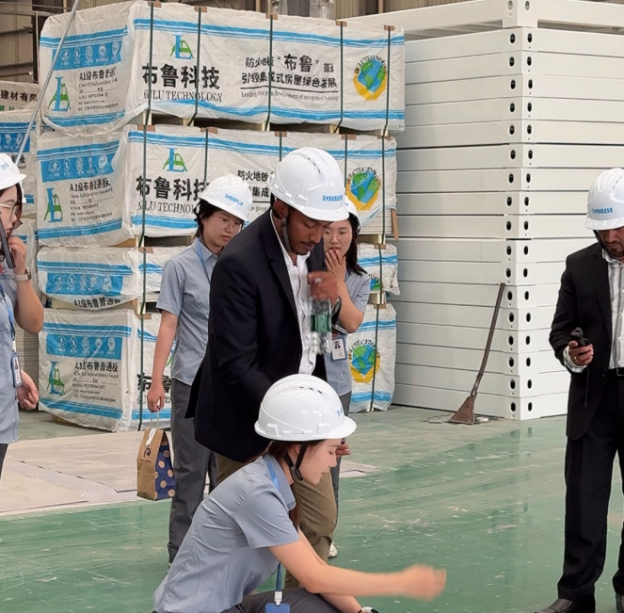
What Delays Look Like When Buyers Skip the Visit
Say a wiring standard doesn't match, or the voltage is set wrong. With no visit, nobody notices — until the container shows up on site. That's a hard way to learn. Most camp project delays we've seen trace back to specification errors nobody caught in time. A short walk down the line would've flagged them long before shipping.
2. What Operators See on the Folding Container House Line
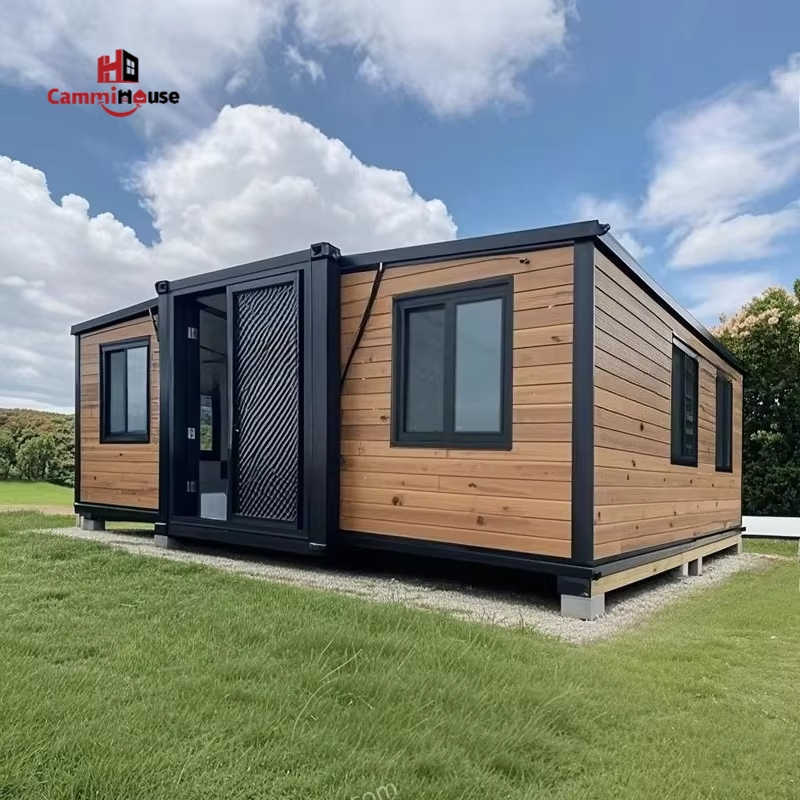
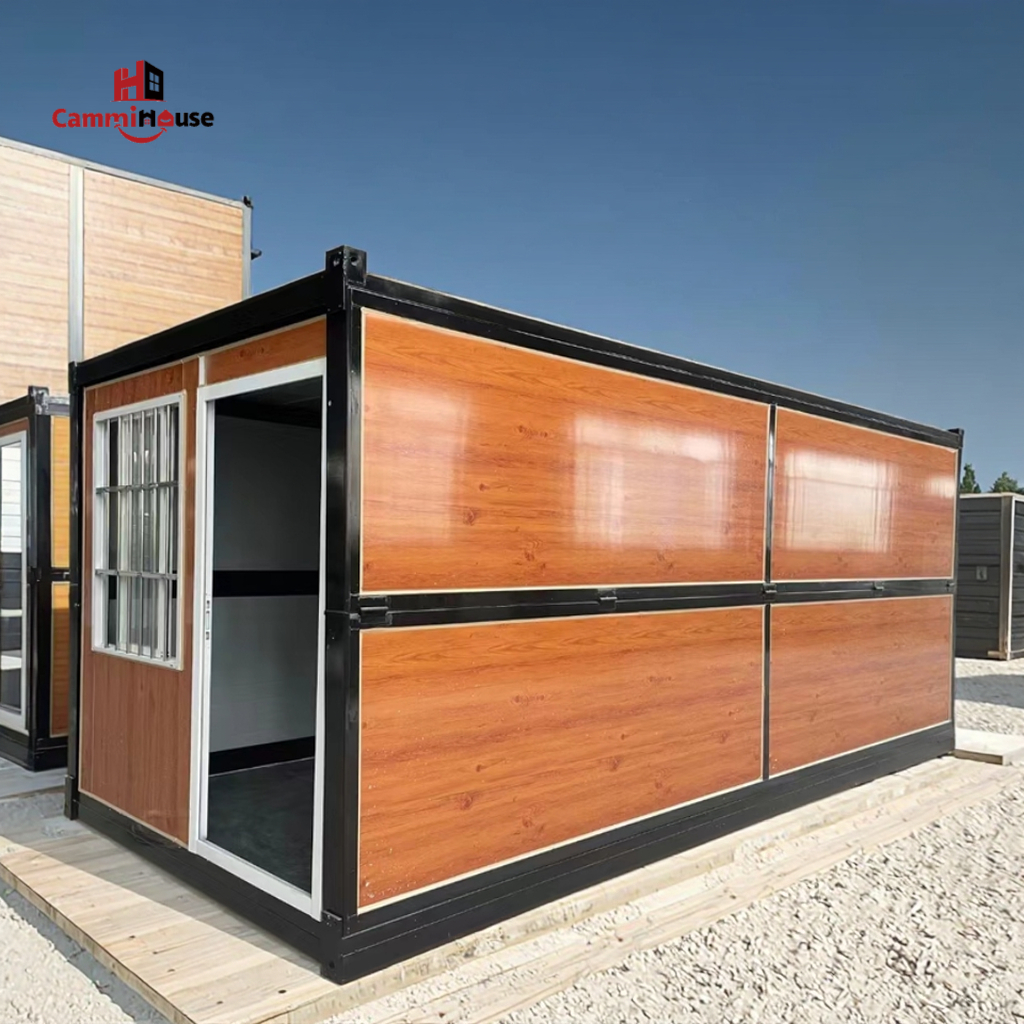
Watch a folding container house come through welding, insulation, wiring — the walls still flat, everything open to see. See that sequence once, in person, and you'll know exactly what sits behind the interior panel. No brochure photo gets you there.
Inspecting the Steel Frame Before Painting
Ask to see the frame before the paint goes on. Seam welds are still out in the open at that point — check them against the drawing right there. Once the finish coat is on, a frame problem can hide for good. If you're on the floor anyway, this is the stage worth asking for.
3. Comparing 20ft and 40ft Units Side by Side
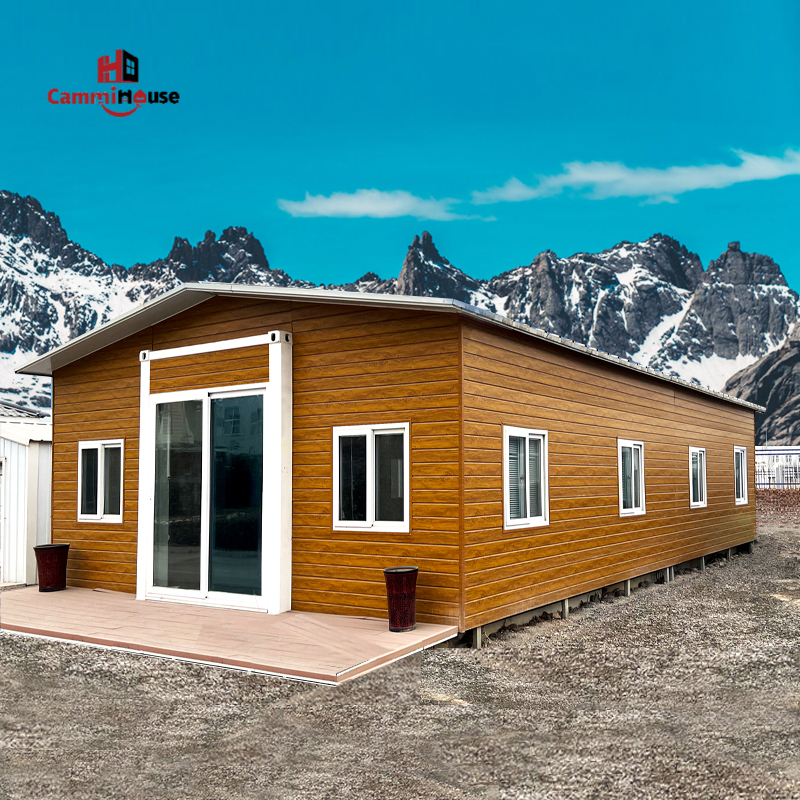
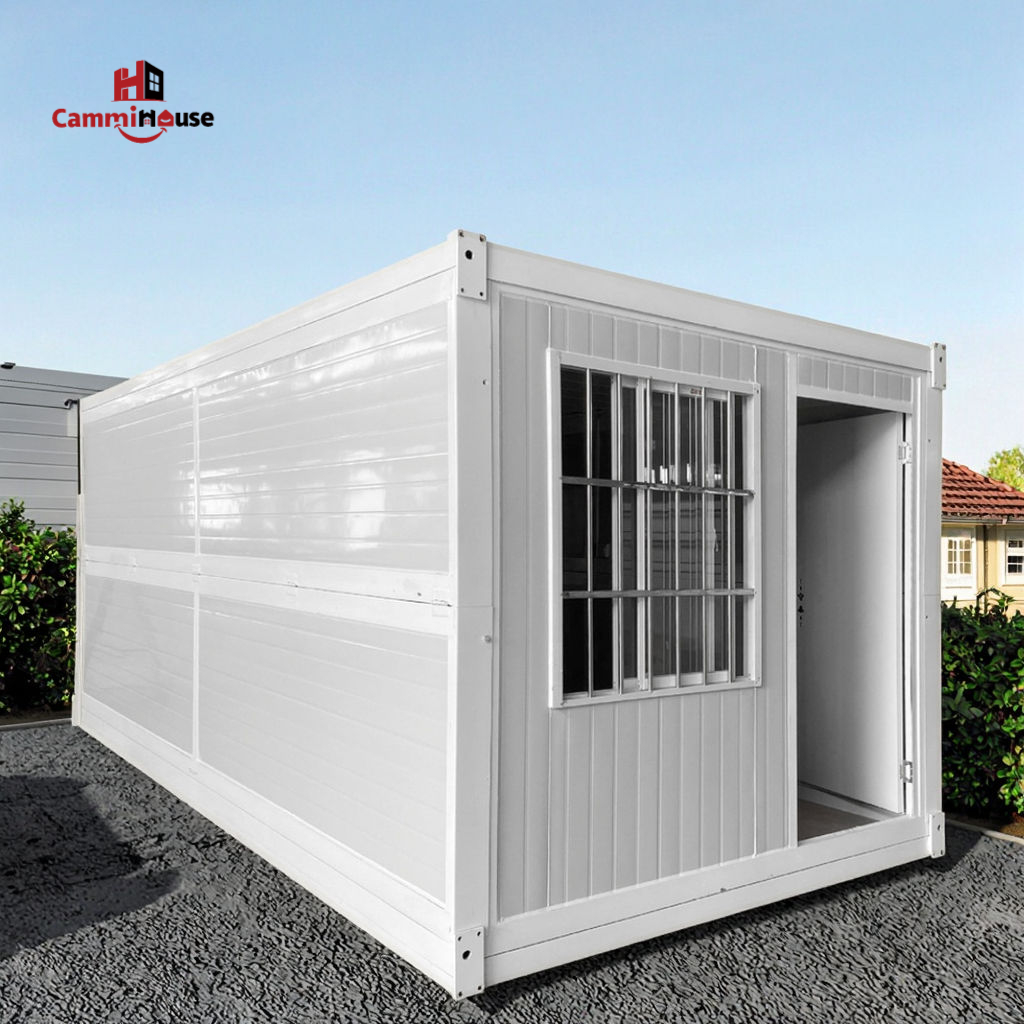
Standing between the two sizes tells you more than any spec table. A 20ft foldable container house is a single room — call it 15-17 square meters. Then step into a 40ft shipping container: the floor space doubles right in front of you. That's a proper shared room, not a squeeze
Testing the Fold Cycle in Person
While you're there, ask them to fold and unfold a demo unit. Watch the clock — under three hours, two workers, straight from our own assembly logs. Not a number off a marketing sheet.
4. Walking Through a Container Dormitory Mockup
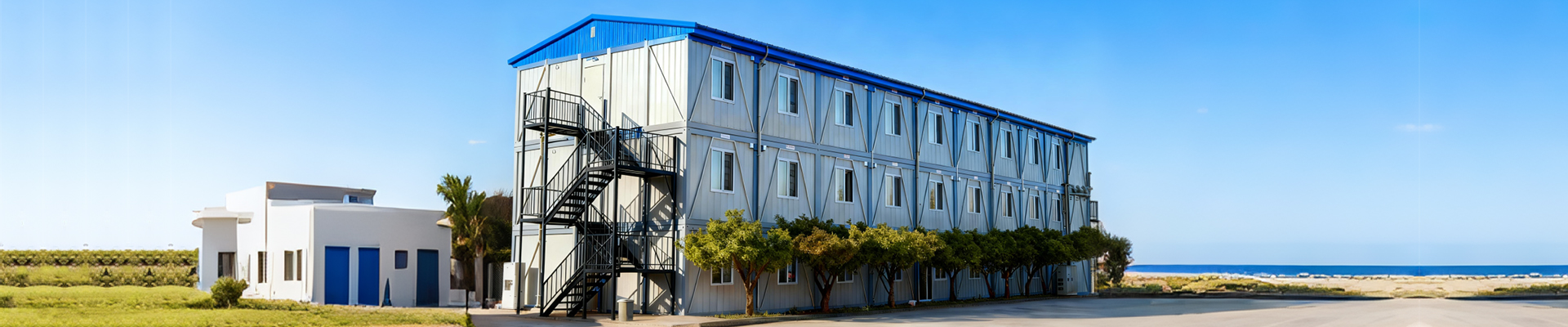
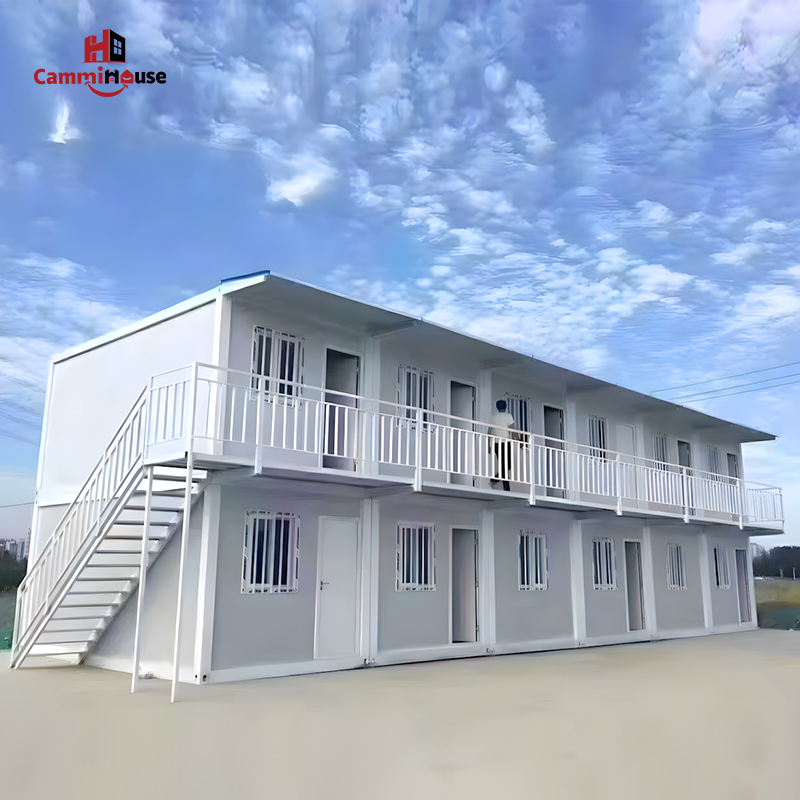
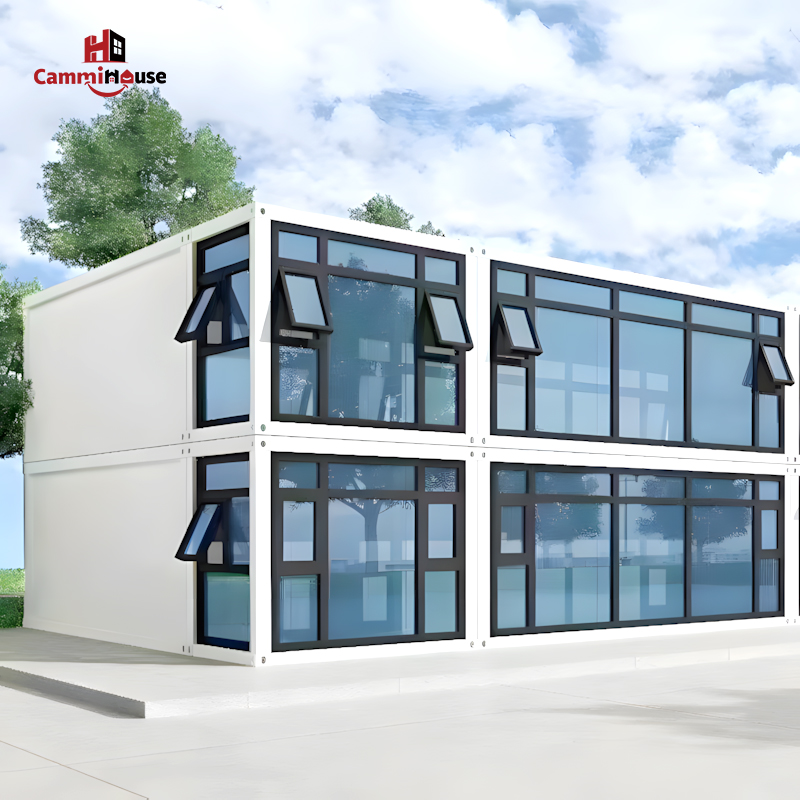
Most factories keep a finished container dormitory mockup on site. Walking through one tells you a lot that drawings quietly compress — real corridor width, real bunk spacing, the actual feel of the space.
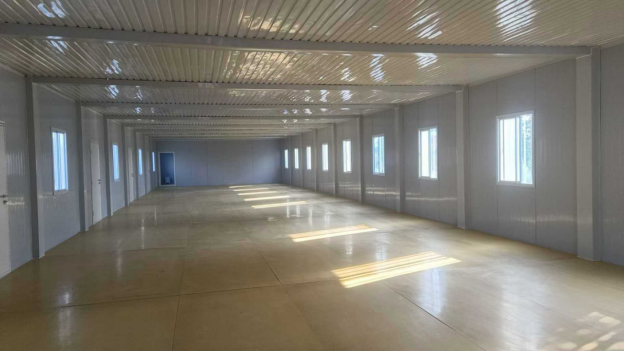
Checking Utility Routing Before Shipment
Follow the plumbing riser and power conduit through the mockup and you’ll know whether the connections will actually line up when units get joined into a block. Catching that at the factory beats paying for on-site rework later.
5. Camp Cabin Customization Options You Can Only See On-Site
The sample panels at the factory show what a finished Camp Cabin really looks like. Online fabric swatches and paint chips never match under real light — in the sample room you can hold them up side by side and see for yourself.
Interior Finishes for Different Climates
Buyers headed to the Gulf usually ask for reflective roofing and extra insulation batts. Cold-climate camps want thicker floor insulation. Both are easy to compare side by side in the sample room — and hard to judge from photos alone.
6. Quality Control Checkpoints Worth Watching
Load testing and weld inspection — those two tell you more about long-term durability than anything else on the line. Every unit gets tested against ISO 1496-1 stacking standards before it leaves the factory. Ask to watch one. It's the only way to know the test doesn't get skipped just because an order is running late.
Load Testing and Weld Inspection
They load a finished unit to rated capacity and hold it there while the welds get checked for stress cracking. Takes about 40 minutes per unit on a standard line.
7. Negotiating Terms After a Factory Tour
You'd be surprised how much easier pricing gets after a tour. The buyer's just stood inside the units, run a hand over the welds, checked the floor — there's no spec sheet to hide behind anymore. So terms get settled around what he actually saw, not a generic quote. And less comes back to bite either side later.
Case Study — Middle East Operator Visit
We've got one case on file from 2024 that says it all. A Gulf-region operator came to the factory, walked the line before he signed anything, and picked units that were already well along in production. His agreed lead time went from 10 weeks to 7 — just because he'd seen them first.
8. What to Ask the Factory Engineer During the Tour
Don't walk in without a list. Write down what matters — certification, warranty terms, after-sales support — and ask it all while you're standing on the floor. Get answers straight from the people who build the units. Try the same questions over email later, and they're slower to come — and easier to dodge.
Questions About Corner Casting Certification
The corner castings carry a certificate number — ask to see it. Match it against the ISO 1496-1 marking stamped on the unit. They should line up. If they do, that's your stacking and lifting rating, confirmed before you pay a cent.
FAQ
Q1: Is a factory visit necessary before ordering camp housing units?
Not mandatory — but worth it. You get to check the wiring, the welds, and the finishes before you sign, and in our experience, that’s exactly what keeps post-delivery disputes from ever happening in the first place.
Q2: What should I check first when touring a container production line?
Look at the steel frame before it’s painted, then watch a fold-cycle demo. Those two checks tell you more about weld quality and real assembly time than any spec sheet.
Q3: How long does a typical factory tour and negotiation take?
Plan for one to two days. In one of our 2024 projects, negotiating on-site right after the tour trimmed the agreed lead time from 10 weeks to 7.
Justin Mercer, Cammihouse Technical Team
