

By Justin Mercer, Cammihouse Technical Team.
1. Container Homes Cost $4,000 to $35,000
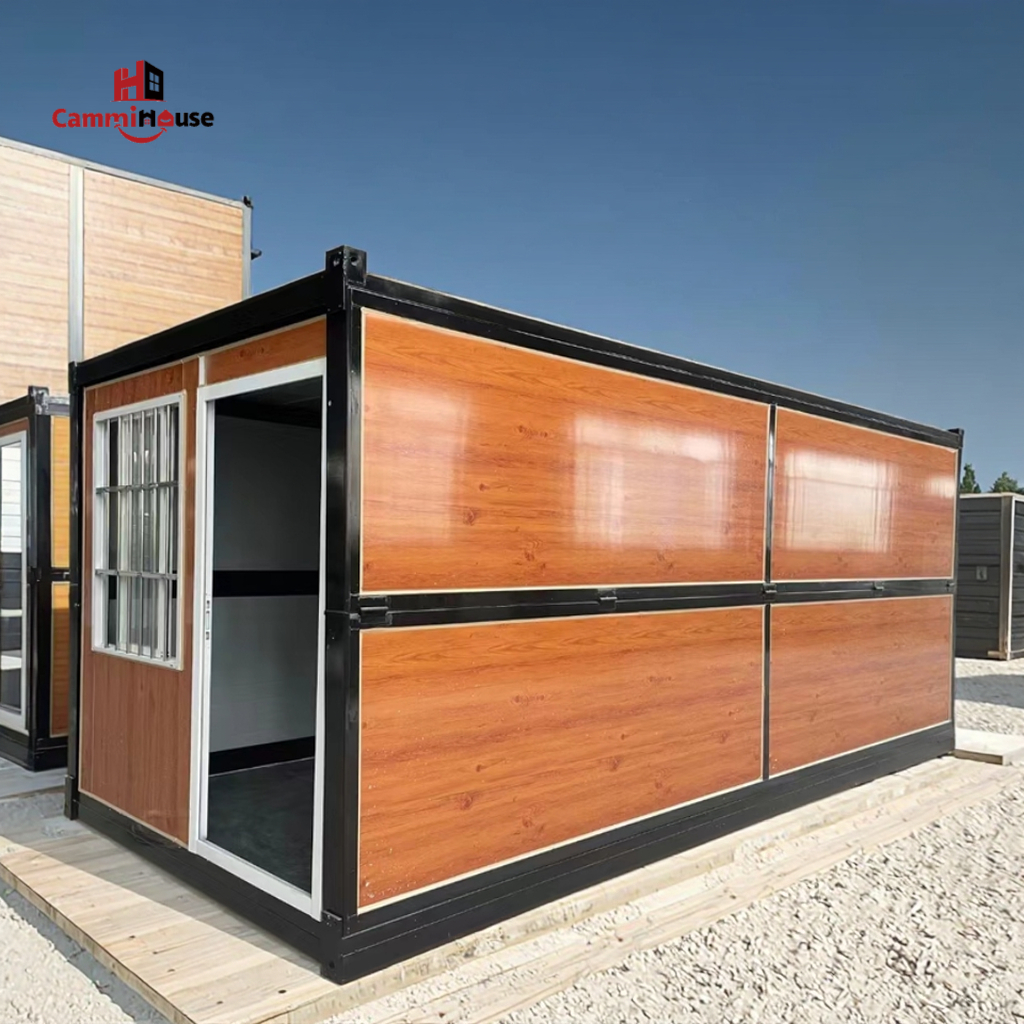
Ex-works, a finished container home lands somewhere between $4,000 and $35,000. Size, build quality, and layout are what move it along that range. On a typical 20ft build, $9,800 is a fair middle-of-the-road number to work from. Anything advertised as a container house for sale below $4,000 deserves a second look. At that price, the wall insulation and interior linings have almost certainly been left out.
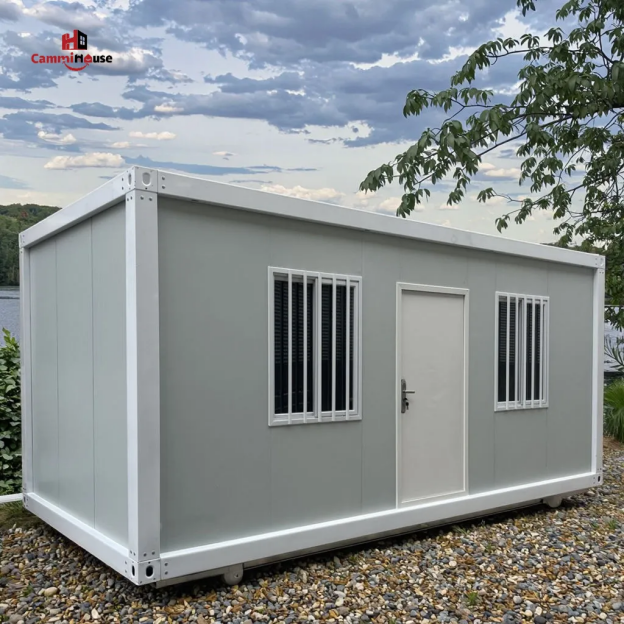
Price Bands by Size
Rough numbers to plan around: $4,200 to $6,500 for a compact 12ft unit, $8,000 to $14,000 for a standard 20ft layout, and $18,000 to $35,000 for a fully outfitted 40ft multi-room home. All of it covers the factory build. Ocean freight, foundation piers, and local installation sit outside these figures and land on your total budget
2. Expandable Container House Cuts Cost per m²
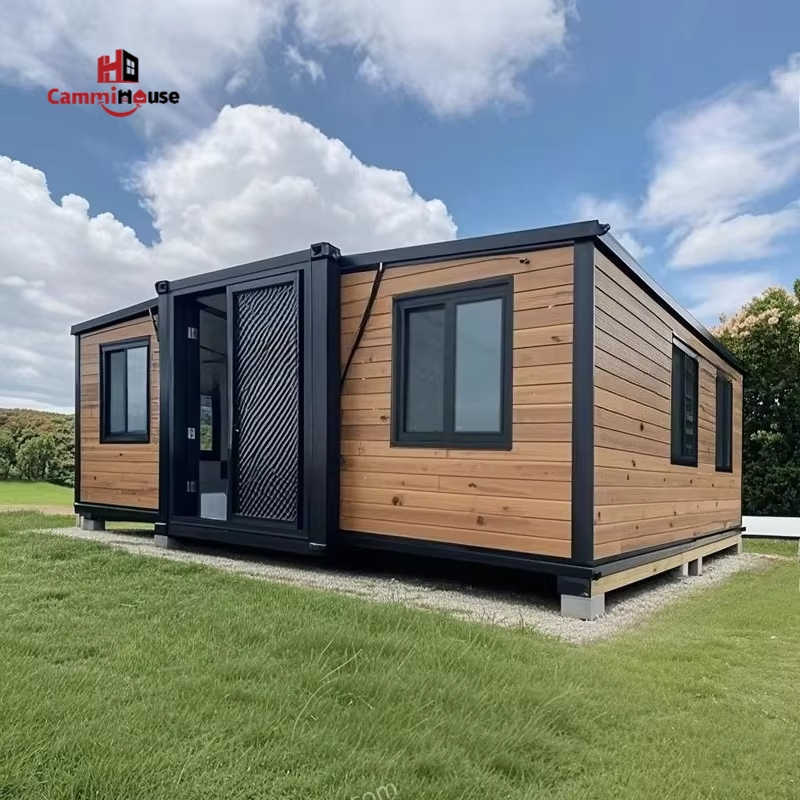
Living area for the money is where an expandable container house pulls ahead. Against a rigid 20ft container, it brings cost per square meter down by around 45%. In transit it stays a standard ISO 668 shipping footprint, roughly 14.8 m². Pull the side wings out on site and the usable floor opens to about 37 m².
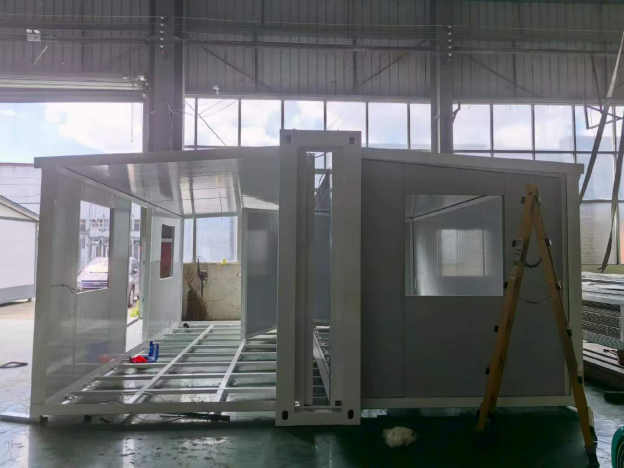
Folded Versus Unfolded Area
Worth walking through the math. A standard 20ft unit at $9,800 gives you around 15 m² of floor, working out to roughly $660 per m². An expandable unit priced near $13,500 opens to 37 m², and the cost drops to roughly $365 per m². More than double the room, without double the freight bill.
3. Insulation Adds $600 to $1,500
Insulation is not the line item to trim. Bare steel moves heat the way a frying pan does, so an uninsulated box is an oven in summer and a walk-in freezer in winter. Heating and cooling then eat most of the daily power budget. That is why any prefab container house worth the name leans on proper thermal barrier panels..
Panel Options
Two solid choices here. Rock wool panels at 50 mm add roughly $600 and bring excellent fire resistance plus sound dampening. Where the sun is brutal or winters drop below zero, 75 mm polyurethane (PU) foam runs about $1,500 and lifts thermal efficiency noticeably.
4. 20ft Eco-Solar Folding Container Removes Grid Costs
An off-grid solar package on a 20ft eco-solar folding container typically adds $3,000 to $6,000 and cuts the cord to the local grid. In sunny climates, the Middle East or the southwest desert, a 3 kW rooftop array easily produces around 13 kWh a day. That is enough to run a comfortable remote setup.
Middle East Off-Grid Use
Consider a remote field office near Riyadh. One 20ft solar folding unit with a 3 kW array and a 10 kWh lithium battery bank carried interior LED lighting, an inverter air conditioner, laptops, and a refrigerator, day and night, with no diesel generator ever hooked up.
5. A 12ft Mini Shipping Container Costs Least
Tight on space or budget, a 12ft mini shipping container runs $4,200 to $6,500 and gives you about 8.9 m² of functional room. Security guard shacks, gatehouses, ticket booths, single-desk site offices — that is where this size wins, and where a full 20ft container is simply too much bulk.
Mine Camp Use
For example, a mining contractor in Western Australia brought in eight 12ft units for perimeter security posts. Because each compact container only required four level concrete pad footings, the crew offloaded and placed all eight in a single day.
6. Freight and Installation Add 8% to 15%
Always budget beyond the factory gate: ocean freight, port handling, and site setup typically tack on an extra 8% to 15% to the ex-works price. The big advantage of an expandable unit is that it travels at standard 20ft container dimensions, so you never have to pay for costly oversize-load pilot cars or special permits.
Port and Trucking
Depending on how far your job site is from the arrival port, plan on roughly $600 to $1,200 per container for customs clearance, port handling fees, and flatbed trucking out to the location.
7. Prefab Container House Saves Build Time
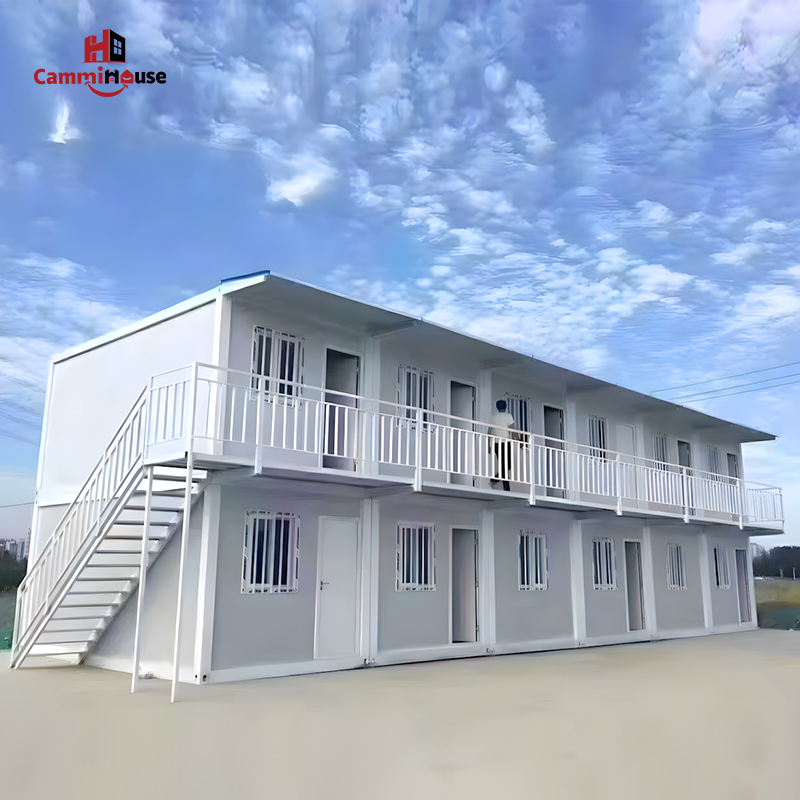
A prefab container build comes together in weeks rather than months because almost all the heavy construction happens under controlled factory conditions. Building off-site sidesteps weather delays, material shortages, and long waits for local sub-contractors, cutting your overall project timeline roughly in half.
Labor and Time
Because each unit leaves the factory with wiring, plumbing lines, flooring, and windows already finished, the on-site crew really only needs three to five days to bolt down the module, unfold the extensions, and hook up water and power.
8. Choose Manufacturers by Specifications
Polished render photos are not a spec sheet — and the spec sheet is what you buy from. Any manufacturer worth dealing with will put steel frame thickness, insulation core density, roof load ratings, and electrical certifications on paper before a deposit changes hands.
Four Documents to Request
Ask for four papers before a contract is signed or funds go out: the detailed technical spec sheet, factory electrical test reports, foundation load drawings, and warranty terms written clearly. A seller who stalls on handing them over is telling you something. Walk away.
FAQ
Q:How much does a container house for sale cost?
A:Ex-works, prices start around $4,200 for a compact 12ft booth and reach $35,000 for a roomy 40ft multi-bedroom layout. A standard 20ft unit usually lands near $9,800. Add 8% to 15% for shipping, customs clearance, and site placement, and a delivered 20ft home comes out between $10,600 and $11,300. What moves the final number most: square footage, insulation grade, and interior fixtures.
Q:Is an expandable container house cheaper per square meter?
A:Yes — roughly 45% cheaper. A fixed 20ft box at $9,800 gives you around 15 m² ($660/m²). An expandable unit at $13,500 opens to 37 m² ($365/m²). The trick is that the 37 m² home travels inside a standard 20ft container footprint, so the extra living space never shows up as extra cargo volume rates.
Q:Can a 20ft eco-solar folding container run off-grid?
A:Yes, provided the system is sized to your daily draw. A 3 kW rooftop array puts out around 13 kWh on a sunny day, which covers LED lights, a high-efficiency mini-split AC, laptop chargers, and a refrigerator. Add a 10 kWh lithium battery bank for the night, and the unit can run completely off-grid all year with no generator.
