
1. Why Speed Matters in Temporary Camp Construction
Out on a remote site, speed decides whether the job makes money. Modular units cut on-site labor hours by up to 50% compared with a conventional build — that's a big chunk of payroll you never spend. Mining, oil, disaster relief: those camps need shelter in days, not months..
Labor Shortages Push Contractors Toward Modular Units
Finding skilled trades is the hard part these days. There just aren't enough hands to go around, so more operators are going with factory-built units that need far fewer hands on site.
2. What Is a Folding Container House?
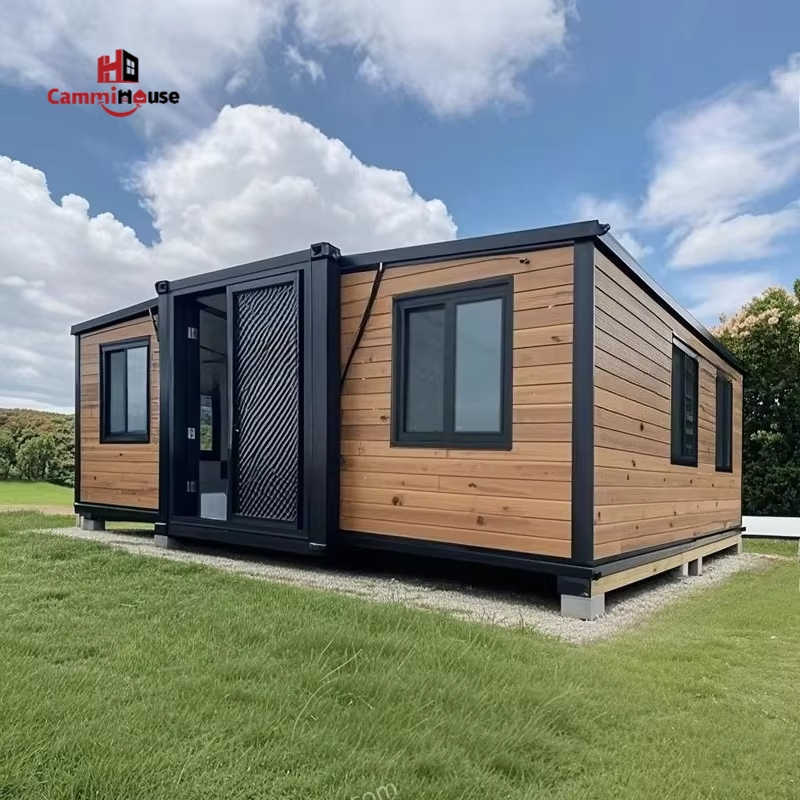
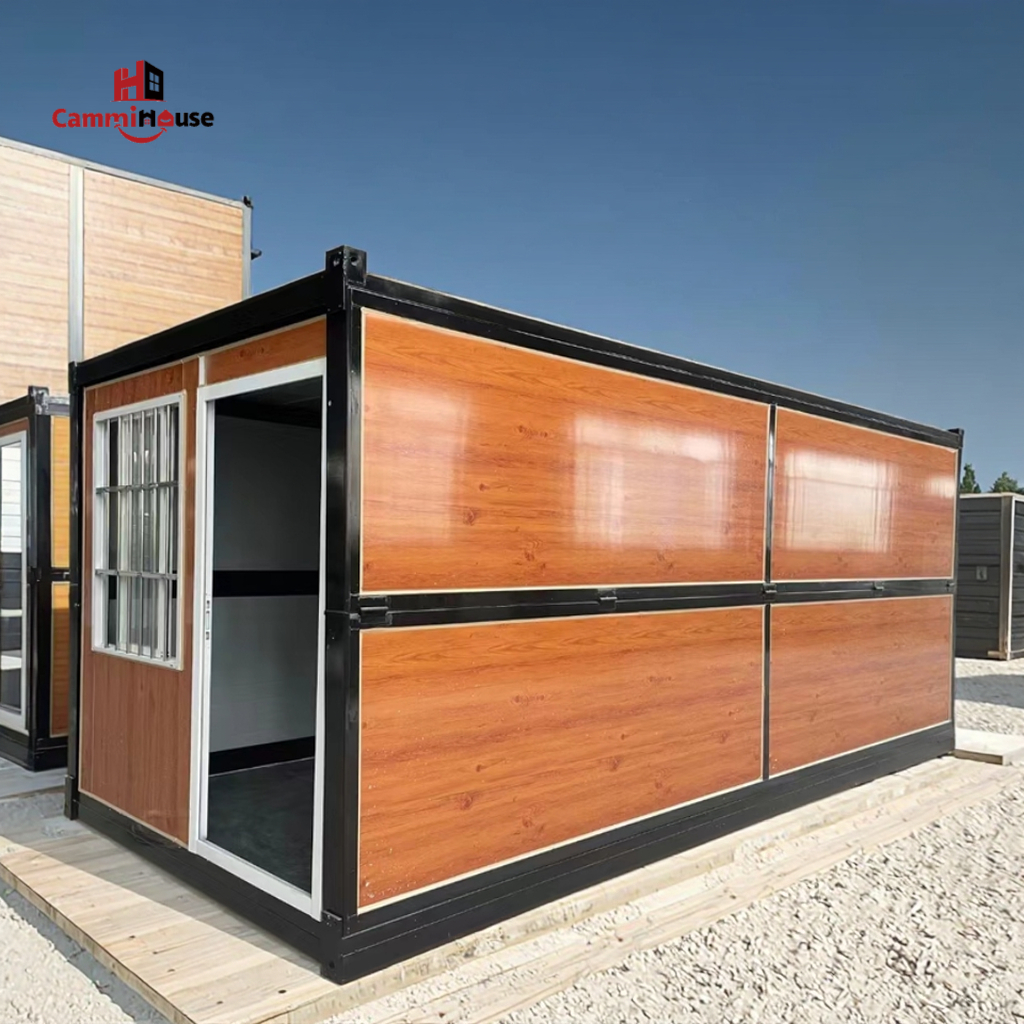
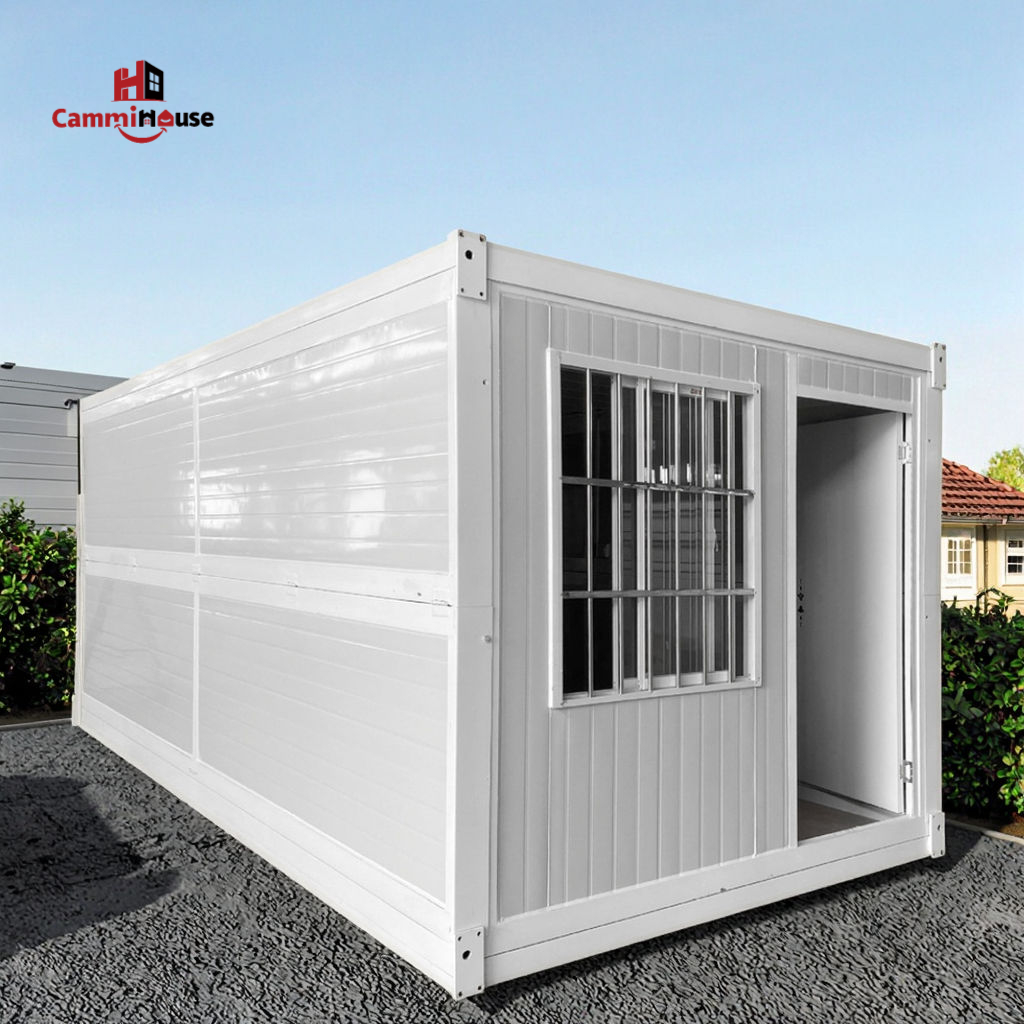
A folding container house is exactly what it sounds like: a steel box that ships flat, then opens into a livable room in a few hours. The welded kind gets put together piece by piece on site. This one doesn't — roof, walls and floor all sit on hinges, so the box just swings open.
Hinged Panels Replace Traditional Steel Framing
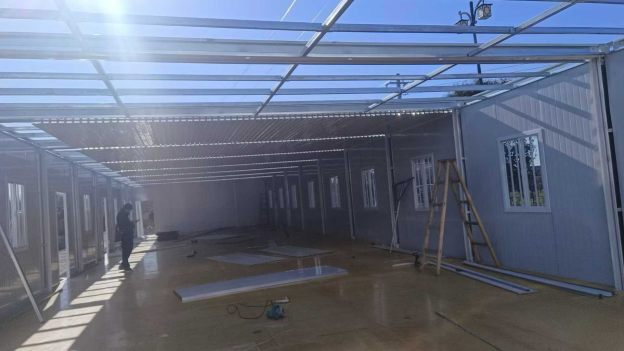
No framing to build on site — the hinges do that work for you. Setup is mostly tightening bolts and locking panels. Where a bolted modular unit takes 2-3 days, a single folding box is standing in under 4 hours. And those aren't our numbers — crews on mining sites have been reporting them since 2023.
3. 20ft Foldable Container House: Specifications and Use Cases
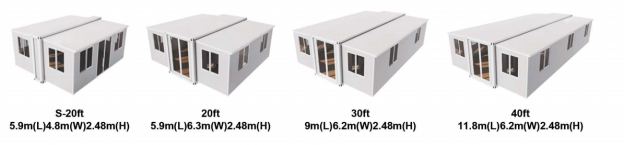
Opened up, a 20ft foldable container house runs about 6.0m x 2.4m x 2.6m — call it 14.4 square meters of floor. Enough for one worker's room or a small site office. Nothing fancy, but it does the job.
Ideal Footprint for Single-Room Worker Housing
Two of them fit on one flatbed. Ship a single 40ft container per trailer instead, and you're paying nearly 40% more per unit just to move the thing.
4. Container Dormitory Design for Large Workforces
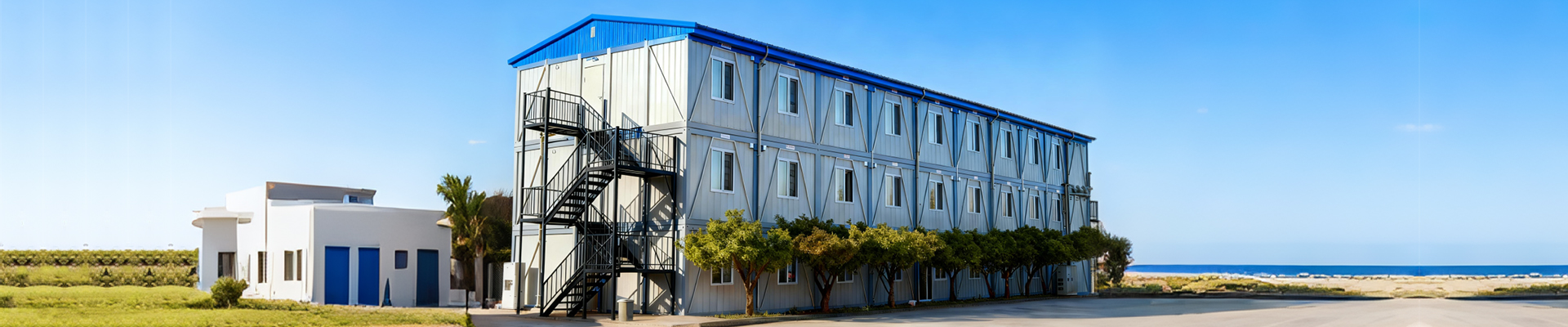
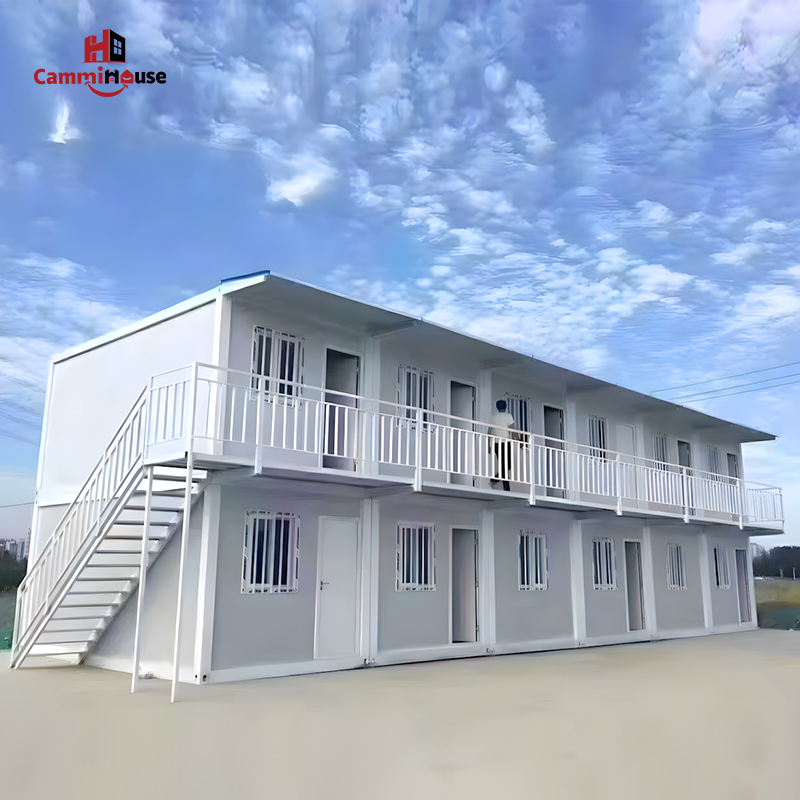
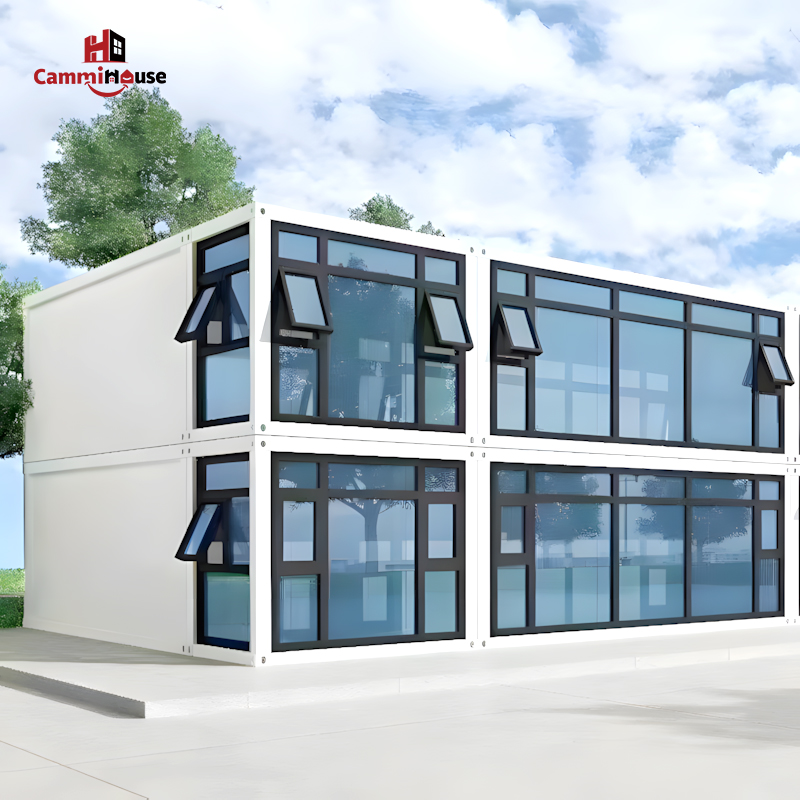
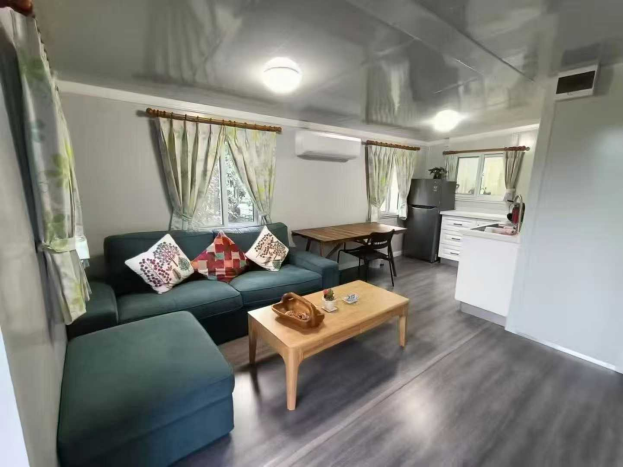
Need to house a big crew in a hurry? A container dormitory is basically folding units stacked two or three high — from 20 workers to 100-plus per cluster. Corridors and washrooms come as separate modules. Crew growing? Bolt another one on.
Stacking Configurations for Mining and Construction Camps
Out in Western Australia's mining camps and the job sites in Saudi Arabia, stacked blocks of 40-60 rooms are the usual sight. Everything sits around one central utility core, so the plumbing runs stay short. Short runs, lower cost.
5. Comparing Folding Units to Standard Container House Models
With a standard container house conversion, the work isn't done when it lands. You still have welding and interior fit-out ahead of you — figure another 5-10 days. Folding units skip nearly all of that.
Transport Efficiency and Cost Per Unit
Folded flat, a unit takes up about a quarter of the shipping volume of a pre-assembled container. Run the numbers on freight quotes and it comes to roughly 30% less per square meter.
6. 40ft Shipping Container Conversions for Extended Camps
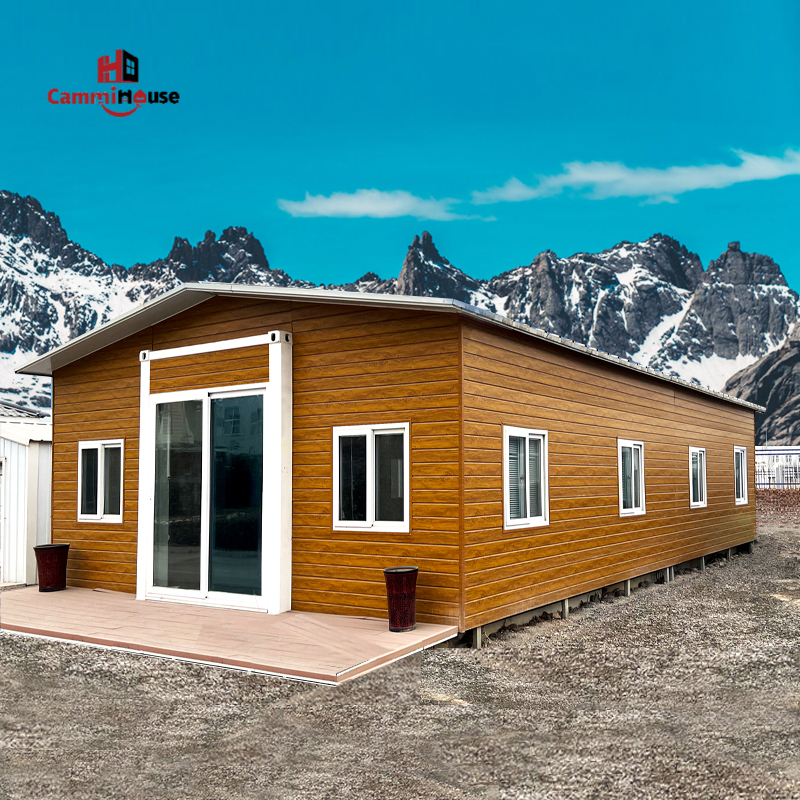
If your crew is staying a while, that's where a 40ft shipping container conversion earns its keep. Split one into 2-3 rooms off a shared hallway — that's how most site offices and clinics end up laid out.
Multi-Room Layouts for Offices and Living Quarters
Most operators end up doing a bit of both. 40ft units become the offices and clinics, and the smaller foldable blocks handle sleeping quarters. Cheaper in the end than forcing one size to do everything.
7. Real-World Deployment: Middle East and Mining Sector Cases
In 2024, we went out and talked to camp operators across the Gulf states and African mining sites. Average setup time: 6 hours per folding unit cluster. Welded alternatives? Roughly 3 days. Here's the part that surprised us: 78% said transport savings were the main reason they switched — ahead of setup speed, ahead of labor cost.
A 2024 Cammihouse Project Survey Findings
Here’s the part that surprised us: 78% said transport savings were the main reason they switched — ahead of setup speed, ahead of labor cost.
8. Choosing a Manufacturer for Foldable Container Housing
Before you order, know what you're actually buying: wall insulation thickness, steel gauge, corrosion coating. Cammihouse puts all of that in writing for every model — load ratings, wind resistance data, the works. If a supplier won't, that tells you something.
Key Specifications to Verify Before Ordering
Get the fire rating certificates too, plus the floor load capacity — 250 kg per square meter is the usual minimum for dormitories. And take a close look at the warranty on hinge and locking hardware. Those parts take a beating every single time the unit folds.
FAQ
Q1: How long does it take to set up a folding container house?
A: Most single units unfold and lock up in 2-4 hours with a small crew. A full camp cluster with utilities hooked up runs 1-2 days — welded container conversions take 3-10.
Q2: What size is a standard 20ft foldable container house?
A: About 6.0m x 2.4m x 2.6m once it’s fully open, so roughly 14.4 square meters inside. Enough for single-room housing or a small office.
Q3: Can 40ft shipping containers be used for dormitory housing?
A: Yes. Most people split a 40ft unit into 2-3 rooms off a shared corridor, then pair it with smaller folding units to build out a mixed-use container dormitory camp for a bigger crew.
Justin Mercer, Cammihouse Technical Team
