

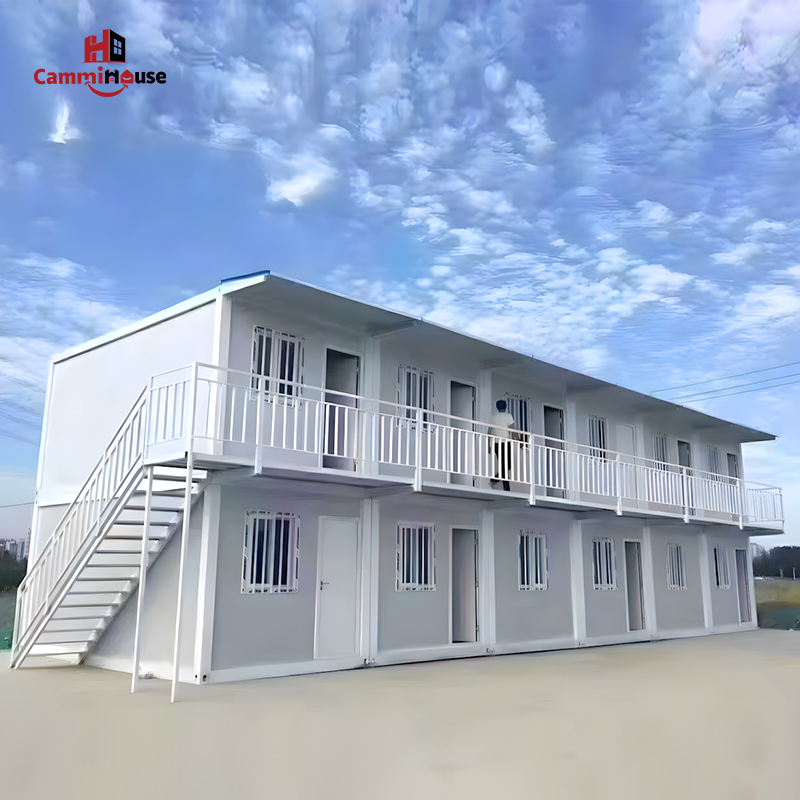
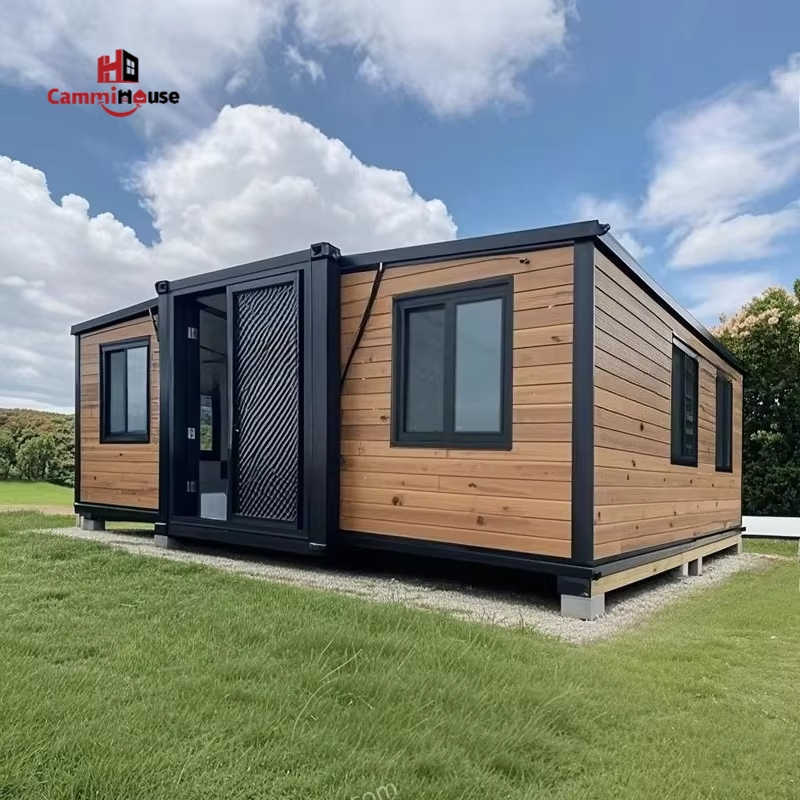
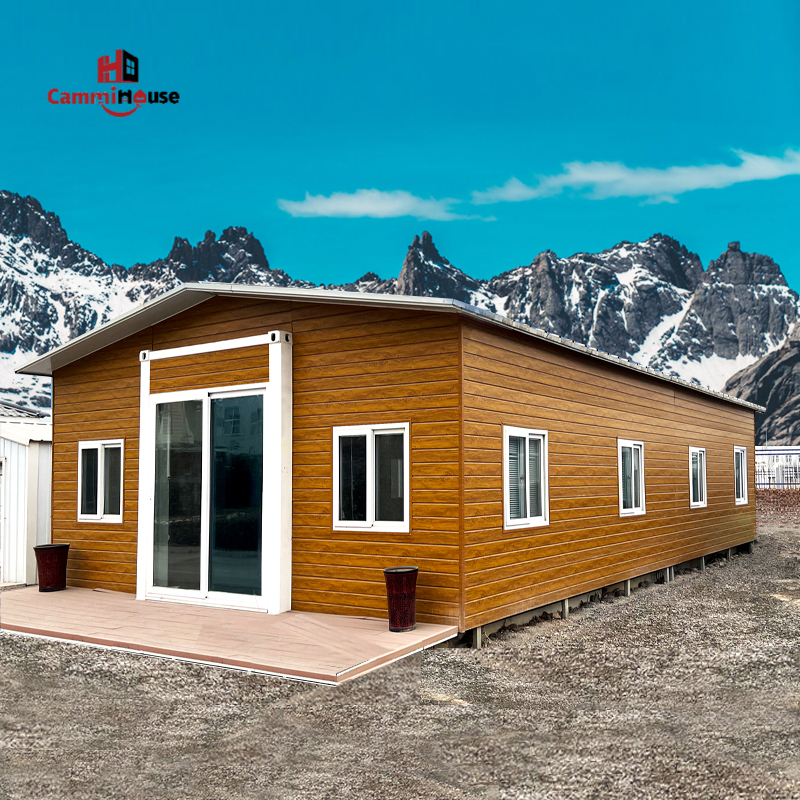
By Justin Mercer, Cammihouse Technical Team.
1. Yes, a 12ft Containers Home Works for One or Two People
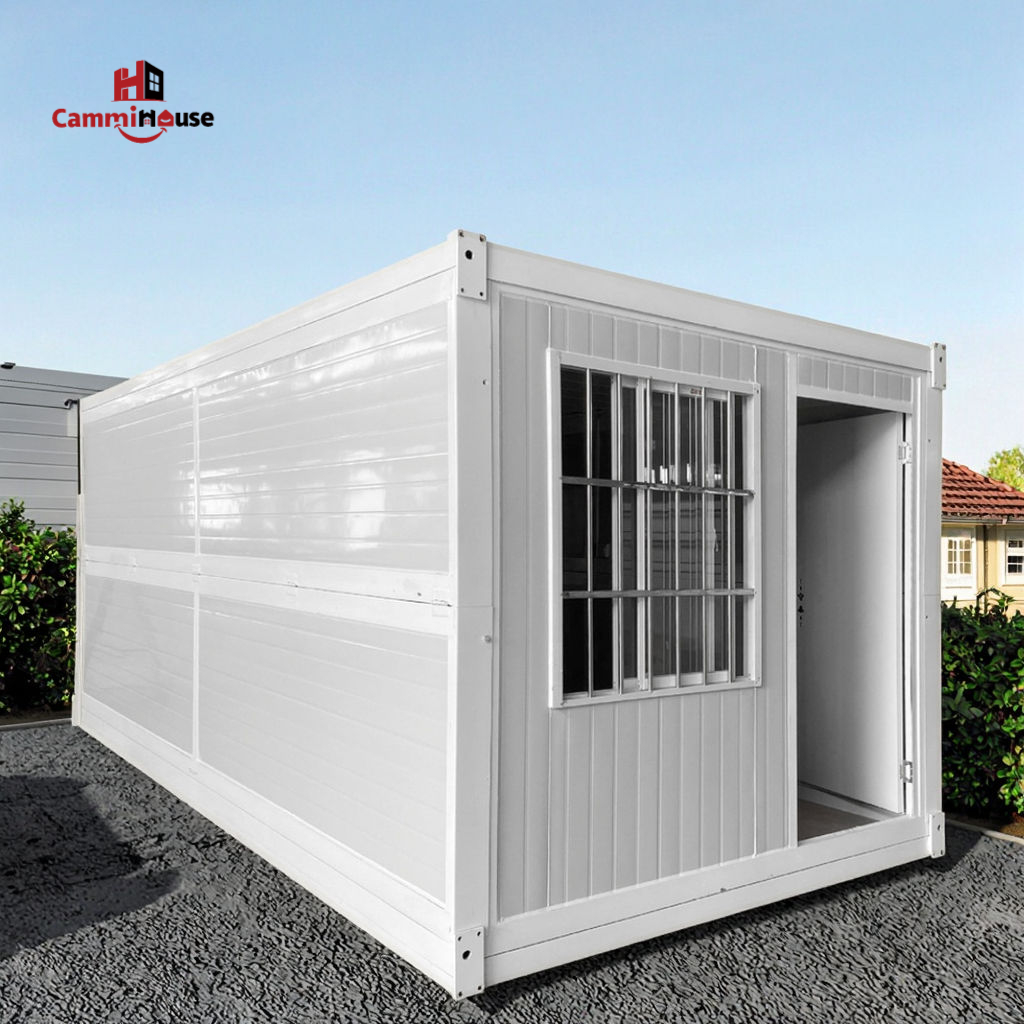
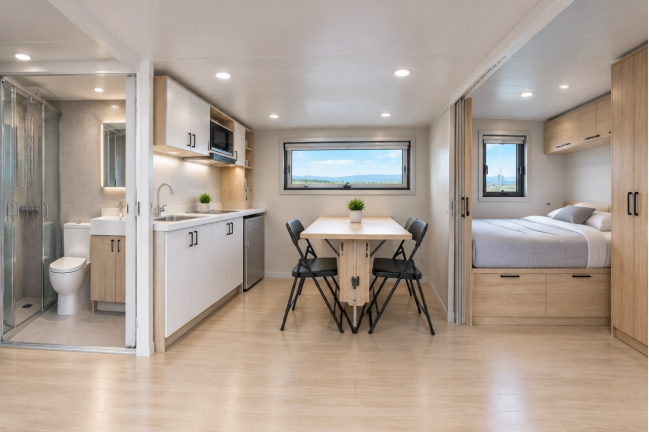
Can you actually live comfortably in a tiny 12-foot container? If you are a solo occupant or need a compact couples' retreat, absolutely. A well-built 12ft Containers Home gives you roughly 8.9 m² (96 sq ft) of functional interior space — which is plenty of room for a full bed, an efficient kitchenette counter, and a private enclosed wet-room bathroom.
Layout Planning for Small Floor Plans
Living small comes down to smart spatial engineering. Clever container house design takes advantage of vertical wall space with floating shelves, overhead cubbies, and fold-down dining tables. Because a 12-foot unit leaves about 2.2 meters of clear interior width, every piece of furniture must pull its weight.
2. Insulation Solves the Heat Problem
Bare corrugated steel in direct sunlight turns into an oven — that part surprises no one. Proper mineral insulation is what changes the outcome. Bare steel conducts heat at roughly 50 W/m·K. Dense rock wool, at a thermal conductivity of just 0.035 to 0.040 W/m·K under EN 13162, holds that heat outside instead.
Wall and Roof Build-Up
Wall cores are not the place to save money. Any quality prefab container house carries 50 to 75 mm of continuous rock wool through the side walls and the roof ceiling. Rock wool also holds a certified Euroclass A1 non-combustible fire rating under EN 13501-1, and that rating is not optional — industrial camps and remote mining sites need it.
3. An Air-Conditioned Unit Makes Hot Regions Livable
A 12-foot cabin stays cool all day on thick insulation and a standard 9,000 BTU air-conditioned mini-split. Small off-grid spaces put heating and cooling at the top of daily power use. Cooling capacity sized to insulation thickness is what keeps generator run-time down.
Case: Middle East Summers
Afternoon temperatures on desert sites in Kuwait and Saudi Arabia push well past 45 °C. Each 12-foot cabin gets a 9,000 BTU split air-conditioned unit mounted on its reinforced end wall, alongside 75 mm rock wool insulation; indoor living conditions settle at a comfortable 25 °C.
4. A Detachable Container Cuts Installation Time
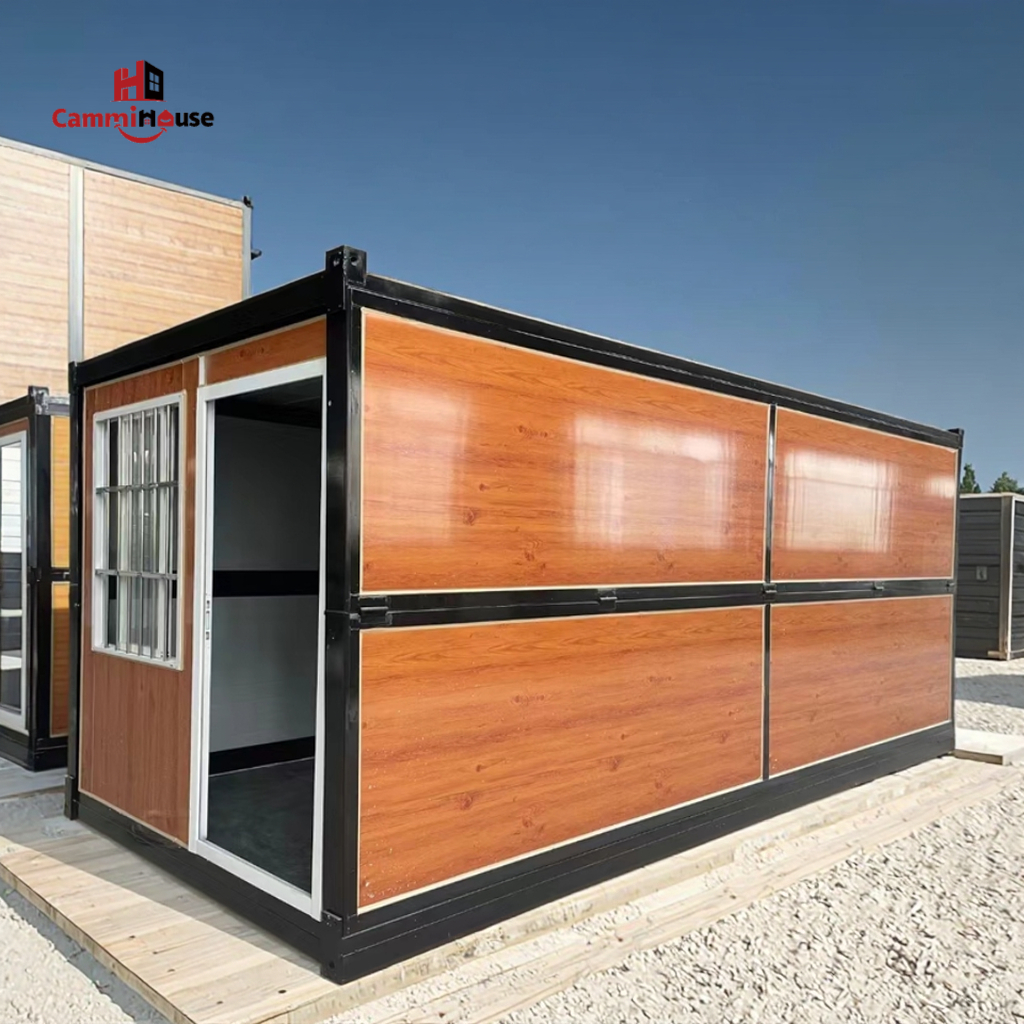
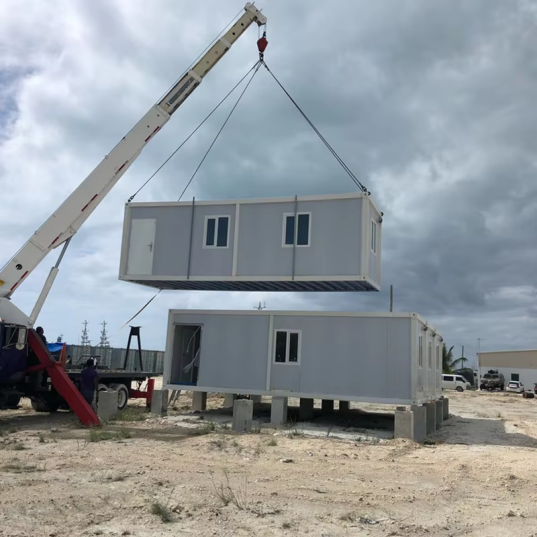
Speed explains the appeal for industrial operators. A detachable container ships flat-packed, top to bottom, and bolts together in a few hours. Structural welding and interior utility rough-ins are done inside a controlled factory, so weather stays out of the schedule and the site deployment loses weeks.
Mining and Construction Site Use
On remote mining projects, a four-man ground crew with a single forklift assembles a detachable module in an afternoon, then breaks it down and relocates it when work moves to a new pit. Freight savings come with it: several flat-pack packages ride in one 40ft shipping container, far cheaper across the ocean than bulky pre-assembled cabins.
5. Steel Frames Meet Structural Demands
A modular unit starts out with real structural strength. Its framing follows the same principles ISO 1496-1 uses to test freight containers, where heavy-gauge corner posts are built to carry multi-tier stacking loads. A single-story living cabin puts little of that under strain. The part that deserves attention is the openings.
Cutting Windows and Doors Safely
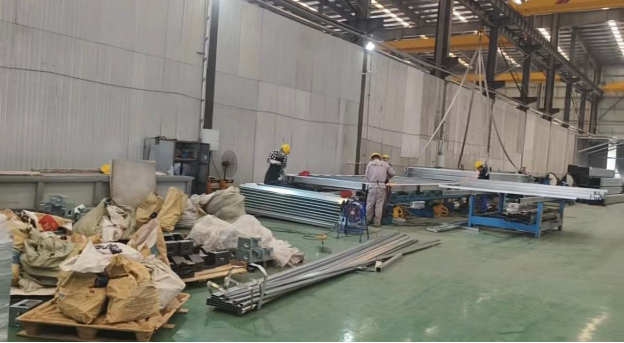
Cut wall steel away for a picture window or an entry door and the corrugated shell loses strength. A reputable container manufacturer welds heavy-duty rectangular steel tube framing around each cut-out, which brings the shear strength and torsional stiffness of the removed panel back to full.
6. Utilities Fit Inside Compact Walls
Three connections are all a site needs to make — main electrical hookup, fresh water inlet, waste drain line — and a practical container layout routes them into a single central hub. That leaves under a day of plumbing and electrical work at the site itself.
Pre-Installed Power and Plumbing
Turnkey units arrive with the wiring already run: fire-resistant electrical conduit, a 30 L compact water heater, a pre-wired 3 kW breaker distribution board. All three are factory-installed. Set the box on your foundation pads, and a local electrician ties the main distribution board into utility power or an on-site generator.
7. Choose a Verified Supplier
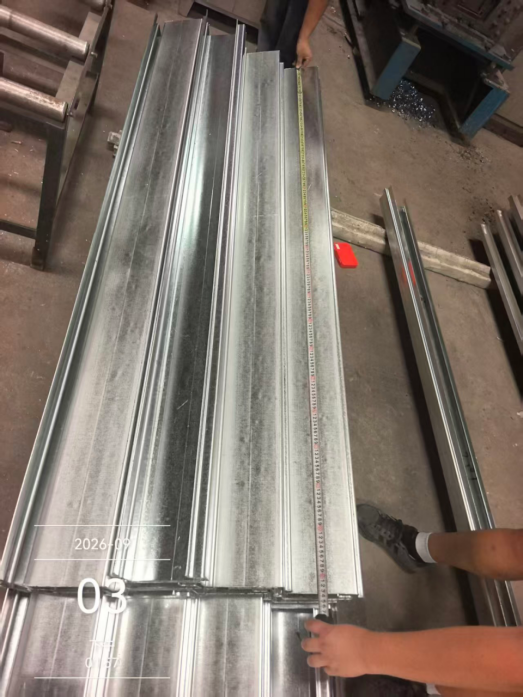
Before sending over any deposit, demand three essential engineering documents from your container house supplier: detailed cross-sectional wall build-up drawings, factory weld inspection logs, and certified insulation fire-test reports. A trustworthy, qualified container house manufacturer will gladly provide these technical sheets upfront before you ever commit to an order.
What Cammihouse Documents
Real field standards, taken from a 2024 Cammihouse project survey covering 40 commercial camp deliveries: every 12-foot accommodation unit left the factory with 75 mm rock wool insulation, a pre-installed 9,000 BTU air-conditioned unit, and photographic weld inspection records verified for each corner post.
8. Know the Limits Before You Buy
Go in with realistic expectations. A 12-foot container makes an excellent secondary guest suite, an off-grid glamping cabin, or a temporary construction bunkhouse. Full-time permanent residence is the harder path, and it starts with local municipal zoning rules.
Permits and Minimum Sizes
IRC 2021 Appendix Q does cover tiny dwellings under 400 sq ft across the United States. Counties and city councils are the catch: many enforce their own minimum square-footage thresholds. Talk to your local building department early. Then make sure the factory supplier can hand over stamped engineering drawings that local building inspectors will accept.
FAQ
Q1: Is a 12ft container home comfortable in summer?
A: Yes, if you build it with 50 to 75 mm of dense rock wool insulation and install a standard 9,000 BTU air-conditioned unit. The two together hold an indoor climate around 25 °C while outside temperatures climb past 40 °C. Uninsulated steel absorbs radiant heat within minutes, which is why thermal insulation comes first in any build; reflective white roof coatings add extra cooling margin in desert climates.
Q2: Can a detachable container be moved repeatedly?
A: Yes, and the design assumes it. Detachable units carry heavy-duty bolted corner joints for exactly this: crews take them down, flat-pack them, and put them back together at another site in a few hours. Mining and infrastructure camps move these cabins from project to project as a matter of routine. Two checks during reassembly — bolt torque, and any worn rubber weather gaskets — keep the cabin airtight and structurally rigid.
Q3: How do I choose a container house supplier?
A: Always demand hard engineering evidence before placing an order: request cross-sectional wall drawings, factory weld inspection photos, certified insulation fire test data, and verifiable project references. A dependable manufacturer will supply these details upfront and demonstrate completed projects in demanding desert, coastal, or mining environments. Always lock in written warranty coverage, lead times, and shipping terms before paying a deposit.
